Passiflora setacea
Passiflora setacea · Accepted scientific name
Scientific literature: Very Sparse (1 studies) · ★☆☆☆☆
Passiflora setacea, scientifically known as Passiflora setacea, is a captivating climbing vine renowned for its striking, exotic blooms. Native to tropical regions, this species belongs to the passionflower family. Beyond its ornamental beauty, it holds significant ethnobotanical interest, often studied for its potential therapeutic and sedative medicinal properties.
- Family
- Passifloraceae
- Native range
- Southern America
- Parts used
- Not available
- Common names
- Not available
- Scientific synonyms
- Passiflora Sururuca · Cieca Sururuca
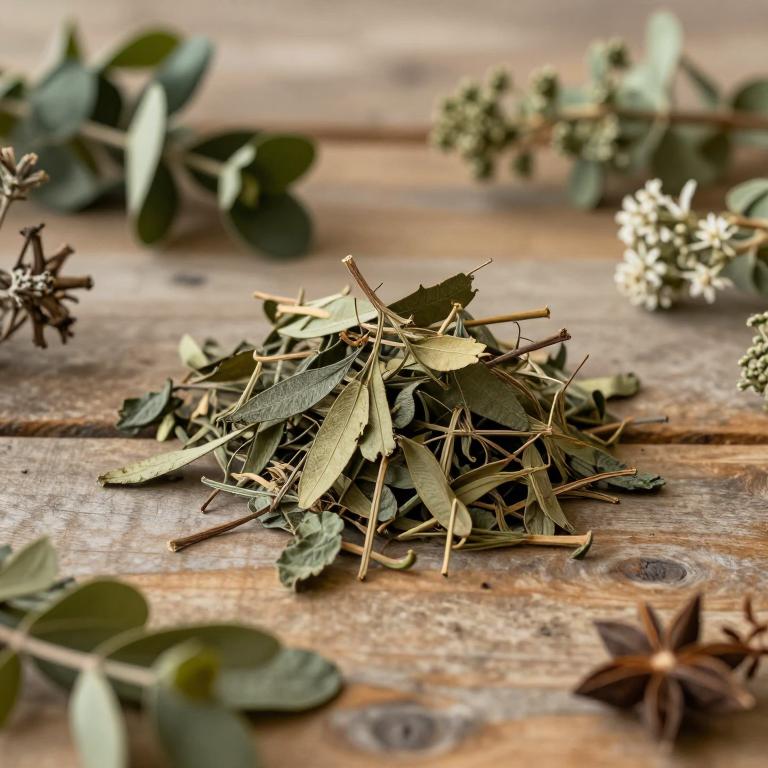
Names and Synonyms
Scientific Names
Accepted name
Passiflora setaceaSynonyms
- Passiflora sururuca
- Cieca sururuca
Sources: Wikidata, Catalogue of Life
Taxonomical Classification
This plant belongs to the kingdom Plantae and the phylum Streptophyta, falling under the class Equisetopsida and subclass Magnoliidae. Within the order Malpighiales, it is classified under the family Passifloraceae. Finally, it is identified by its specific genus, Passiflora.
| Rank | Classification |
|---|---|
| Kingdom | Plantae |
| Phylum | Streptophyta |
| Class | Equisetopsida |
| Subclass | Magnoliidae |
| Order | Malpighiales |
| Family | Passifloraceae |
| Genus | Passiflora |
Sources: The World Checklist of Vascular Plants (WCVP)
Distribution
This plant, known scientifically as Passiflora setacea, exhibits a specific range across the South American landscape. Its natural habitat is primarily concentrated within the borders of Brazil. Within this country, the species can be found throughout the West-Central region. Additionally, its distribution extends into the diverse ecosystems of the Northeast. Finally, the plant is also documented growing in the Southeast part of Brazil.
| Region | Area |
|---|---|
| Brazil | Brazil West-Central |
| Brazil | Brazil Northeast |
| Brazil | Brazil Southeast |
Sources: The World Checklist of Vascular Plants (WCVP)
Botanical Identification
Ecology
The ecology of Passiflora setacea is characterized by its adaptability to diverse environments, ranging from natural ecosystems to human-altered landscapes. It is commonly found inhabiting Cerrado (latu sensu) formations, where it integrates into the complex shrublands and savannas, as well as in Restinga ecosystems, where it thrives in the sandy, coastal scrub habitats. Furthermore, the species demonstrates significant resilience by colonizing Áreas Antrópicas (anthropic areas), allowing it to persist in disturbed sites and landscapes modified by human activity.
- Habitat :
- Área Antrópica, Cerrado (lato sensu), Restinga
Life history
The life history of Passiflora setacea is characterized by its nature as a perennial plant, allowing it to persist through multiple growing seasons. As a climbing vine, its developmental cycle involves establishing a robust root system and a network of tendrils that enable it to scale surrounding vegetation to reach sunlight. Throughout its life, the plant undergoes seasonal cycles of vegetative growth, where it produces lush green foliage, followed by periods of reproductive maturity. During its flowering stage, it produces distinctive, complex blooms that are essential for its sexual reproduction, often relying on specific pollinators to facilitate the transition from flower to fruit. Following successful pollination, the plant develops seed-bearing fruits, ensuring the continuation of its lineage through seed dispersal before entering subsequent cycles of growth.
- Lifecycle :
- perennial
Morphology
The morphology of Passiflora setacea is characterized by its growth habit as a non-woody vine, functioning as an obligatory climber that utilizes specialized structures to ascend toward light sources. Rather than being an epiphyte or a parasite, this species is an independent organism that maintains a terrestrial existence, thriving in soil-based environments rather than aquatic or semiaquatic habitats. As a liana-like vine, it lacks self-supporting woody tissue, instead relying on external structures for stability as it climbs through its ecosystem.
- Aquatic :
- terrestrial
- Climber :
- vine
- Climber :
- obligatory
- Epiphyte :
- terrestrial
- Parasite :
- independent
- Woodiness :
- non-woody
Physiology
The physiology of Passiflora setacea is characterized by a complex metabolic framework adapted to its climbing life habit, where it relies on specialized tendrils for structural support to optimize light interception for photosynthesis. Its metabolic processes are driven by C3 photosynthetic pathways, facilitating the conversion of light energy into chemical energy to support rapid vegetative growth and the development of intricate floral structures. In terms of nutrient acquisition, the plant functions through an absorptive root system designed to uptake minerals and water from the soil; however, it is not a nitrogen fixer, as it lacks the symbiotic relationship with diazotrophic bacteria (such as Rhizobium) required to convert atmospheric nitrogen into bioavailable forms. Consequently, its nitrogen assimilation is entirely dependent on the availability of nitrates and ammonium within the substrate. The plant also exhibits specific secondary metabolite production, synthesizing various alkaloids and flavonoids as part of its physiological defense mechanisms against herbivory and environmental stressors.
- Nitrogen fixer :
- no
Sources: Global Inventory of Floras and Traits (GIFT)
Chemicals
Passiflora setacea has 1 reported phytochemicals identified across 0 scientific publications and several other databases. The most consistently reported chemicals include Isovitexin.
| Chemical | Supporting sources | Consensus |
|---|---|---|
| Isovitexin | 1 supporting sources | ★☆☆☆☆ |
Isovitexin
- Food research international (Ottawa, Ont.)