Paraphlomis chinensis
Paraphlomis chinensis · Accepted scientific name
Scientific literature: Very Sparse (0 studies) · ★☆☆☆☆
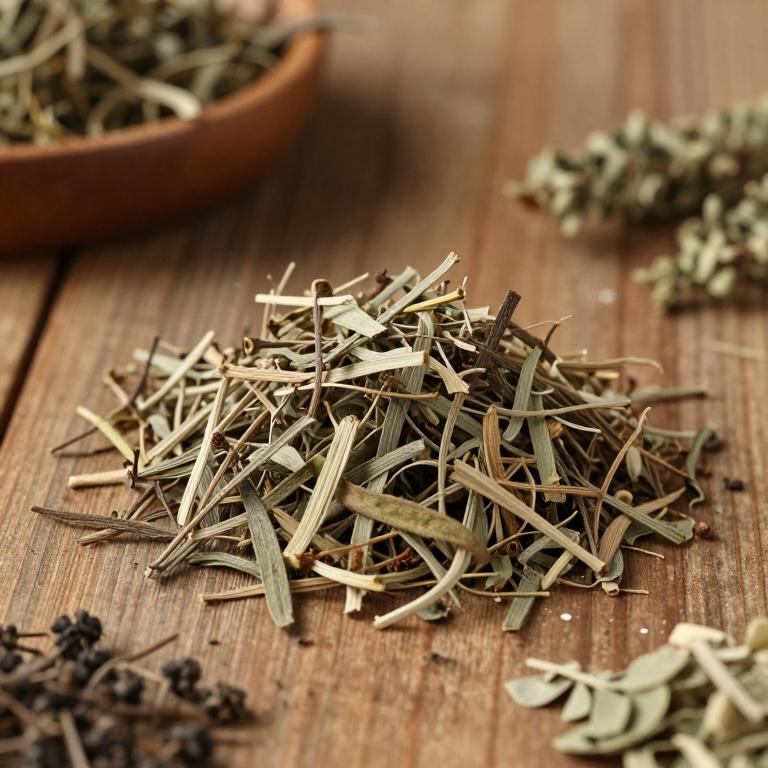
Paraphlomis chinensis is a significant medicinal herb often utilized in traditional healing practices. The plant is primarily processed and consumed in the form of its herba to harness its therapeutic properties. Scientific studies have highlighted the presence of key bioactive compounds, most notably verbascoside, within its structure. This chemical component is believed to contribute to the plant's diverse pharmacological activities. Understanding its chemical profile is essential for exploring its full potential in modern herbal medicine.
- Synonyms
- Matsumurella Chinensis Var. Subglabra · Matsumurella Chinensis Var. Robusta · 5 more
- Common names
- Not available
- Family
- Lamiaceae
- Distribution
- Not available
- Plant Parts
- Not available
Classification
Synonyms
Paraphlomis chinensis is a botanical species that has been classified under several different scientific names throughout history. It is widely recognized as being synonymous with Galeobdolon chinense, including its specific varieties var. robustum and var. subglabrum. Taxonomic literature also links this plant to the name Lamium chinense, reflecting different perspectives on its genus. Furthermore, the species has previously been identified by the synonym Matsumurella chinensis. Understanding these various nomenclatural relationships is essential for accurate botanical identification and study.
Sources: The World Checklist of Vascular Plants (WCVP)
Taxonomy
Paraphlomis chinensis is a unique botanical specimen belonging to the kingdom Plantae. Within this vast kingdom, the plant is classified under the class Equisetopsida. It further descends through the order Lamiales, showcasing its specific evolutionary lineage. This species is a distinguished member of the genus Paraphlomis. Ultimately, it finds its place within the diverse family Lamiaceae.
| Rank | Classification |
|---|---|
| Kingdom | Plantae |
| Phylum | Streptophyta |
| Class | Equisetopsida |
| Subclass | Magnoliidae |
| Order | Lamiales |
| Family | Lamiaceae |
| Genus | Paraphlomis |
Sources: The World Checklist of Vascular Plants (WCVP)
Distribution
Geographic Regions
Paraphlomis chinensis is a plant species primarily distributed across the temperate regions of Asia. Its presence is notably widespread throughout China, particularly within the Southeast territories. The species also maintains a significant range across Eastern Asia, including the islands of Japan. Furthermore, it can be found growing naturally within the diverse landscapes of Taiwan. This broad geographic footprint highlights the plant's adaptability to various temperate environments across the continent.
Sources: The World Checklist of Vascular Plants (WCVP)
Identification
Biological Activities
Compounds
Paraphlomis chinensis is a plant of significant pharmacological interest due to its chemical composition. Research indicates that this species contains the bioactive compound verbascoside. To quantify this substance, scientists have developed a highly sensitive and reliable analytical method using RP-HPLC. By utilizing a Kromasil C18 column and a specific acetonitrile-based mobile phase, researchers can accurately measure the presence of the compound. This precise detection method ensures high recovery rates, making it an effective tool for studying the herbal properties of the plant.
Conditions
Preparations
Paraphlomis chinensis is prepared as herba according to specific botanical classifications. This herbal preparation is central to the medicinal identity of the plant species. Although the provided abstract focuses on Galeobdolon chinense, the relationship for Paraphlomis chinensis remains established as a herba. Such preparations are often analyzed using specialized techniques like RP-HPLC to ensure quality. Consequently, the herba form serves as the primary material for chemical determination and study.