Paphiopedilum
Paphiopedilum · Accepted scientific name
Scientific literature: Very Sparse (0 studies) · ★☆☆☆☆
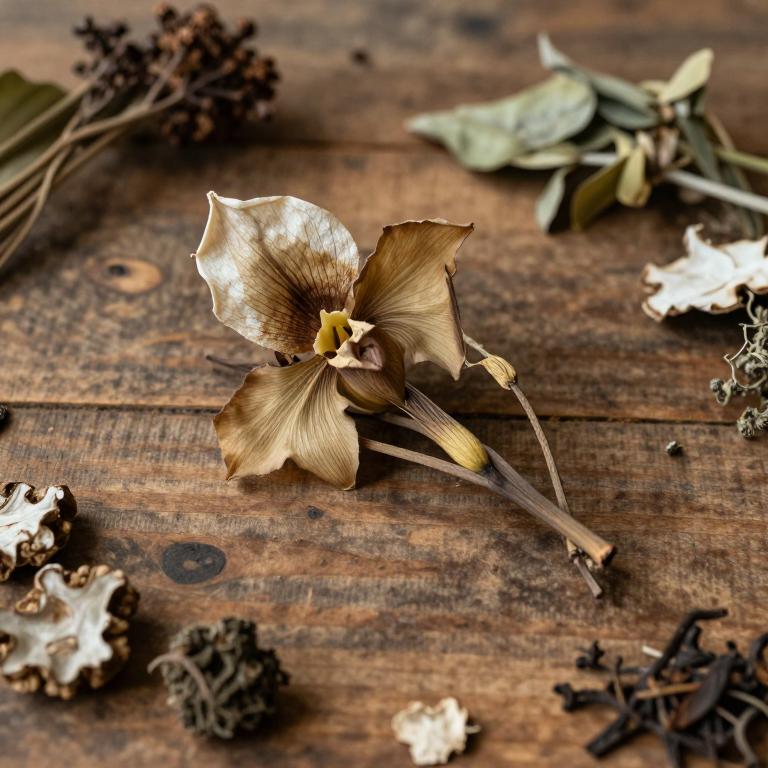
Paphiopedilum, commonly known as the lady slipper orchid, is a captivating genus celebrated for its unique and exotic floral structures. These plants are often distinguished by their lush, arching foliage that provides a striking visual foundation for their blooms. Cultivators frequently pay close attention to the health of the leaf base, as this area serves as a critical junction for nutrient transport and stability. Understanding the specific needs of the leaves is essential for anyone looking to master the art of growing these sophisticated orchids. By focusing on the structural integrity of the plant, enthusiasts can ensure a thriving display of sculptural beauty.
- Synonyms
- Cordula · Menephora · 1 more
- Common names
- Not available
- Family
- Orchidaceae
- Distribution
- Not available
- Plant Parts
- Leaf
Classification
Common Names
Paphiopedilum is a fascinating genus of orchids that is widely recognized by several distinct names throughout the horticultural world. Often referred to by the shortened terms Paph or Paphs, these plants are beloved by collectors for their unique aesthetic. In many regions, they are known as Asian Slipper Orchids, highlighting their exotic origins and striking shapes. They are also frequently called Venus Slippers, a nod to the pouch-like structure of their flowers. Furthermore, in certain cultures, these beautiful blooms are affectionately known as Sapatinhos.
Sources: Catalogue of Life (COL)
Synonyms
Paphiopedilum is a diverse genus of orchids that has undergone various taxonomic revisions over the years. Throughout botanical history, several different names have been used to describe species within this group. For instance, the names Cordula and Menephora have both served as recognized synonyms for members of the genus. Additionally, the term Stimegas has also been classified as a synonym in past scientific literature. Understanding these shifting relationships is essential for collectors and researchers navigating the complex lineage of these plants.
Sources: The World Checklist of Vascular Plants (WCVP)
Taxonomy
Paphiopedilum belongs to the vast kingdom Plantae, representing a diverse group of multicellular organisms. Within this kingdom, it is classified under the class Equisetopsida, showcasing its fundamental botanical structure. The plant is further organized into the order Asparagales, a group known for its unique evolutionary traits. It sits specifically within the family Orchidaceae, a lineage celebrated for its complex and beautiful flowers. Ultimately, it is defined by its own distinct genus, Paphiopedilum, which characterizes its unique identity among other flora.
| Rank | Classification |
|---|---|
| Kingdom | Plantae |
| Phylum | Streptophyta |
| Class | Equisetopsida |
| Subclass | Magnoliidae |
| Order | Asparagales |
| Family | Orchidaceae |
| Genus | Paphiopedilum |
Sources: The World Checklist of Vascular Plants (WCVP)
Distribution
Geographic Regions
Paphiopedilum orchids exhibit a diverse geographic range that spans across various regions of Asia. Within the temperate zones of China, these plants can be found in South-Central areas, the Southeast, Hainan, and the high altitudes of Tibet. Their habitat also extends into the tropical climates of the Indian Subcontinent, specifically within the Assam region. This wide distribution highlights the adaptability of the genus to both temperate and tropical environments. Consequently, understanding these specific localities is essential for studying their ecological needs.
Sources: The World Checklist of Vascular Plants (WCVP)
Identification
Biological Activities
Compounds
Conditions
Preparations
Paphiopedilum is prepared as leaf base to facilitate the isolation of high-yielding viable protoplasts. This specific source material is recommended because it serves as a superior tissue for protoplast extraction compared to previous methods. By utilizing the leaf base of Paphiopedilum, researchers can obtain approximately 1.10 × 10⁷ protoplasts per gram of fresh weight. This preparation method offers marked advantages for developing efficient transient expression systems in orchids. Such specialized tissue preparation is essential for advancing cellular and molecular studies in this genus.
Parts used
Paphiopedilum is a widely cultivated orchid that benefits significantly from advanced botanical research techniques. Recent studies have focused on optimizing protoplast isolation, specifically utilizing the leaf as a vital source material for cellular analysis. By targeting the leaf base, researchers have successfully isolated high yields of viable protoplasts from this genus. This method provides a highly efficient platform for studying the molecular biology of various orchid species. Ultimately, such breakthroughs facilitate deeper genetic understanding and improved cultivation strategies for important monocot crops.