Papaver
Papaver · Accepted scientific name
Scientific literature: Very Sparse (0 studies) · ★☆☆☆☆
Papaver is a diverse genus of flowering plants known for their striking blooms and significant pharmacological importance. These plants are highly valued in medicine due to the potent alkaloids, such as morphine and codeine, that they produce. Every part of the plant serves a purpose, from the sturdy stem to the nutrient-rich seeds. Even the leaves can be utilized in various botanical applications depending on the specific species. Understanding the unique chemical makeup of Papaver is essential for both botany and pharmaceutical science.
- Synonyms
- Parameconopsis · Cerastites · 4 more
- Common names
- Not available
- Family
- Papaveraceae
- Distribution
- Not available
- Plant Parts
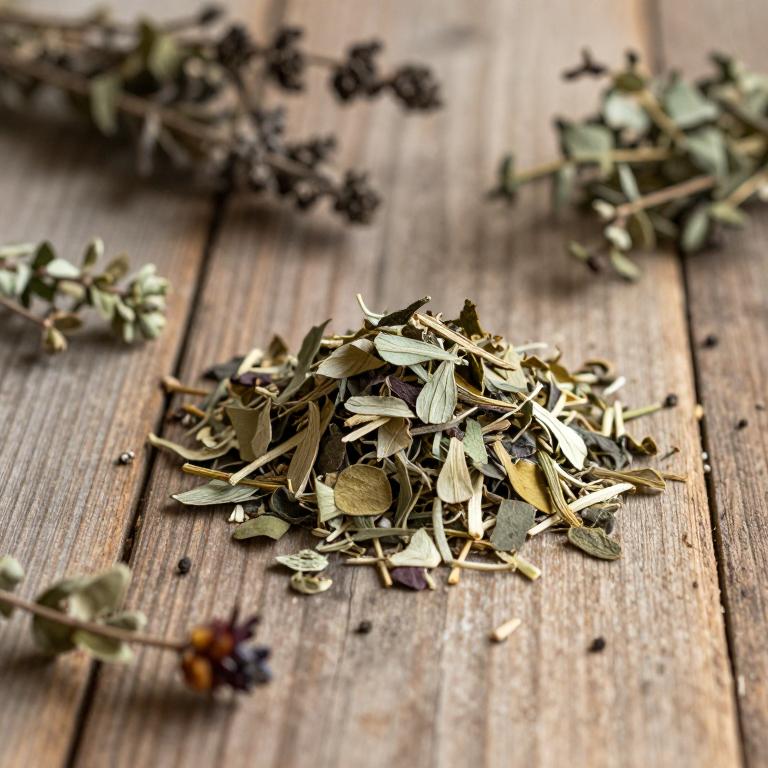
- Leaf · Seed
Classification
Common Names
Papaver is a diverse genus of plants recognized by many different names across various cultures and languages. In some regions, these striking blooms are affectionately referred to as Adormideras or Aguona. They are also widely known by the singular or plural terms Amapola and Amapolas in many Spanish-speaking communities. Furthermore, the name Gelincik is used to identify these flowers in other parts of the world. This variety of common names highlights the widespread global presence and cultural significance of the Papaver species.
Sources: Catalogue of Life (COL)
Synonyms
Papaver is a diverse genus that has historically been associated with several different botanical classifications. Throughout taxonomic history, various groups have been recognized as synonyms, including the names Afropapaver and Calomecon. The genus also shares close nomenclatural ties with Cerastites and Closterandra. Furthermore, the classification of Parameconopsis has frequently been linked to this complex group of flowering plants. Understanding these shifting relationships is essential for anyone studying the evolving lineage of these poppies.
Sources: The World Checklist of Vascular Plants (WCVP)
Taxonomy
Papaver belongs to the vast kingdom Plantae, representing a diverse group of multicellular organisms. Within this kingdom, the plant is classified under the class Equisetopsida. Its taxonomic journey continues through the order Ranunculales, which connects it to a specific lineage of flowering plants. Further refinement places it within the family Papaveraceae, a group known for its distinct botanical characteristics. Ultimately, this lineage culminates in the genus Papaver, which defines the specific identity of these well-known flowers.
| Rank | Classification |
|---|---|
| Kingdom | Plantae |
| Phylum | Streptophyta |
| Class | Equisetopsida |
| Subclass | Magnoliidae |
| Order | Ranunculales |
| Family | Papaveraceae |
| Genus | Papaver |
Sources: The World Checklist of Vascular Plants (WCVP)
Distribution
Geographic Regions
Papaver species exhibit a diverse and widespread geographical distribution across several key regions. These plants are found extensively throughout Africa, with specific populations documented in Northeast Tropical Africa and Djibouti. Their presence extends into the Macaronesia archipelago, encompassing the Azores, Madeira, and the Canary Islands. Additionally, these hardy plants can be located within the unique environments of Cape Verde. This broad range highlights the remarkable adaptability of the genus across varied African and Atlantic landscapes.
Sources: The World Checklist of Vascular Plants (WCVP)
Identification
Biological Activities
Compounds
Papaver species serve as an indispensable resource in the medical field due to their unique chemical properties. Specifically, these plants are the primary source for obtaining essential alkaloids such as morphine and codeine. In regions like China, where the chemical synthesis of these semi-derivatives is limited, the reliance on Papaver becomes even more critical. Understanding the genetic makeup of these plants can unlock deeper insights into how they produce such valuable medicinal compounds. Consequently, genomic research into these varieties is vital for advancing pharmacology and improving molecular breeding strategies.
Conditions
Preparations
Parts used
Papaver species, commonly known as poppies, are complex plants that possess several distinct anatomical parts used for medicinal and ornamental purposes. Scientific research focuses heavily on the leaf, which undergoes various developmental stages to facilitate secondary metabolite biosynthesis. Additionally, the stem serves as a vital component of the plant's structure during stages such as elongation and branching. The seeds also play a crucial role in the life cycle, appearing during the later stages of blossom and seed formation. By analyzing these different parts, including the leaves, stems, and seeds, researchers can better understand the distribution of valuable alkaloids within the genus.