Vietnamese ginseng
Panax vietnamensis · Accepted scientific name
Scientific literature: Sparse (65 studies) · ★★☆☆☆
Vietnamese ginseng, scientifically known as Panax vietnamensis, is a rare and highly prized medicinal herb endemic to Vietnam. Renowned for its potent adaptogenic properties, it contains unique saponins that help combat fatigue, boost immunity, and enhance cognitive function, making it a cornerstone of traditional restorative wellness and longevity.
- Family
- Araliaceae
- Native range
- Asia-Temperate
- Parts used
- Rhizome · Root
- Common names
- Vietnamese Ginseng · Bamboo Ginseng
- Scientific synonyms
- Not available
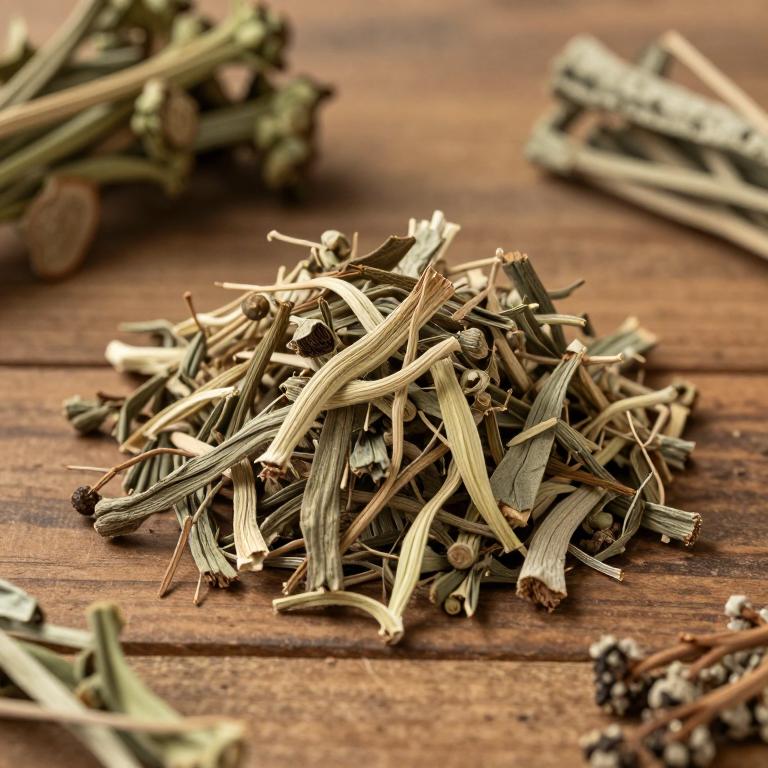
Names and Synonyms
Common Names
- Vietnamese ginseng
- bamboo ginseng
Scientific Names
Accepted name
Panax vietnamensisSources: Wikidata, Catalogue of Life
Taxonomical Classification
This plant, Panax vietnamensis, belongs to the kingdom Plantae and the phylum Streptophyta. It is further classified under the class Equisetopsida and subclass Magnoliidae, falling within the order Apiales. Finally, it is a member of the Araliaceae family and the genus Panax.
| Rank | Classification |
|---|---|
| Kingdom | Plantae |
| Phylum | Streptophyta |
| Class | Equisetopsida |
| Subclass | Magnoliidae |
| Order | Apiales |
| Family | Araliaceae |
| Genus | Panax |
Sources: The World Checklist of Vascular Plants (WCVP)
Distribution
This plant exhibits a broad geographical distribution across several distinct regions in Asia. In China, it can be found spanning from the South-Central areas to the North-Central provinces. Its presence is also noted within the Southeast regions of China. Moving beyond China, the species inhabits the East Himalaya region of the Indian Subcontinent. Finally, it is native to the Indo-China region, specifically within Vietnam.
| Region | Area |
|---|---|
| China | China South-Central |
| China | China North-Central |
| China | China Southeast |
| Indian Subcontinent | East Himalaya |
| Indo-China | Vietnam |
Sources: The World Checklist of Vascular Plants (WCVP)
Botanical Identification
Life history
The life history of Panax vietnamensis is characterized by its classification as a geophyte, a life form that relies on underground storage organs to survive unfavorable environmental conditions. This plant typically undergoes seasonal cycles where its above-ground structures perish during periods of dormancy, while its energy reserves are maintained within a specialized rhizome system located beneath the soil surface. As a perennial species, it follows a developmental trajectory that involves the emergence of foliage from these subterranean structures when environmental cues, such as moisture and temperature, become optimal. The growth process involves the gradual accumulation of biomass in the rhizome, which serves as the primary reservoir for nutrients and secondary metabolites, supporting the plant's ability to re-emerge and complete its reproductive cycle in subsequent growing seasons.
- Life form :
- geophyte
Morphology
The morphology of Panax vietnamensis is characterized by a perennial, herbaceous growth habit that functions as a self-supporting plant, rather than a climber, meaning it does not rely on external structures for vertical support. It is an independent organism that does not exhibit parasitic behavior, maintaining its own nutritional processes without host dependency. As a terrestrial plant, it grows directly in the soil of its natural habitat rather than functioning as an epiphyte. Regarding its structural composition, the plant exhibits woody characteristics, particularly in its specialized root system which is a defining morphological feature of the species.
- Climber :
- self-supporting
- Epiphyte :
- terrestrial
- Parasite :
- independent
- Woodiness :
- woody
Sources: Global Inventory of Floras and Traits (GIFT)
Plant Parts
Panax vietnamensis has 2 reported plant parts identified across 4 scientific publications and several other databases that are studied for medicinal purposes. The most consistently reported plant part include rhizome, root.
| Plant part | Supporting sources | Consensus |
|---|---|---|
| Rhizome | 3 supporting sources | ★★☆☆☆ |
| Root | 1 supporting sources | ★☆☆☆☆ |
Rhizome
- Cancer letters
- Frontiers in plant science
- Planta medica
Root
- Cancer letters
Chemicals
Panax vietnamensis has 38 reported phytochemicals identified across 4 scientific publications and several other databases. The most consistently reported chemicals include Majonoside R2, Ginsenosides, MR2, GINSENOSIDE, RB1.
| Chemical | Supporting sources | Consensus |
|---|---|---|
| Majonoside R2 | 5 supporting sources | ★★★☆☆ |
| Ginsenosides | 4 supporting sources | ★★☆☆☆ |
| MR2 | 3 supporting sources | ★★☆☆☆ |
| GINSENOSIDE | 2 supporting sources | ★☆☆☆☆ |
| RB1 | 2 supporting sources | ★☆☆☆☆ |
| 2,3-Oxidosqualene | 1 supporting sources | ★☆☆☆☆ |
| 20-gluco-ginsenoside Rf | 1 supporting sources | ★☆☆☆☆ |
| Chikusetsusaponin IV | 1 supporting sources | ★☆☆☆☆ |
| Cyanidin | 1 supporting sources | ★☆☆☆☆ |
| Cycloartenol | 1 supporting sources | ★☆☆☆☆ |
Majonoside R2
- Cancer letters
- Biological & pharmaceutical bulletin
- Pharmacology, biochemistry, and behavior
- Chemistry & biodiversity
- Journal of ginseng research
Ginsenosides
- Current protein & peptide science
- Molecular biology reports
- Chemistry & biodiversity
- Journal of ginseng research
MR2
- Pharmacology, biochemistry, and behavior
- Journal of ginseng research
- Biotechnology, biotechnological equipment
GINSENOSIDE
- Biotechnology, biotechnological equipment
- Physiology and molecular biology of plants : an international journal of functional plant biology
RB1
- Frontiers in plant science
- Biotechnology, biotechnological equipment
2,3-Oxidosqualene
- Chemistry & biodiversity
20-gluco-ginsenoside Rf
- Chemical & pharmaceutical bulletin
Chikusetsusaponin IV
- Frontiers in plant science
Cyanidin
- Frontiers in plant science
Cycloartenol
- Chemistry & biodiversity
Activities
Panax vietnamensis has 1 reported activities identified across 4 scientific publications and several other databases. The most consistently reported activities include Tonic.
| Activity | Supporting sources | Consensus |
|---|---|---|
| Tonic | 1 supporting sources | ★☆☆☆☆ |
Tonic
- Journal of natural medicines
Conditions
Panax vietnamensis has 2 reported investigations on conditions identified across 4 scientific publications and several other databases. The most consistently reported conditions include disease resistance, memory.
| Condition | Supporting sources | Consensus |
|---|---|---|
| Disease resistance | 1 supporting sources | ★☆☆☆☆ |
| Memory | 1 supporting sources | ★☆☆☆☆ |
Disease resistance
- Frontiers in plant science
Memory
- Chemistry & biodiversity
Preparations
Panax vietnamensis has 4 reported preparations identified across 4 scientific publications and several other databases. The most consistently reported preparations include Suspension cell cultures, crude extract, ethanol extract, total saponins.
| Preparation | Supporting sources | Consensus |
|---|---|---|
| Suspension cell cultures | 1 supporting sources | ★☆☆☆☆ |
| Crude extract | 1 supporting sources | ★☆☆☆☆ |
| Ethanol extract | 1 supporting sources | ★☆☆☆☆ |
| Total saponins | 1 supporting sources | ★☆☆☆☆ |
Suspension cell cultures
- Frontiers in plant science
Crude extract
- Planta medica
Ethanol extract
- Journal of natural medicines
Total saponins
- Planta medica