Panax bipinnatifidus var. bipinnatifidus
Panax bipinnatifidus var. bipinnatifidus · Accepted scientific name
Scientific literature: Very Sparse (1 studies) · ★☆☆☆☆
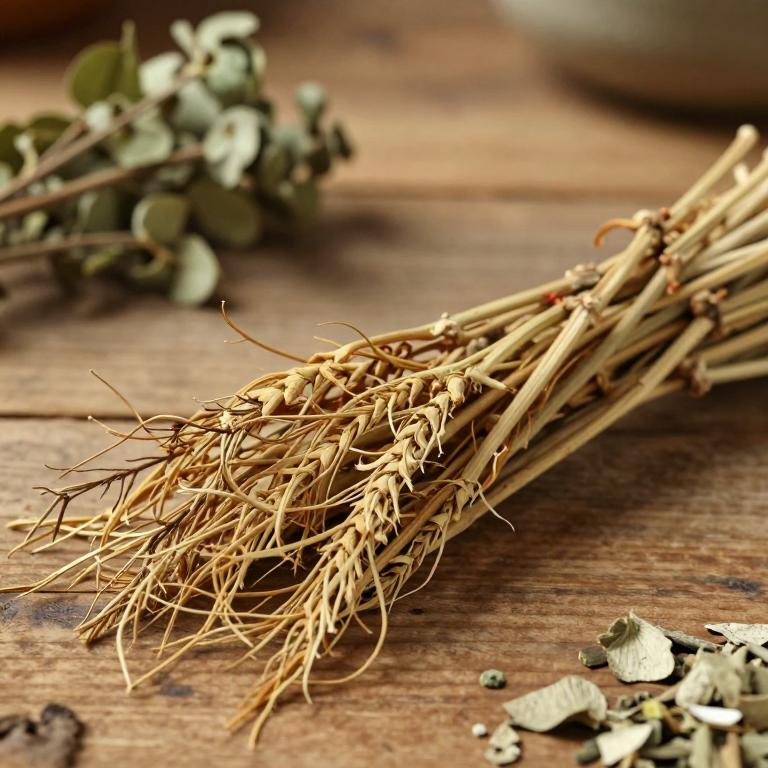
Panax bipinnatifidus var. bipinnatifidus is a significant medicinal plant known for its diverse range of bioactive phytochemicals. The plant contains potent compounds such as Chikusetsusaponin iva, Ginsenoside Ro, various ginsenosides, and various saponins. While the leaves, stems, and flowers hold interest, the rhizome is the primary part used in medicinal preparations. Research suggests these components offer therapeutic potential for the cardiovascular and central nervous systems. Furthermore, the plant is being actively studied for its anticancer activities, particularly in the treatment of gastric cancer.
- Synonyms
- Aralia Quinquefolia Var. Elegantior · Aralia Quinquefolia Var. Major · 12 more
- Common names
- Not available
- Family
- Araliaceae
- Distribution
- Not available
- Plant Parts
- Leaf · Rhizome
Classification
Synonyms
Panax bipinnatifidus var. bipinnatifidus is a botanical entity characterized by a complex web of taxonomic synonyms. It is frequently identified in historical literature as Aralia quinquefolia var. elegantior or Aralia quinquefolia var. major. Researchers may also encounter this plant under the names Panax japonicus var. major and Panax major. Furthermore, the name Panax pseudoginseng f. flee serves as another valid synonym within its classification. Navigating these various designations is essential for ensuring accuracy in botanical studies and plant identification.
Sources: The World Checklist of Vascular Plants (WCVP)
Taxonomy
Panax bipinnatifidus var. bipinnatifidus is a distinct botanical entity that belongs to the vast kingdom Plantae. Within this kingdom, it is classified under the class Equisetopsida, marking its place among diverse vascular plants. This variety is a member of the genus Panax, a group well-known for its unique characteristics. It further falls under the order Apiales, which connects it to several other significant plant groups. Finally, its taxonomic journey leads it to the family Araliaceae, defining its specific biological identity.
| Rank | Classification |
|---|---|
| Kingdom | Plantae |
| Phylum | Streptophyta |
| Class | Equisetopsida |
| Subclass | Magnoliidae |
| Order | Apiales |
| Family | Araliaceae |
| Genus | Panax |
Sources: The World Checklist of Vascular Plants (WCVP)
Distribution
Geographic Regions
Panax bipinnatifidus var. bipinnatifidus is a diverse plant species with a broad geographical reach across various Asian climates. Within the temperate regions of China, it is widely distributed through the North-Central, South-Central, and Southeast territories. The species also extends its range into the high-altitude landscapes of Tibet. Beyond the Chinese borders, it finds a suitable habitat within the tropical environments of the Indian Subcontinent. Specifically, these populations thrive throughout the lush terrain of the East Himalaya.
Sources: The World Checklist of Vascular Plants (WCVP)
Identification
Biological Activities
Panax bipinnatifidus var. bipinnatifidus is recognized for its significant anticancer activity within the study of medicinal plant properties. While research often explores related species like Panax japonicus var. major, the broader potential for Panax varieties to combat malignancy remains a focal point of pharmacological interest. Specifically, investigations into these plants have revealed their ability to target crucial signaling pathways to inhibit cancer cell progression. By modulating protein targets such as CASP3 and TNF, these botanical extracts can effectively promote apoptosis in malignant cells. Such findings underscore the therapeutic value of the Panax genus in developing future treatments for gastric cancer and other oncological conditions.
Compounds
Panax bipinnatifidus var. bipinnatifidus is a plant characterized by a complex chemical profile containing several significant saponins. Research highlights that this variety contains chikusetsusaponin IVa, a key active component within the genus. Furthermore, the chemical composition of this plant includes specific ginsenosides such as ginsenoside F3 and ginsenoside Rf. It also contains ginsenoside Ro, which is formed through specialized biosynthetic pathways involving glycosylation. These various compounds serve as essential markers for understanding the chemical diversity and quality of the species.
Conditions
Panax bipinnatifidus var. bipinnatifidus is studied in relation to various shading conditions, including 0%, 30%, and 50% shading treatments. These light environments are evaluated to understand their specific impact on the plant's physiological processes. Furthermore, the plant is utilized to treat H2O2-induced injury models to assess its protective biological properties. It also demonstrates efficacy in treating OGD models to mitigate cellular damage. Together, these relationships highlight the plant's versatility in both cultivation optimization and medical application.
Preparations
Panax bipinnatifidus var. bipinnatifidus is prepared as rhizomes for specific uses. Although the provided text discusses Panax japonicus var. major, the relationship for Panax bipinnatifidus var. bipinnatifidus focuses on its rhizome form. These rhizomes are essential components of the plant's medicinal profile. This specific preparation method is a key characteristic of the species' utility. Therefore, the plant is utilized primarily through its prepared rhizomes.
Parts used
Panax bipinnatifidus var. bipinnatifidus is a plant characterized by several distinct anatomical components used in medicinal research. It possesses a leaf that serves as a primary site for important metabolic processes and chemical synthesis. The plant also contains a rhizome, which often functions as a key storage organ for specific bioactive compounds. Additionally, the stem provides essential structural support and participates in the distribution of nutrients throughout the organism. Finally, the presence of a flower contributes to the overall biological complexity and reproductive capability of the species.