Panax bipinnatifidus var. angustifolius
Panax bipinnatifidus var. angustifolius · Accepted scientific name
Scientific literature: Very Sparse (0 studies) · ★☆☆☆☆
Panax bipinnatifidus var. angustifolius is a specialized botanical variety recognized for its complex chemical profile. This plant is a rich source of bioactive compounds, including anthocyanin, saponin, and the specific ginsenoside known as RG2. Scientific interest often focuses on how these phytochemicals react to environmental stressors such as dehydration. To study these mechanisms, researchers utilize advanced laboratory preparations including cell line and cell suspension line cultures. Such investigations are crucial for understanding the metabolic pathways and medicinal potential of this unique species.
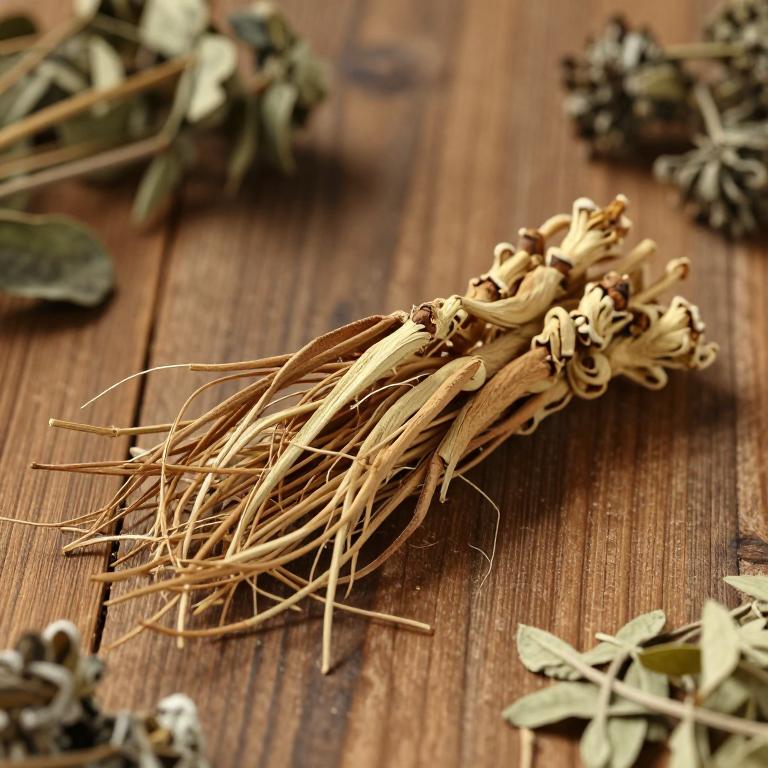
- Synonyms
- Aralia Quinquefolia Var. Angustifolia · Panax Burkillianus · 13 more
- Common names
- Not available
- Family
- Araliaceae
- Distribution
- Not available
- Plant Parts
- Not available
Classification
Common Names
Panax bipinnatifidus var. angustifolius is a distinctive botanical variety known by its Chinese common name, 狭叶竹节参. This specific cultivar belongs to the broader Panax genus, which is globally celebrated for its medicinal properties. The name itself provides a descriptive clue to its unique physical characteristics and regional identity. Understanding its specific classification is essential for researchers studying the diverse lineage of ginseng plants. As such, recognizing this variety helps bridge the gap between traditional herbal knowledge and modern botanical science.
Sources: Catalogue of Life (COL)
Synonyms
Panax bipinnatifidus var. angustifolius is a botanical subject characterized by a complex web of taxonomic synonyms. Scientific literature identifies this plant through various alternative names, including Aralia pseudoginseng var. angustifolia and Aralia quinquefolia var. angustifolia. It is also frequently referred to as Panax burkillianus in different botanical contexts. Furthermore, the variety is linked to the names Panax ginseng f. angustifolius and Panax japonicus var. angustifolius. Understanding these overlapping designations is essential for accurate identification and classification within the genus.
Sources: The World Checklist of Vascular Plants (WCVP)
Taxonomy
Panax bipinnatifidus var. angustifolius belongs to the vast kingdom Plantae, representing a unique branch of the living world. Within this kingdom, it is classified under the class Equisetopsida, marking its place among diverse flowering plants. It further belongs to the order Apiales, a group that showcases complex botanical structures. As a member of the family Araliaceae, it shares close evolutionary ties with many other well-known woody species. Finally, this plant is situated within the genus Panax, which defines its specific biological identity and lineage.
| Rank | Classification |
|---|---|
| Kingdom | Plantae |
| Phylum | Streptophyta |
| Class | Equisetopsida |
| Subclass | Magnoliidae |
| Order | Apiales |
| Family | Araliaceae |
| Genus | Panax |
Sources: The World Checklist of Vascular Plants (WCVP)
Distribution
Geographic Regions
Panax bipinnatifidus var. angustifolius exhibits a diverse geographical range that spans across various Asian climates. In temperate regions, this variety is notably found throughout China, including the South-Central provinces and the high altitudes of Tibet. Its presence extends into tropical zones as well, particularly within the Indian Subcontinent. Specifically, it can be located in the lush landscapes of Assam and the sweeping expanses of the East Himalaya. Furthermore, the plant is well-established in the mountainous terrain of Nepal, highlighting its adaptability to different environments.
Sources: The World Checklist of Vascular Plants (WCVP)
Identification
Biological Activities
Compounds
Panax bipinnatifidus var. angustifolius serves as a significant subject of study regarding the complex biochemical profiles of ginseng congeners. Research indicates that this specific variety contains anthocyanin, which can be co-accumulated alongside other valuable metabolites in cell suspension cultures. Furthermore, the plant is characterized by its ability to produce ginsenoside, a group of saponins essential for various nutraceutical applications. Within this chemical group, the presence of Rg2 is particularly notable, as certain elicitation methods can significantly enhance its biosynthesis. Understanding these specific metabolic relationships provides valuable insights into optimizing the production of high-value compounds for industrial use.
Conditions
Panax bipinnatifidus var. angustifolius exhibits specific biological responses regarding biomass growth and dehydration tolerance. The plant's physiological processes are closely linked to its ability to treat ginsenoside content through various metabolic pathways. Research indicates that these processes also influence in vitro anthocyanin accumulation within the plant cells. Furthermore, the species shows a significant capacity to treat intracellular Rg2 biosynthesis during metabolic shifts. Together, these relationships define the complex biochemical profile of the plant under different environmental and elicitation conditions.
Preparations
Panax bipinnatifidus var. angustifolius is prepared as a cell line for specialized biological studies. This specific variety is also prepared as a cell suspension line to facilitate controlled cultivation. These preparation methods allow for the systematic observation of plant characteristics in a laboratory setting. By utilizing these distinct formats, researchers can effectively manage the growth and properties of the species. Consequently, both the cell line and cell suspension line serve as essential tools for studying this plant.