Palicourea tetraphylla
Palicourea tetraphylla · Accepted scientific name
Scientific literature: Very Sparse (0 studies) · ★☆☆☆☆
Palicourea tetraphylla is a tropical plant species that has garnered significant scientific interest due to its unique biochemical properties. Researchers have specifically focused on the medicinal potential of its leaves to address complex biological challenges. Recent studies have investigated whether extracts from these leaves exhibit inhibitory effects against Trypanosoma cruzi, the parasite responsible for Chagas disease. Understanding this interaction is crucial for identifying new natural compounds that could aid in drug development. Consequently, the plant represents a promising subject in the ongoing search for effective antiparasitic treatments.
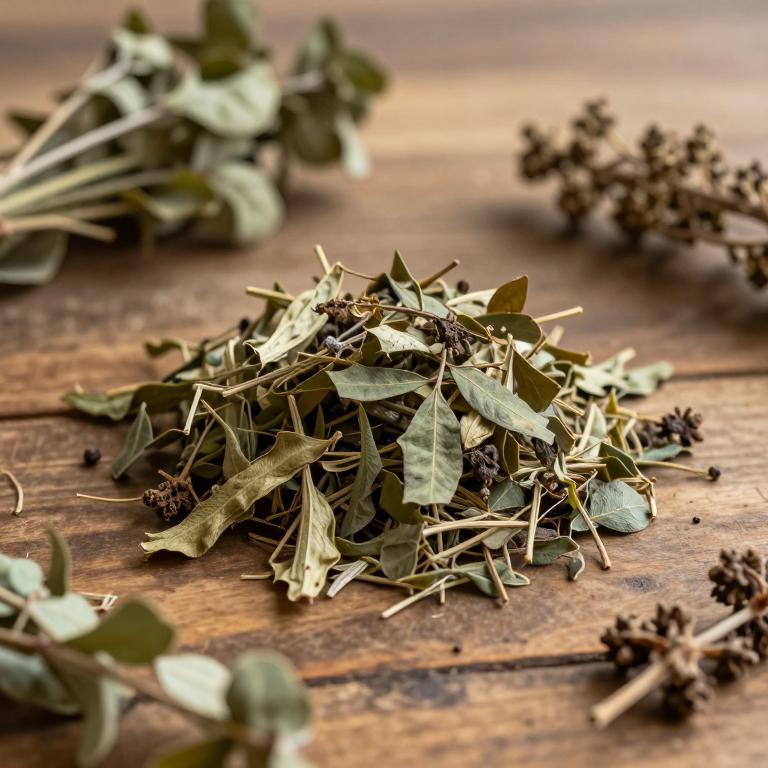
- Synonyms
- Uragoga Tetraphylla · Uragoga Verticillata · 10 more
- Common names
- Not available
- Family
- Rubiaceae
- Distribution
- Not available
- Plant Parts
- Leaf
Classification
Synonyms
Palicourea tetraphylla is a plant species characterized by a complex web of botanical synonyms. Within taxonomic literature, it is frequently identified by the name Palicourea gardneriana. The species is also closely linked to Palicourea verticillata and Palicourea weddelliana through various classification records. Furthermore, its historical nomenclature includes references to Psychotria gardneriana. Finally, the plant has been documented under the synonym Psychotria tetraphylla, reflecting the evolving nature of its scientific identity.
Sources: The World Checklist of Vascular Plants (WCVP)
Taxonomy
Palicourea tetraphylla is a distinct organism belonging to the vast kingdom Plantae. Within this diverse biological realm, it is specifically classified under the class Equisetopsida. The plant is further organized into the order Gentianales, showcasing its specialized evolutionary lineage. It finds its taxonomic home within the genus Palicourea, a group of closely related species. Finally, this plant is a proud member of the Rubiaceae family, which connects it to many other well-known flowering plants.
| Rank | Classification |
|---|---|
| Kingdom | Plantae |
| Phylum | Streptophyta |
| Class | Equisetopsida |
| Subclass | Magnoliidae |
| Order | Gentianales |
| Family | Rubiaceae |
| Genus | Palicourea |
Sources: The World Checklist of Vascular Plants (WCVP)
Distribution
Geographic Regions
Palicourea tetraphylla is a distinct botanical species primarily found throughout the diverse landscapes of Southern America. Its natural range is most notably concentrated within the lush environments of Brazil. Within this vast territory, the plant thrives specifically across the unique ecosystems of Brazil Southeast. This regional distribution highlights the importance of understanding its specific habitat requirements for conservation efforts. Such localized presence makes it a significant subject for researchers studying the flora of the South American continent.
Sources: The World Checklist of Vascular Plants (WCVP)
Identification
Morphology
Palicourea tetraphylla is a self-supporting plant characterized by its distinct shrub growth form. This sturdy structure allows it to maintain a stable presence within its natural habitat.
Sources: Global Inventory of Floras and Traits (GIFT)
Biological Activities
Compounds
Conditions
Palicourea tetraphylla serves as a host for endophytic fungi that demonstrate significant therapeutic potential against various pathogens. The extracts derived from these fungi possess the ability to treat Leishmania amazonensis through leishmanicidal activity. Furthermore, these fungal isolates effectively treat Trypanosoma cruzi by inhibiting its growth. They also target the specific enzyme trypanothione reductase (TryR) associated with Trypanosoma cruzi. Additionally, the biological activity of these plant-associated fungi extends to treating human cancer cell lines through cytotoxic effects.
Preparations
Parts used
Palicourea tetraphylla serves as a vital host species in the study of bioactive Brazilian flora. Researchers specifically focused on the leaf of this plant to recover various strains of endophytic fungi. These fungal isolates were then cultivated and processed into crude extracts for extensive biological testing. The study aimed to evaluate how these organisms might contribute to the development of new medicines. Ultimately, the relationship between Palicourea tetraphylla and its associated fungi highlights the potential for discovering new treatments for neglected tropical diseases.