Paepalanthus latipes
Paepalanthus latipes · Accepted scientific name
Scientific literature: Very Sparse (0 studies) · ★☆☆☆☆
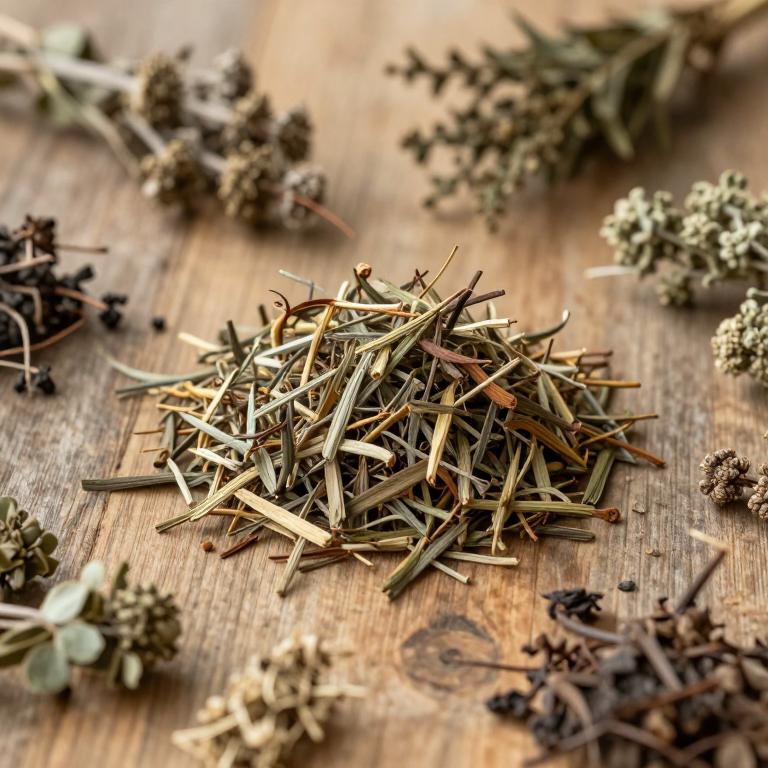
Paepalanthus latipes is a unique botanical species characterized by its distinctive structural features. The most prominent part of this plant is the leaf, which plays a vital role in its growth and survival. For various botanical applications, the leaves are specifically collected and processed as preparations. Understanding the characteristics of these leaves is essential for studying the plant's overall morphology. This species remains a subject of interest for those examining specialized plant structures in their natural habitats.
- Synonyms
- Not available
- Common names
- Not available
- Family
- Eriocaulaceae
- Distribution
- Not available
- Plant Parts
- Leaf
Classification
Taxonomy
Paepalanthus latipes is a specialized member of the kingdom Plantae that exhibits unique botanical characteristics. This plant is classified under the class Equisetopsida and belongs to the diverse order Poales. Within this taxonomic structure, it is nested specifically inside the family Eriocaulaceae. Furthermore, it is identified as a distinct species within its namesake genus, Paepalanthus. Understanding these biological relationships provides essential insight into the evolutionary history of this remarkable organism.
| Rank | Classification |
|---|---|
| Kingdom | Plantae |
| Phylum | Streptophyta |
| Class | Equisetopsida |
| Subclass | Magnoliidae |
| Order | Poales |
| Family | Eriocaulaceae |
| Genus | Paepalanthus |
Sources: The World Checklist of Vascular Plants (WCVP)
Distribution
Geographic Regions
Paepalanthus latipes is a specialized botanical species found within the diverse ecosystems of Southern America. Its natural range is primarily concentrated in Brazil, where it thrives in specific environmental niches. Within the country, the plant shows a notable presence in the Southeast region of Brazil. This distribution pattern highlights the importance of understanding its localized habitat requirements. Studying its presence in these areas provides valuable insight into the regional biodiversity of the South American landscape.
Sources: The World Checklist of Vascular Plants (WCVP)
Identification
Morphology
Paepalanthus latipes is characterized by its distinctive growth form as a delicate herb. This plant functions as a self-supporting organism, maintaining its structure independently within its habitat.
Sources: Global Inventory of Floras and Traits (GIFT)
Biological Activities
Compounds
Conditions
Preparations
Paepalanthus latipes is prepared as leaves for the isolation of specific chemical compounds. Researchers utilized these leaves to extract three new naphthopyranone glycosides, including unique dihydronaphthopyranones. These specialized substances were identified through advanced spectrometric methods such as electrospray mass spectrometry and NMR experiments. Because these glycosylated compounds are not found in other Eriocaulaceae genera, the prepared leaves provide essential taxonomic markers. Consequently, the leaf material serves as a critical source for characterizing the chemical profile of this species.
Parts used
Paepalanthus latipes serves as a significant subject of study in the identification of unique chemical compounds. Researchers have successfully isolated several new naphthopyranone glycosides from the specific parts of this plant. These specialized chemical constituents were specifically extracted from the leaves of the species. Through advanced spectrometric methods, including NMR experiments, the structures of these glycosylated dihydronaphthopyranones were carefully characterized. Ultimately, these leaf-derived compounds may act as vital taxonomic markers for the entire Paepalanthus genus.