Paeonia veitchii
Paeonia veitchii · Accepted scientific name
Scientific literature: Very Sparse (0 studies) · ★☆☆☆☆
Paeonia veitchii is a remarkable botanical species characterized by its unique chemical profile, which includes bioactive compounds such as paeonol, paeonoside, paeoveitol D, and various polyamines. Derived from its roots, leaves, and stems, the plant's constituents have demonstrated significant pharmacological potential, specifically exhibiting anticholinesterase and antidepressant activities. It is particularly noted for its resilience when subjected to cold and cold stress conditions. Various medicinal preparations utilize this plant, ranging from methanol extracts to specific traditional forms like Paeoniae Radix Rubra and PRR. Understanding the synergy between its chemical makeup and physiological responses offers valuable insights into its therapeutic applications.
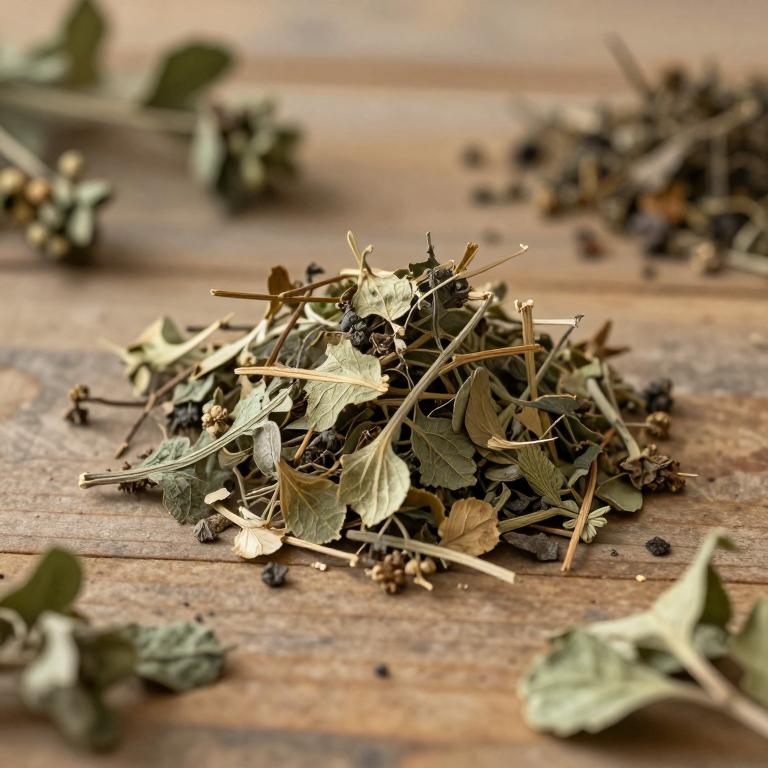
- Synonyms
- Paeonia Beresowskii · Paeonia Anomala Subsp. Veitchii · 6 more
- Common names
- Not available
- Family
- Paeoniaceae
- Distribution
- Not available
- Plant Parts
- Root · Leaf
Classification
Synonyms
Paeonia veitchii is a taxonomically complex species that is frequently associated with several botanical synonyms. It is closely linked to Paeonia anomala subsp. veitchii, reflecting its intricate classification within the genus. The plant also shares a historical identity with Paeonia beresowskii, a connection further emphasized by the synonym Paeonia veitchii var. beresowskii. Additional variations recognized in botanical records include Paeonia veitchii var. leiocarpa and Paeonia veitchii var. purpurea. Understanding these diverse nomenclatural relationships is essential for accurate identification and study.
Sources: The World Checklist of Vascular Plants (WCVP)
Taxonomy
Paeonia veitchii belongs to the vast kingdom Plantae, marking its place among the diverse life forms on Earth. Within this biological realm, the species is classified under the class Equisetopsida. It is further categorized into the order Saxifragales, which helps define its evolutionary lineage. This plant is a distinguished member of the genus Paeonia, showcasing unique characteristics typical of its group. Finally, it finds its specific botanical home within the family Paeoniaceae.
| Rank | Classification |
|---|---|
| Kingdom | Plantae |
| Phylum | Streptophyta |
| Class | Equisetopsida |
| Subclass | Magnoliidae |
| Order | Saxifragales |
| Family | Paeoniaceae |
| Genus | Paeonia |
Sources: The World Checklist of Vascular Plants (WCVP)
Distribution
Geographic Regions
Paeonia veitchii is a resilient species widely distributed across the Asia-Temperate region. Within China, its presence is notably widespread, spanning from the North-Central provinces to the South-Central areas. The plant also thrives in the unique environments of Inner Mongolia and the high altitudes of Qinghai. Furthermore, its natural habitat extends into the rugged terrain of Tibet. This broad geographical range highlights the plant's remarkable ability to adapt to diverse Chinese landscapes.
Sources: The World Checklist of Vascular Plants (WCVP)
Identification
Biological Activities
Compounds
Paeonia veitchii is a highly valued medicinal plant characterized by a diverse profile of bioactive compounds. Research highlights that this species contains essential polyphenols such as paeonol and paeonoside, which contribute to its neuroprotective and antioxidant properties. Furthermore, the plant contains the benzofuran compound paeoveitol D, a substance that has shown significant potential in the development of melatonin receptor agonists. Metabolomic analyses also reveal that the plant contains p-coumaroylputrescine and syringic acid, both of which increase in response to cold stress. Together, these chemical constituents underscore the complex biological functionality and adaptive mechanisms of the species.
Conditions
Paeonia veitchii demonstrates significant therapeutic potential by helping to treat Alzheimer's disease (AD) and Parkinson's disease (PD) through its neuroprotective properties. The plant's polyphenols, such as paeonol and paeoniflorin, act as effective amyloid-peptide (Aβ) cleaners to combat neurodegeneration. Furthermore, the extracts of this species exhibit strong inhibitory activity against Flavobacterium prolyl endopeptidase. Research also highlights that Paeonia veitchii possesses outstanding anticholinesterase capacities. These diverse biological activities underscore its importance in managing various degenerative and enzymatic conditions.
Preparations
Paeonia veitchii is prepared as Paeoniae Radix Rubra (PRR), a common traditional Chinese medicine. The roots of this species are utilized specifically for the production of PRR. Additionally, Paeonia veitchii is prepared as methanol-extracts for pharmacological studies. These methanol-extracts have demonstrated strong inhibitory activity against prolyl endopeptidase. Consequently, the plant serves as a valuable medicinal resource through both its traditional form and its various chemical extracts.
Parts used
Paeonia veitchii is a highly valued economic plant recognized for its significant medicinal properties and impressive cold tolerance. Scientific research into its physiological responses highlights the vital role played by the root system in managing stress through complex signaling pathways. Beyond the roots, detailed transcriptomic studies also examine gene expression across other essential plant parts, including the stem and leaf. These analyses allow researchers to identify stable reference genes that function effectively across various tissues such as the petiole and ovary. Ultimately, understanding the metabolic and genetic characteristics of these different components provides a stronger foundation for utilizing the species in medicine and the floral market.