Paeonia officinalis officinalis
Paeonia officinalis subsp. officinalis · Accepted scientific name
Scientific literature: Very Sparse (4 studies) · ★☆☆☆☆
Paeonia officinalis officinalis, scientifically known as Paeonia officinalis subsp. officinalis, is a perennial herb renowned for its striking crimson blooms and historical medicinal value. Traditionally utilized in herbalism, this species contains bioactive compounds used to address various inflammatory conditions, supporting holistic wellness through its potent botanical properties and essence.
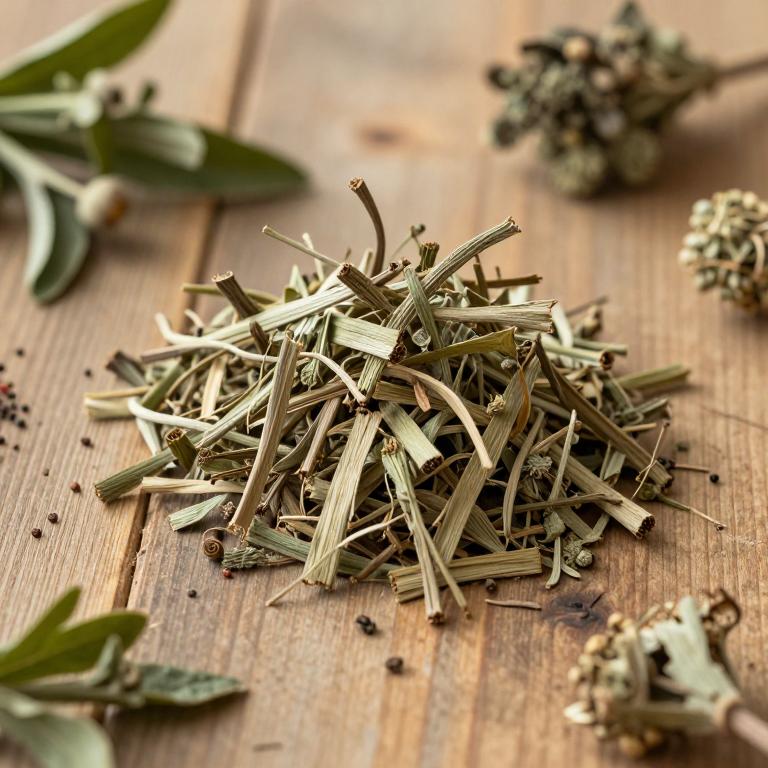
Names and Synonyms
Common Names
- Paeonia officinalis officinalis
- common peony
- cottage peony
Scientific Names
Accepted name
Paeonia officinalis subsp. officinalisSynonyms
- Paeonia porrigens
- Paeonia officinalis var. rubra
- Paeonia paradoxa var. fimbriata
- Paeonia officinalis var. feminea
- Paeonia fulgens
- Paeonia officinalis var. hirsuta
- Paeonia officinalis var. canescens
- Paeonia officinalis var. albicans
- Paeonia officinalis var. anemoniflora
- Paeonia subternata
- Paeonia sessiliflora
- Paeonia promiscua
- Paeonia pubens
- Paeonia fulgida
- Paeonia feminea
- Paeonia foemina
- Paeonia festiva
- Paeonia fimbriata
- Paeonia mollis
- Paeonia lanceolata
- Paeonia barrii
- Paeonia anemoniflora
- Paeonia commutata
Regional and Traditional Names
Spanish:
- Paeonia officinalis officinalis
German:
- Bauern-Pfingstrose
- gewöhnliche Pfingstrose
French:
- Paeonia officinalis officinalis
- pivoine officinale
Sources: Wikidata, Catalogue of Life
Taxonomical Classification
This plant belongs to the kingdom Plantae and the phylum Streptophyta, falling under the class Equisetopsida and subclass Magnoliidae. Within the order Saxifragales, it is classified under the family Paeoniaceae and the genus Paeonia.
| Rank | Classification |
|---|---|
| Kingdom | Plantae |
| Phylum | Streptophyta |
| Class | Equisetopsida |
| Subclass | Magnoliidae |
| Order | Saxifragales |
| Family | Paeoniaceae |
| Genus | Paeonia |
Sources: The World Checklist of Vascular Plants (WCVP)
Distribution
This plant is primarily distributed across several regions of the European continent. In Northern Europe, its presence can be documented in both Great Britain and Ireland. Moving into Middle Europe, the species is found within the territories of Germany and Switzerland. Additionally, the plant extends its range across the Czechia-Slovakia region. Together, these locations highlight its specific ecological preference for these European landscapes.
| Region | Area |
|---|---|
| Northern Europe | Great Britain |
| Northern Europe | Ireland |
| Middle Europe | Czechia-Slovakia |
| Middle Europe | Germany |
| Middle Europe | Switzerland |
| Southeastern Europe | Italy |
| Southeastern Europe | NW. Balkan Pen. |
| Eastern Europe | Central European Russia |
| Eastern Europe | East European Russia |
| Northeastern U.S.A. | Vermont |
Sources: The World Checklist of Vascular Plants (WCVP)
Chemicals
Paeonia officinalis subsp. officinalis has 4 reported phytochemicals identified across 0 scientific publications and several other databases. The most consistently reported chemicals include 2-hydroxy benzaldehyde, Albiflorin, Paeoniflorin, n-Hexadecanoic acid.
| Chemical | Supporting sources | Consensus |
|---|---|---|
| 2-hydroxy benzaldehyde | 1 supporting sources | ★☆☆☆☆ |
| Albiflorin | 1 supporting sources | ★☆☆☆☆ |
| Paeoniflorin | 1 supporting sources | ★☆☆☆☆ |
| n-Hexadecanoic acid | 1 supporting sources | ★☆☆☆☆ |
2-hydroxy benzaldehyde
- Acta pharmacologica Sinica
Albiflorin
- Zhong yao cai = Zhongyaocai = Journal of Chinese medicinal materials
Paeoniflorin
- Zhong yao cai = Zhongyaocai = Journal of Chinese medicinal materials
n-Hexadecanoic acid
- Acta pharmacologica Sinica