Tibetan tree peony
Paeonia ludlowii · Accepted scientific name
Scientific literature: Very Sparse (5 studies) · ★☆☆☆☆
Tibetan tree peony, scientifically known as Paeonia ludlowii, is a stunning perennial prized for its large, creamy-white blooms. Native to high-altitude regions, it holds significant value in traditional medicine. Its roots are frequently utilized for their anti-inflammatory and analgesic properties, offering therapeutic benefits in various herbal formulations.
- Family
- Paeoniaceae
- Native range
- Asia-Temperate
- Parts used
- Seed
- Common names
- Not available
- Scientific synonyms
- Paeonia Lutea Var. Ludlowii · Paeonia Lutea Subsp. Ludlowii · 1 more
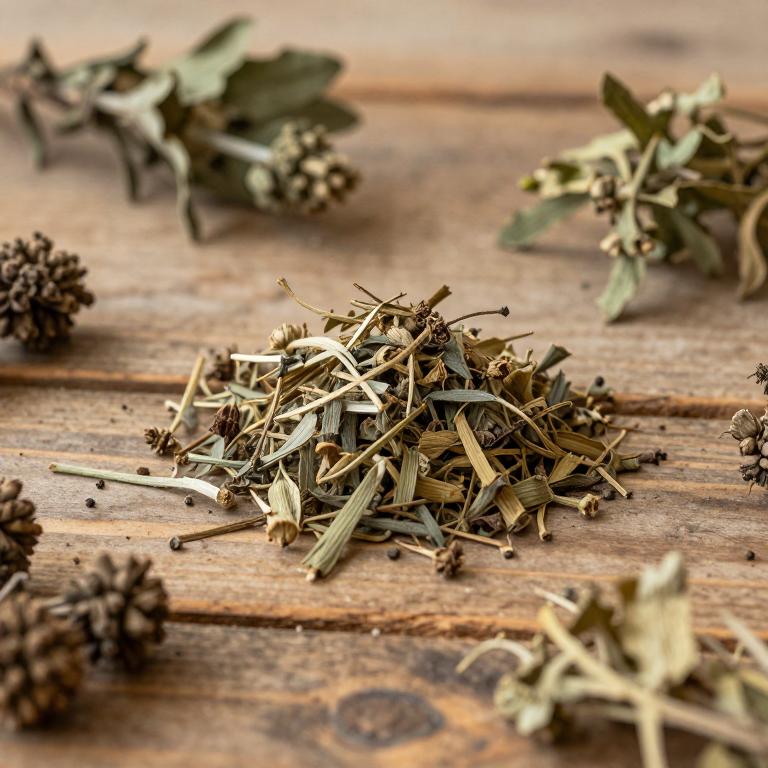
Names and Synonyms
Scientific Names
Accepted name
Paeonia ludlowiiSynonyms
- Paeonia lutea var. ludlowii
- Paeonia lutea subsp. ludlowii
- Paeonia delavayi subsp. ludlowii
Sources: Wikidata, Catalogue of Life
Taxonomical Classification
This plant, Paeonia ludlowii, belongs to the kingdom Plantae and the phylum Streptophyta. Within the class Equisetopsida and subclass Magnoliidae, it is classified under the order Saxifrages and the family Paeoniaceae. Finally, it is situated within the genus Paeonia.
| Rank | Classification |
|---|---|
| Kingdom | Plantae |
| Phylum | Streptophyta |
| Class | Equisetopsida |
| Subclass | Magnoliidae |
| Order | Saxifragales |
| Family | Paeoniaceae |
| Genus | Paeonia |
Sources: The World Checklist of Vascular Plants (WCVP)
Distribution
This plant is a rare medicinal species with a very specific and limited range. Its natural habitat is found exclusively within the borders of China. Specifically, its geographical distribution is restricted to the high-altitude regions of Tibet. Due to this localized occurrence, it is considered an endemic species to that particular territory. Understanding this narrow distribution is essential for the conservation efforts of the species.
| Region | Area |
|---|---|
| China | Tibet |
Sources: The World Checklist of Vascular Plants (WCVP)
Plant Parts
Paeonia ludlowii has 1 reported plant parts identified across 1 scientific publications and several other databases that are studied for medicinal purposes. The most consistently reported plant part include seed.
| Plant part | Supporting sources | Consensus |
|---|---|---|
| Seed | 1 supporting sources | ★☆☆☆☆ |
Seed
- Food science & nutrition
Chemicals
Paeonia ludlowii has 2 reported phytochemicals identified across 1 scientific publications and several other databases. The most consistently reported chemicals include linoleic acid, oleic acid.
| Chemical | Supporting sources | Consensus |
|---|---|---|
| linoleic acid | 1 supporting sources | ★☆☆☆☆ |
| oleic acid | 1 supporting sources | ★☆☆☆☆ |
linoleic acid
- Journal of oleo science
oleic acid
- Journal of oleo science
Conditions
Paeonia ludlowii has 1 reported investigations on conditions identified across 1 scientific publications and several other databases. The most consistently reported conditions include Alzheimer's disease.
| Condition | Supporting sources | Consensus |
|---|---|---|
| Alzheimer's disease | 1 supporting sources | ★☆☆☆☆ |
Alzheimer's disease
- Food science & nutrition
Preparations
Paeonia ludlowii has 1 reported preparations identified across 1 scientific publications and several other databases. The most consistently reported preparations include seed oil.
| Preparation | Supporting sources | Consensus |
|---|---|---|
| Seed oil | 1 supporting sources | ★☆☆☆☆ |
Seed oil
- Food science & nutrition