Packera candidissima
Packera candidissima · Accepted scientific name
Scientific literature: Very Sparse (0 studies) · ★☆☆☆☆
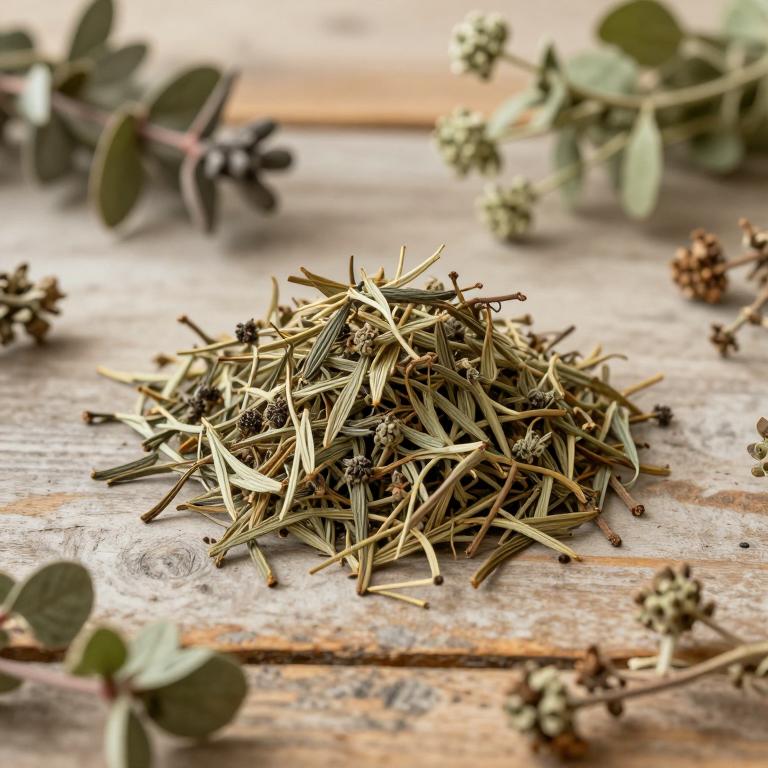
Packera candidissima is a charming perennial herb known for its silvery, glaucous foliage and bright yellow blooms. This plant thrives in rocky or well-drained environments where its hardy nature can truly shine. Beneath the surface, a sturdy root system allows the species to anchor itself firmly in its preferred mountainous habitats. Gardeners often appreciate its ability to provide striking texture and a soft color palette to alpine rockeries. Understanding its growth habits and root structure is essential for successful cultivation in diverse landscapes.
- Synonyms
- Senecio Candidissimus
- Common names
- Not available
- Family
- Asteraceae
- Distribution
- Southern America
- Plant Parts
- Root
Classification
Common Names
Packera candidissima is a unique plant known by several evocative common names. Among its most recognized titles is té milagro, a name that highlights its perceived special qualities. It is also frequently referred to as hierba del fuego, reflecting its striking appearance or traditional uses. These diverse names illustrate the deep cultural connections people have developed with this species over time. Understanding these local identities provides a richer perspective on the plant's historical significance.
Sources: Catalogue of Life (COL)
Synonyms
Packera candidissima is a notable plant species that is frequently identified in botanical literature through various taxonomic names. It is widely recognized as being synonymous with Senecio candidissimus, a classification that reflects its shifting place in botanical history. Understanding these overlapping names is essential for gardeners and researchers who wish to ensure they are studying the correct specimen. While the nomenclature may change depending on the scientific framework used, the plant's identity remains a constant subject of interest. Navigating these synonym relationships allows for greater accuracy when documenting the diverse world of flora.
Sources: The World Checklist of Vascular Plants (WCVP)
Taxonomy
Packera candidissima is a unique biological entity belonging to the kingdom Plantae. Within this vast kingdom, it is specifically classified under the class Equisetopsida. This plant further belongs to the order Asterales, showcasing its evolutionary lineage. It is a member of the diverse family Asteraceae, which is known for its complex floral structures. Ultimately, this species is identified by its specific genus, Packera, distinguishing it from its botanical relatives.
| Rank | Classification |
|---|---|
| Kingdom | Plantae |
| Phylum | Streptophyta |
| Class | Equisetopsida |
| Subclass | Magnoliidae |
| Order | Asterales |
| Family | Asteraceae |
| Genus | Packera |
Sources: The World Checklist of Vascular Plants (WCVP)
Distribution
Geographic Regions
Packera candidissima is a resilient species widely distributed across various regions of Northern America. Its presence is particularly notable throughout much of Mexico, where it thrives in diverse habitats. The plant can be found spanning across the landscape of Northeast Mexico, contributing to the local biodiversity. Additionally, its range extends into the rugged terrains of Northwest Mexico. This broad geographical footprint highlights the plant's ability to adapt to different environmental conditions across the continent.
Sources: The World Checklist of Vascular Plants (WCVP)
Identification
Biological Activities
Compounds
Conditions
Packera candidissima is a Mexican medicinal plant that is traditionally utilized for the treatment of kidney ailments. While it is used for these renal issues, the plant also possesses notable antiseptic properties. Scientific analysis reveals that the species contains high levels of hepatotoxic pyrrolizidine alkaloids in both its roots and aerial parts. These chemical components pose a significant poisoning risk to individuals who consume the herb for its medicinal benefits. Consequently, the use of this plant for kidney ailments requires careful consideration due to its inherent toxicity.
Preparations
Parts used
Packera candidissima is a Mexican medicinal plant frequently utilized for its antiseptic properties and its ability to treat kidney ailments. Chemical analysis reveals that this species contains significant levels of hepatotoxic pyrrolizidine alkaloids throughout its structure. Specifically, the plant's root serves as a major site for these compounds, containing senkirkine as its primary component. These alkaloids are also present in the aerial parts, though they appear in lower concentrations compared to the root material. Because of these high concentrations, users of this herb face a substantial risk of poisoning.