Pachystachys velutina
Pachystachys velutina · Accepted scientific name
Scientific literature: Very Sparse (0 studies) · ★☆☆☆☆
Pachystachys velutina is a botanical species recognized for its unique biological properties and potential medicinal value. Recent scientific investigations have focused on the specific chemical composition found within the plant's leaf. By utilizing a specialized leaf extract, researchers aim to explore the bioactive compounds housed within its tissues. This study specifically examines how these components interact with free radicals to mitigate oxidative stress. Understanding these mechanisms provides valuable insight into the plant's natural antioxidant capabilities.
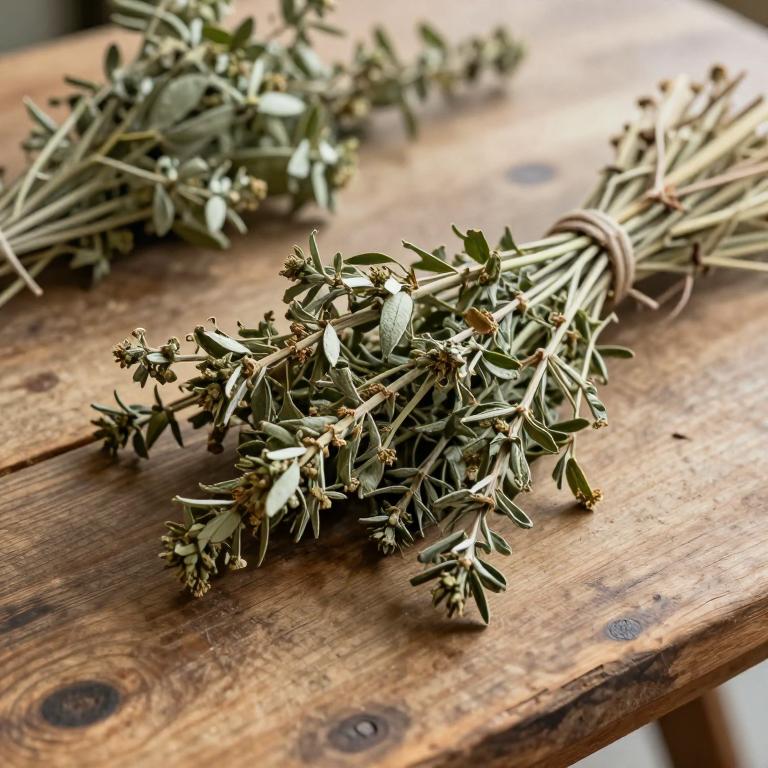
- Synonyms
- Pseuderanthemum Roseum · Pseuderanthemum Pseudovelutinum · 2 more
- Common names
- Not available
- Family
- Acanthaceae
- Distribution
- Not available
- Plant Parts
- Leaf
Classification
Synonyms
Pachystachys velutina is a plant that is frequently identified by various botanical synonyms due to historical classification shifts. It is recognized in scientific literature under the name Eranthemum fournieri, which highlights its taxonomic complexity. Similarly, the species has been referred to as Eranthemum velutinum in several botanical records. The plant also shares names with the genus Pseuderanthemum, specifically appearing as Pseuderanthemum pseudovelutinum. Finally, it is sometimes documented under the synonym Pseuderanthemum roseum, illustrating the diverse nomenclature used to describe this single species.
Sources: The World Checklist of Vascular Plants (WCVP)
Taxonomy
Pachystachys velutina is a distinctive species belonging to the vast kingdom Plantae. Within this botanical realm, it is classified under the class Equisetopsida. This plant specifically falls into the order Lamiales, showcasing its unique evolutionary lineage. Furthermore, it is a member of the Acanthaceae family, which characterizes many of its structural traits. Ultimately, its identity is defined by its placement within the genus Pachystachys.
| Rank | Classification |
|---|---|
| Kingdom | Plantae |
| Phylum | Streptophyta |
| Class | Equisetopsida |
| Subclass | Magnoliidae |
| Order | Lamiales |
| Family | Acanthaceae |
| Genus | Pachystachys |
Sources: The World Checklist of Vascular Plants (WCVP)
Distribution
Geographic Regions
Pachystachys velutina is a distinctive plant species primarily found within the diverse ecosystems of Southern America. Its natural range extends significantly through Brazil, including specific populations located in the northern regions of the country. Beyond these Brazilian territories, the species also flourishes across Western South America. In particular, Peru serves as a key location where this plant can be observed in its native habitat. This distribution highlights the botanical importance of the South American landscape in supporting such unique flora.
Sources: The World Checklist of Vascular Plants (WCVP)
Identification
Biological Activities
Compounds
Conditions
Pachystachys velutina demonstrates significant anti-inflammatory potential through its ability to treat the Albumin denaturation assay and the Membrane stabilization assay. The plant's biological efficacy is further evidenced by its impact on the HepG2 Anti-proliferative cells line. It also functions effectively in treating C. quinquefasciatus, exhibiting high larvicidal mortality. Additionally, the plant's applications extend to environmental remediation through its treatment of Methylene blue dye.
Preparations
Pachystachys velutina is not mentioned in the provided abstract, as the text focuses exclusively on the medicinal properties of Eranthemum roseum. The research details how the leaf extract of E. roseum is utilized for the green synthesis of zinc oxide nanoparticles. While the relationship involving Pachystachys velutina being prepared as a leaf extract was requested, the source material lacks any data regarding this specific plant. Consequently, no information can be provided about the preparation of Pachystachys velutina from the given text. The study instead highlights the biological and environmental applications of nanoparticles derived from E. roseum.
Parts used
Pachystachys velutina possesses a specific leaf structure that can be studied in the context of botanical morphology. While research often focuses on the diverse biological applications of various plant components, understanding the physical attributes of individual parts remains essential. For instance, studies involving Eranthemum roseum demonstrate how leaf extracts are instrumental in synthesizing zinc oxide nanoparticles for medicinal use. These nanoparticles exhibit significant antioxidant, anti-inflammatory, and hypoglycemic properties through specialized chemical interactions. Ultimately, analyzing the specific parts of plants like Pachystachys velutina contributes to our broader knowledge of plant-based biotechnology.