Pachylaena atriplicifolia
Pachylaena atriplicifolia · Accepted scientific name
Scientific literature: Very Sparse (0 studies) · ★☆☆☆☆
Pachylaena atriplicifolia is a distinctive botanical species known for its unique morphological characteristics. Within various traditional medicinal practices, this plant is highly valued for its diverse therapeutic potential. Researchers and herbalists often focus on the development of specialized extracts derived from its various components. These concentrated preparations are used to isolate bioactive compounds that may offer significant health benefits. Understanding the chemical composition of these extracts is essential for unlocking the full medicinal value of the species.
- Synonyms
- Chionoptera Gayophyta
- Common names
- Not available
- Family
- Asteraceae
- Distribution
- Southern America
- Plant Parts
- Not available
Classification
Common Names
Pachylaena atriplicifolia is a plant recognized by several distinct regional names. In many areas, it is affectionately known by the common name Oreja de chancho. Within the specific context of Chile, the species is frequently referred to as hierba santa. These various identifiers reflect the diverse ways local communities categorize and interact with the flora. Understanding these linguistic relationships helps enthusiasts identify the plant across different geographical landscapes.
Sources: Catalogue of Life (COL)
Synonyms
Pachylaena atriplicifolia is a plant species that has undergone taxonomic reassessment within botanical literature. In certain scientific contexts, it is recognized by the synonym Chionoptera gayophyta. This nomenclatural overlap can sometimes cause confusion for researchers tracking the plant's history. Understanding these shifting names is essential for maintaining accurate biodiversity records. Consequently, both terms may appear interchangeably when studying the formal classification of this species.
Sources: The World Checklist of Vascular Plants (WCVP)
Taxonomy
Pachylaena atriplicifolia is a remarkable specimen belonging to the vast kingdom Plantae. Within this biological kingdom, it is classified under the class Equisetopsida. This specific plant is a member of the diverse order Asterales. It further resides within the extensive family Asteraceae, showcasing its evolutionary connections. Ultimately, this species is defined by its unique placement within the genus Pachylaena.
| Rank | Classification |
|---|---|
| Kingdom | Plantae |
| Phylum | Streptophyta |
| Class | Equisetopsida |
| Subclass | Magnoliidae |
| Order | Asterales |
| Family | Asteraceae |
| Genus | Pachylaena |
Sources: The World Checklist of Vascular Plants (WCVP)
Distribution
Geographic Regions
Pachylaena atriplicifolia is a distinct species with a broad distribution spanning across various regions of Southern South America. Its presence is notably documented throughout the northern and southern reaches of Argentina. Additionally, the plant thrives within the diverse landscapes of Chile, ranging from its northern territories to its central zones. This wide geographic spread highlights the plant's ability to adapt to different environmental conditions within the southern continent. By occupying these specific areas, the species plays a unique role in the local ecosystems of both Argentina and Chile.
Sources: The World Checklist of Vascular Plants (WCVP)
Identification
Morphology
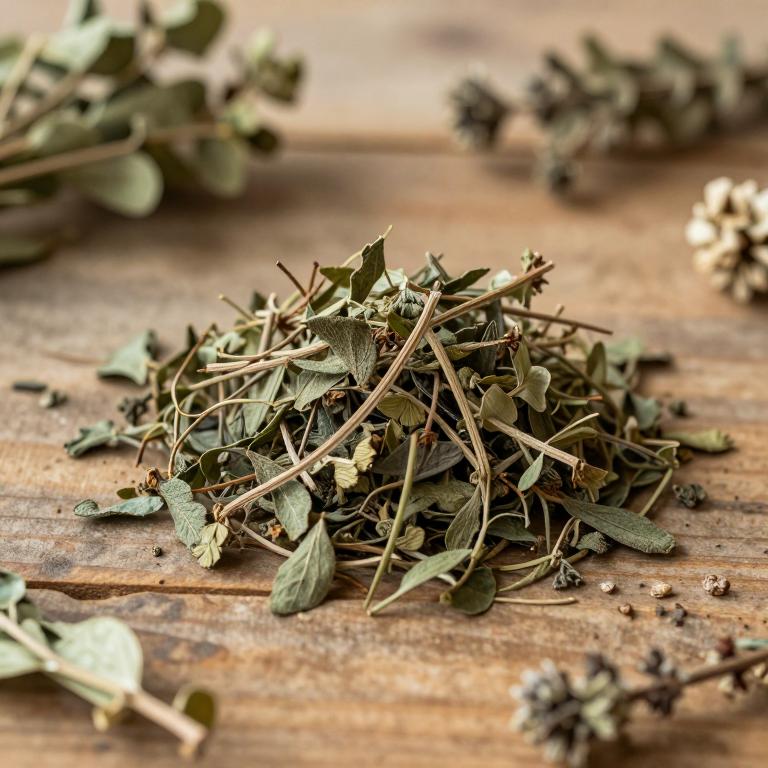
Pachylaena atriplicifolia is a self-supporting plant characterized by its herbaceous growth form. This structure allows the species to maintain its upright presence within its natural habitat.
Sources: Global Inventory of Floras and Traits (GIFT)
Biological Activities
Compounds
Conditions
Preparations
Pachylaena atriplicifolia is prepared as extracts for use in medicinal studies. These preparations are part of an assessment involving eighteen different plant extracts from the San Juan province of Argentina. The study specifically evaluates how these substances perform against various bacteria and fungi. Researchers utilized the agar dilution method to test the antimicrobial effectiveness of the various plant components. This process helps determine the medicinal potential of the species through its chemical extractions.