Oxytropis grandiflora
Oxytropis grandiflora · Accepted scientific name
Scientific literature: Very Sparse (0 studies) · ★☆☆☆☆
Oxytropis grandiflora is a distinctive perennial herb belonging to the Fabaceae family, often found in high-altitude alpine environments. This plant serves as a significant source of medicinal material samples used in various traditional healing practices. Its large, showy flowers and unique physiological properties make it a subject of interest for botanical researchers. Collectors and scientists frequently gather specimens to study its chemical composition and therapeutic potential. Understanding the characteristics of this species is essential for the proper identification and preparation of its medicinal derivatives.
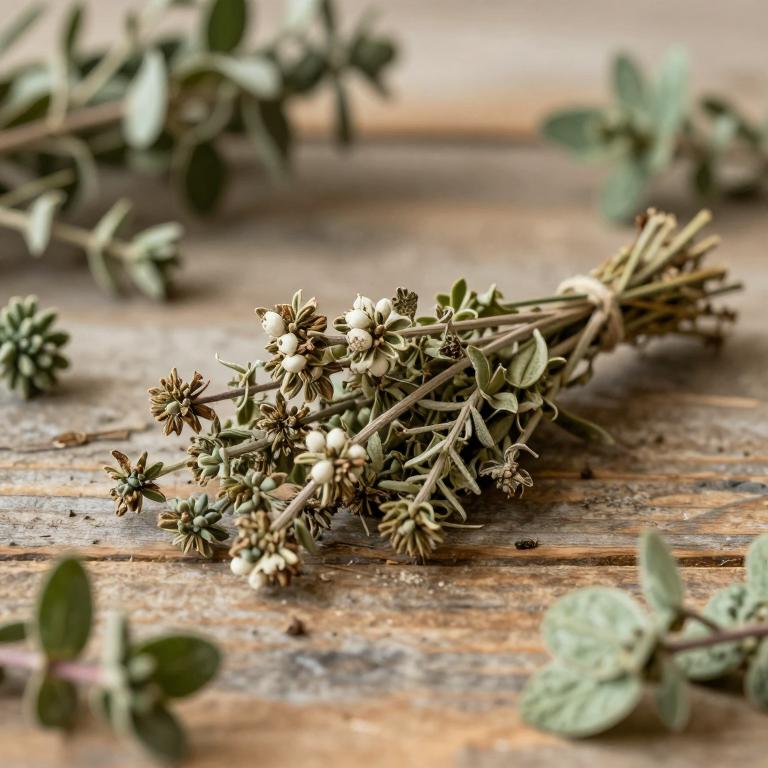
- Synonyms
- Spiesia Grandiflora · Oxytropis Fischeriana · 2 more
- Common names
- Not available
- Family
- Fabaceae
- Distribution
- Southern America
- Plant Parts
- Not available
Classification
Common Names
Oxytropis grandiflora is a unique botanical species recognized by various linguistic identities across the globe. In Russian-speaking regions, it is commonly referred to by the name Остролодочник крупноцветковый. Moving toward East Asia, the plant is known by the Japanese name オオゲンゲ. Similarly, it is identified in Chinese contexts as 大花棘豆. These diverse common names highlight the widespread recognition and cultural presence of this specific plant.
Sources: Catalogue of Life (COL)
Synonyms
Oxytropis grandiflora is a botanical species characterized by a complex history of taxonomic classification. Throughout various scientific studies, this plant has been identified by several different names, including the synonym Aragallus grandiflorus. It has also been referred to in literature as Oxytropis collina and Oxytropis fischeriana. Additionally, the name Spiesia grandiflora has been used to describe the same organism in different contexts. Understanding these various synonyms is essential for researchers seeking to track the plant's identity across different botanical records.
Sources: The World Checklist of Vascular Plants (WCVP)
Taxonomy
Oxytropis grandiflora belongs to the vast kingdom Plantae, representing a diverse group of living organisms. Within this kingdom, the species is classified under the class Equisetopsida. It further falls into the order Fabales, which connects it to a specific lineage of flowering plants. As a member of the family Fabaceae, it shares characteristics with the well-known legume group. Finally, this plant is categorized under the genus Oxytropis, defining its unique botanical identity.
| Rank | Classification |
|---|---|
| Kingdom | Plantae |
| Phylum | Streptophyta |
| Class | Equisetopsida |
| Subclass | Magnoliidae |
| Order | Fabales |
| Family | Fabaceae |
| Genus | Oxytropis |
Sources: The World Checklist of Vascular Plants (WCVP)
Distribution
Geographic Regions
Oxytropis grandiflora is a resilient species widely distributed throughout the Asia-Temperate region. Its presence is notably documented across various parts of China, including North-Central China, Inner Mongolia, and Manchuria. Beyond Chinese borders, the plant also thrives within the vast landscapes of Mongolia. Its range extends further north into the Siberian territory, specifically within the Chita region. This broad geographic spread highlights the plant's ability to adapt to diverse environments across the temperate Asian continent.
Sources: The World Checklist of Vascular Plants (WCVP)
Identification
Morphology
Oxytropis grandiflora is characterized by its distinct growth form as a perennial herb. This species typically maintains a relatively low profile, with heights ranging from a minimum of 0.08 m. Under optimal conditions, the plant can reach a maximum height of approximately 0.35 m.
Sources: Global Inventory of Floras and Traits (GIFT)
Biological Activities
Compounds
Conditions
Preparations
Oxytropis grandiflora is prepared as medicinal material samples to facilitate precise botanical identification. Researchers specifically utilized these prepared samples to amplify and sequence the internal transcribed spacer (ITS2) region via PCR. This methodical preparation allows for the comparison of genetic sequences against data retrieved from GenBank. By analyzing these prepared materials, scientists can distinguish genuine specimens from counterfeits or other species like Astragalus membranaceus. Ultimately, the use of these prepared Oxytropis grandiflora samples serves as a foundation for developing efficient DNA barcoding tools.