Ouratea semiserrata
Ouratea semiserrata · Accepted scientific name
Scientific literature: Very Sparse (6 studies) · ★☆☆☆☆
, scientifically known as Ouratea semiserrata, is a remarkable medicinal plant valued for its diverse therapeutic properties. Native to tropical regions, this species is traditionally utilized in various herbal remedies to address inflammatory conditions and promote healing. Exploring its phytochemical potential offers exciting possibilities for modern pharmacological advancements.
- Family
- Ochnaceae
- Native range
- Southern America
- Parts used
- Leaf
- Common names
- Not available
- Scientific synonyms
- Trichouratea Caulipila · Gomphia Semiserrata · 5 more
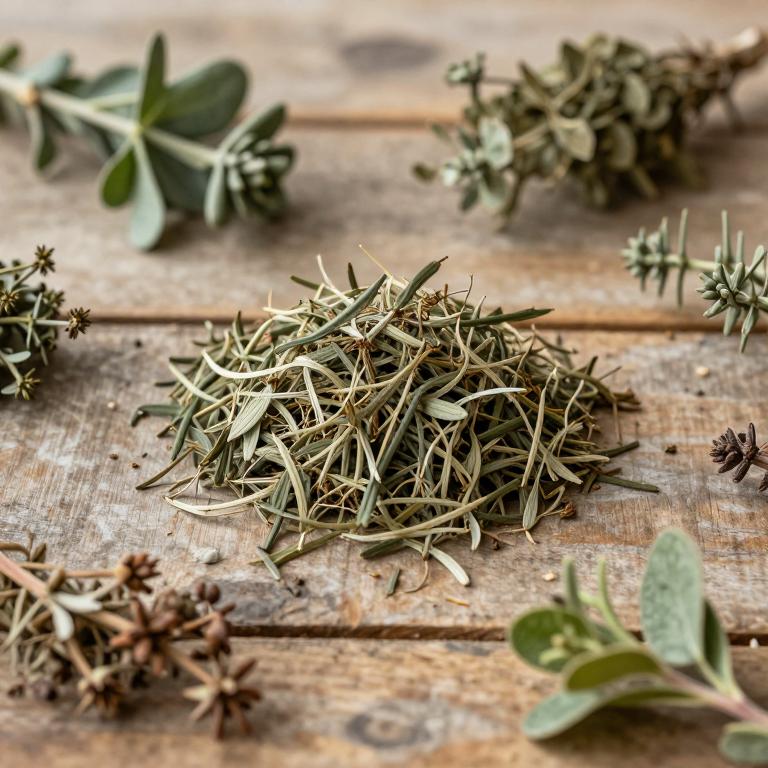
Names and Synonyms
Scientific Names
Accepted name
Ouratea semiserrataSynonyms
- Trichouratea caulipila
- Gomphia semiserrata
- Gomphia persistens
- Ouratea semiserrata var. persistens
- Camptouratea semiserrata
- Camptouratea persistens
- Ochna semiserrata
Sources: Wikidata, Catalogue of Life
Taxonomical Classification
This plant, Ouratea semiserrata, belongs to the kingdom Plantae and the phylum Streptophyta. Within the class Equisetopsida and subclass Magnoliidae, it is further classified under the order Malpighiales and the family Ochteaceae. Finally, it is identified as a member of the genus Ouratea.
| Rank | Classification |
|---|---|
| Kingdom | Plantae |
| Phylum | Streptophyta |
| Class | Equisetopsida |
| Subclass | Magnoliidae |
| Order | Malpighiales |
| Family | Ochnaceae |
| Genus | Ouratea |
Sources: The World Checklist of Vascular Plants (WCVP)
Distribution
This plant, known scientifically as Ouratea semiserrata, exhibits a specific distribution pattern across the South American nation of Brazil. Its presence is documented within the diverse ecosystems of the Brazil West-Central region. Additionally, the species can be found inhabiting parts of the Brazil Northeast area. It also maintains a significant geographical footprint throughout the Brazil Southeast territory. Consequently, these findings highlight the varied environmental ranges this medicinal plant occupies across the country.
| Region | Area |
|---|---|
| Brazil | Brazil West-Central |
| Brazil | Brazil Northeast |
| Brazil | Brazil Southeast |
Sources: The World Checklist of Vascular Plants (WCVP)
Botanical Identification
Ecology
The ecology of Ouratea semiserrata is fundamentally defined by its presence within the Cerrado (latto sensu) biome, where it occupies specific ecological niches adapted to the complex environmental dynamics of this tropical savanna ecosystem. As a component of this highly seasonal landscape, the species is integrated into a community characterized by distinct wet and dry cycles, influencing its physiological adaptations and resource acquisition strategies. Its distribution within the Cerrado implies a capacity to thrive amidst varying degrees of vegetation density, ranging from open savanna formations to more wooded patches, where it interacts with specific soil compositions and fire regimes typical of the region. The plant's survival and reproductive success are closely tied to these environmental stressors, including nutrient-poor soils and periodic water scarcity, which shape its role within the local trophic structures and plant community assemblages.
- Habitat :
- Cerrado (lato sensu)
Life history
The life history of Ouratea semiserrata is characterized by its classification as a phanerophyte, indicating that its perennating buds are elevated well above the ground level, allowing it to persist as a woody plant within its ecosystem. Within the spectrum of botanical life forms, it functions primarily as a phanerophyte, though its structural adaptability may occasionally align with characteristics of a nanophanerophyte depending on its specific growth stage and environmental niche. This life strategy enables the species to navigate seasonal changes and maintain a stable presence in its habitat, utilizing its elevated bud structure to ensure survival and continued vegetative growth over multiple seasons.
- Life form :
- nanophanerophyte
- Life form :
- phanerophyte
Morphology
The morphology of Ouratea semiserrata is characterized by its growth form as a woody tree, which reaches a maximum plant height of 7 meters. This species is a self-supporting plant that does not exhibit climbing or parasitic behaviors, functioning as an independent organism. It is classified as a terrestrial plant, meaning it is neither aquatic nor semiaquatic, and it does not exist as an epiphyte, maintaining a strictly terrestrial lifestyle.
- Aquatic :
- terrestrial
- Climber :
- self-supporting
- Epiphyte :
- terrestrial
- Growth form :
- tree
- Parasite :
- independent
- Plant height max:
- 7 m
- Woodiness :
- woody
Sources: Global Inventory of Floras and Traits (GIFT)
Plant Parts
Ouratea semiserrata has 1 reported plant parts identified across 1 scientific publications and several other databases that are studied for medicinal purposes. The most consistently reported plant part include leaf.
| Plant part | Supporting sources | Consensus |
|---|---|---|
| Leaf | 1 supporting sources | ★☆☆☆☆ |
Leaf
- Phytotherapy research : PTR
Chemicals
Ouratea semiserrata has 3 reported phytochemicals identified across 1 scientific publications and several other databases. The most consistently reported chemicals include Agathisflavone, Epicatechin, Lanceoloside A.
| Chemical | Supporting sources | Consensus |
|---|---|---|
| Agathisflavone | 1 supporting sources | ★☆☆☆☆ |
| Epicatechin | 1 supporting sources | ★☆☆☆☆ |
| Lanceoloside A | 1 supporting sources | ★☆☆☆☆ |
Agathisflavone
- Phytotherapy research : PTR
Epicatechin
- Phytotherapy research : PTR
Lanceoloside A
- Phytotherapy research : PTR
Conditions
Ouratea semiserrata has 1 reported investigations on conditions identified across 1 scientific publications and several other databases. The most consistently reported conditions include antihypertensive.
| Condition | Supporting sources | Consensus |
|---|---|---|
| Antihypertensive | 1 supporting sources | ★☆☆☆☆ |
Antihypertensive
- Phytomedicine : international journal of phytotherapy and phytopharmacology
Preparations
Ouratea semiserrata has 2 reported preparations identified across 1 scientific publications and several other databases. The most consistently reported preparations include crude extract, ethanol extract.
| Preparation | Supporting sources | Consensus |
|---|---|---|
| Crude extract | 1 supporting sources | ★☆☆☆☆ |
| Ethanol extract | 1 supporting sources | ★☆☆☆☆ |
Crude extract
- Phytotherapy research : PTR
Ethanol extract
- Phytotherapy research : PTR