Otoba gracilipes
Otoba gracilipes · Accepted scientific name
Scientific literature: Very Sparse (0 studies) · ★☆☆☆☆
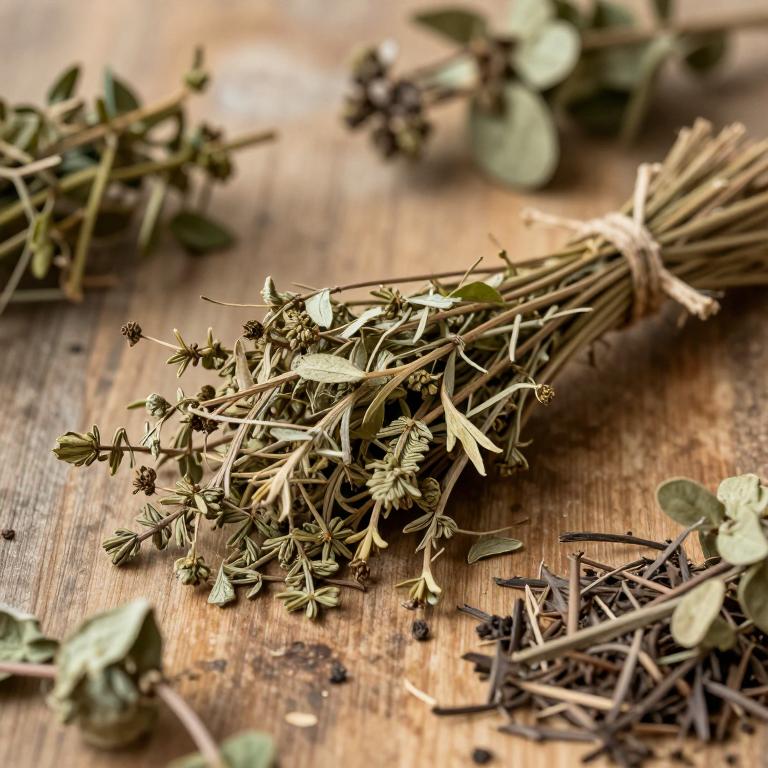
Otoba gracilipes is a distinctive tropical tree species recognized for its unique botanical characteristics. A primary feature used for identification is its specialized leaf structure, which serves as a key diagnostic tool for botanists. These leaves are meticulously arranged to maximize sunlight absorption within the dense forest canopy. Beyond their aesthetic appeal, the foliage plays a vital role in the plant's overall physiological processes and nutrient cycling. Understanding the specific morphology of its leaves is essential for studying the broader ecology of this fascinating species.
- Synonyms
- Dialyanthera Gracilipes
- Common names
- Not available
- Family
- Myristicaceae
- Distribution
- Southern America
- Plant Parts
- Leaf
Classification
Common Names
Otoba gracilipes is a versatile botanical species known by a diverse array of regional common names. Depending on the local area, it is frequently referred to as Cuángare, Cuángare de Loma, or Cuángare de Mangual. In certain contexts, the plant is also identified by the name Cuángare otobo. Additionally, it carries the distinct moniker Sangregallo among various groups. These varying names highlight the rich linguistic diversity used to describe this single plant species.
Sources: Catalogue of Life (COL)
Synonyms
Otoba gracilipes is a botanical species that is also recognized by the scientific name Dialyanthera gracilipes. These two designations refer to the exact same plant, serving as synonyms within taxonomic literature. Such nomenclatural shifts often occur as researchers refine the classification of various tropical flora. Understanding these relationships is essential for botanists seeking to maintain accurate records of plant biodiversity. Consequently, identifying both names ensures that researchers can track the species across different historical studies.
Sources: The World Checklist of Vascular Plants (WCVP)
Taxonomy
Otoba gracilipes is a distinctive member of the kingdom Plantae. Within this vast biological realm, it is classified under the class Equisetopsida. This species belongs to the order Magnoliales, reflecting its evolutionary lineage. Further narrowing its identity, it is categorized under the genus Otoba. Ultimately, this plant is a specialized representative of the Myristicaceae family.
| Rank | Classification |
|---|---|
| Kingdom | Plantae |
| Phylum | Streptophyta |
| Class | Equisetopsida |
| Subclass | Magnoliidae |
| Order | Magnoliales |
| Family | Myristicaceae |
| Genus | Otoba |
Sources: The World Checklist of Vascular Plants (WCVP)
Distribution
Geographic Regions
Otoba gracilipes is a versatile species with a wide geographical distribution spanning across Central and South America. Its presence is noted in key Central American regions such as Costa Rica and Panamá. Moving into the southern reaches, the plant is found throughout much of South America. More specifically, it thrives within the landscapes of Western South America, including Colombia. The range further extends into Ecuador, illustrating the significant ecological footprint of this plant across the continent.
Sources: The World Checklist of Vascular Plants (WCVP)
Identification
Morphology
Otoba gracilipes is a self-supporting tree that establishes a sturdy presence within its ecosystem. This species typically reaches a maximum height of 20 meters as it matures. Its distinctive growth form allows it to thrive as a significant component of the forest canopy.
Sources: Global Inventory of Floras and Traits (GIFT)
Biological Activities
Compounds
Conditions
Preparations
Parts used
Otoba gracilipes serves as a significant host for various endophytic fungi within the diverse tropical ecosystems of Colombia. In a recent study, researchers focused specifically on the leaves of this medicinal tree to isolate unique biological specimens. From these leaf samples, the endophytic fungus Fusarium oxysporum was successfully identified and cultivated. The study further examined the extracellular metabolites produced by this fungus to determine their potential antioxidant properties. Ultimately, the findings highlight how the plant's foliage can provide a rich source for discovering novel bioactive compounds.