Osmunda lancea
Osmunda lancea · Accepted scientific name
Scientific literature: Very Sparse (0 studies) · ★☆☆☆☆
Osmunda lancea is a significant botanical species known for its diverse pharmacological potential. Recent scientific investigations have highlighted the presence of key bioactive compounds within the plant, specifically 4-hydroxybenzalacetone and 4-hydroxybenzaldehyde. These chemical constituents are of particular interest due to their biological activities against various pathogens. Research has specifically demonstrated the plant's effectiveness in addressing conditions related to HSV-1 and HSV-2. Consequently, this species represents a promising subject for the development of natural antiviral therapies.
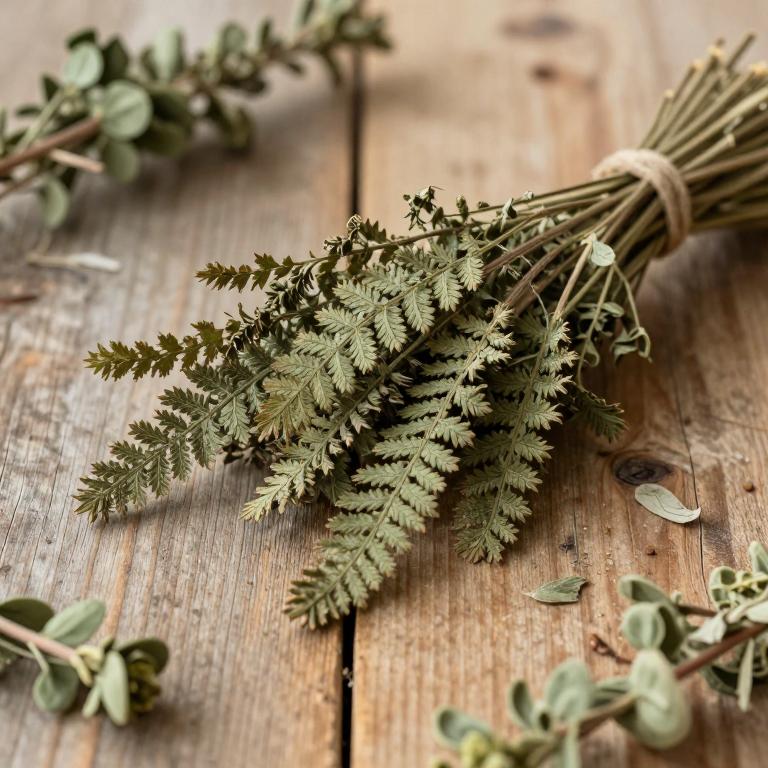
- Synonyms
- Osmundastrum Lanceum
- Common names
- Not available
- Family
- Osmundaceae
- Distribution
- Asia-Temperate
- Plant Parts
- Not available
Classification
Common Names
Osmunda lancea is a distinctive fern species that is widely recognized by several different names across various regions. In certain contexts, it is affectionately referred to by its common Japanese name, ヤシャゼンマイ. It is also frequently identified in botanical circles as 日本紫萁. These diverse naming conventions reflect the plant's cultural and linguistic importance in different areas. Understanding these various monikers helps enthusiasts correctly identify this unique specimen in the wild.
Sources: Catalogue of Life (COL)
Synonyms
Osmunda lancea is a distinctive fern that is often identified by its elegant, elongated fronds. In botanical literature, you may encounter this species referred to by its synonym, Osmundastrum lanceum. While the names differ, they both point to the same unique plant within the Osmundaceae family. Recognizing both terms is essential for researchers and enthusiasts navigating various taxonomic databases. Understanding these nomenclatural relationships ensures accuracy when studying the evolutionary history of this fern.
Sources: The World Checklist of Vascular Plants (WCVP)
Taxonomy
Osmunda lancea is a fascinating specimen that belongs to the vast kingdom Plantae. Within this biological realm, it is classified under the class Equisetopsida. The plant further falls into the order Osmundales, showcasing its specific evolutionary lineage. It is a distinguished member of the genus Osmunda, which highlights its unique structural characteristics. Finally, this species is a prominent representative of the family Osmundaceae.
| Rank | Classification |
|---|---|
| Kingdom | Plantae |
| Phylum | Streptophyta |
| Class | Equisetopsida |
| Subclass | Polypodiinae |
| Order | Osmundales |
| Family | Osmundaceae |
| Genus | Osmunda |
Sources: The World Checklist of Vascular Plants (WCVP)
Distribution
Geographic Regions
Osmunda lancea is a distinctive fern species primarily found across the Asia-temperate regions. Its natural range is most notably concentrated within Eastern Asia, where it thrives in specific environmental niches. Within this geographic stretch, Japan serves as a key location for observing its growth in the wild. Understanding these distribution patterns is essential for botanists studying the plant's ecological requirements. Consequently, its presence in these specific locales highlights the unique biodiversity found throughout the East Asian landscape.
Sources: The World Checklist of Vascular Plants (WCVP)
Identification
Biological Activities
Compounds
Conditions
Osmunda lancea demonstrates potential anti-herpetic activity against both types of the herpes simplex virus. Specifically, the methanol extract of the aerial part of Osmundae Rhizoma exhibits an ability to treat HSV-1. This plant also shows measurable effectiveness in treating HSV-2. Research utilizing a cytopathic effect inhibition assay confirms these antiviral properties. These findings highlight the plant's capacity to combat both HSV-1 and HSV-2 infections.