Eight Stamen Osbeckia
Osbeckia octandra · Accepted scientific name
Scientific literature: Very Sparse (15 studies) · ★☆☆☆☆
Eight Stamen Osbeckia, scientifically known as Osbeckia octandra, is a versatile medicinal plant native to Southeast Asia. Renowned for its vibrant blooms, this species is deeply integrated into traditional healing practices. It is primarily utilized for its potent bioactive compounds, offering therapeutic benefits in treating various inflammatory and systemic ailments.
- Family
- Melastomataceae
- Native range
- Africa
- Parts used
- Leaf
- Common names
- Eight Stamen Osbeckia
- Scientific synonyms
- Asterostoma Octandra · Melastoma Octandrum · 2 more
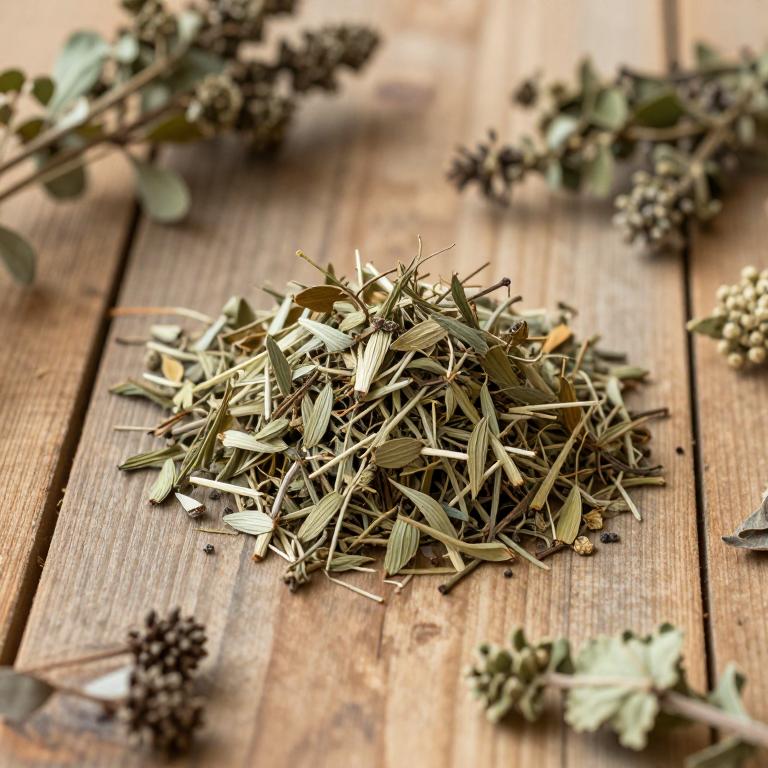
Names and Synonyms
Common Names
- Eight Stamen Osbeckia
Scientific Names
Accepted name
Osbeckia octandraSynonyms
- Asterostoma octandra
- Melastoma octandrum
- Osbeckia polycephala
- Osbeckia simsii
Sources: Wikidata, Catalogue of Life
Taxonomical Classification
This plant, Osbeckia octandra, belongs to the kingdom Plantae and is classified under the phylum Streptophyta and class Equisetopsida. Within the subclass Magnoliidae, it is placed in the order Myrtales and the family Melastomataceae. Finally, it is categorized under the genus Osbeckia.
| Rank | Classification |
|---|---|
| Kingdom | Plantae |
| Phylum | Streptophyta |
| Class | Equisetopsida |
| Subclass | Magnoliidae |
| Order | Myrtales |
| Family | Melastomataceae |
| Genus | Osbeckia |
Sources: The World Checklist of Vascular Plants (WCVP)
Distribution
This plant exhibits a specific and limited geographical distribution across two distinct regions. Within the Western Indian Ocean, it can be found growing in Mauritius. Additionally, its range extends to the Indian Subcontinent. Specifically, it is native to the island nation of Sri Lanka. These two locations represent the primary habitats where the species is documented to occur.
| Region | Area |
|---|---|
| Western Indian Ocean | Mauritius |
| Indian Subcontinent | Sri Lanka |
Sources: The World Checklist of Vascular Plants (WCVP)
Plant Parts
Osbeckia octandra has 1 reported plant parts identified across 1 scientific publications and several other databases that are studied for medicinal purposes. The most consistently reported plant part include leaf.
| Plant part | Supporting sources | Consensus |
|---|---|---|
| Leaf | 1 supporting sources | ★☆☆☆☆ |
Leaf
- ACS omega
Chemicals
Osbeckia octandra has 2 reported phytochemicals identified across 1 scientific publications and several other databases. The most consistently reported chemicals include Casuarinin, Lupeol.
| Chemical | Supporting sources | Consensus |
|---|---|---|
| Casuarinin | 1 supporting sources | ★☆☆☆☆ |
| Lupeol | 1 supporting sources | ★☆☆☆☆ |
Casuarinin
- ACS omega
Lupeol
- ACS omega
Activities
Osbeckia octandra has 3 reported activities identified across 1 scientific publications and several other databases. The most consistently reported activities include Antioxidant, Hepatoprotective, Neuroprotective.
| Activity | Supporting sources | Consensus |
|---|---|---|
| Antioxidant | 2 supporting sources | ★☆☆☆☆ |
| Hepatoprotective | 1 supporting sources | ★☆☆☆☆ |
| Neuroprotective | 1 supporting sources | ★☆☆☆☆ |
Antioxidant
- BMC complementary medicine and therapies
- ACS omega
Hepatoprotective
- BMC complementary medicine and therapies
Neuroprotective
- ACS omega
Conditions
Osbeckia octandra has 7 reported investigations on conditions identified across 1 scientific publications and several other databases. The most consistently reported conditions include Oxidative stress, dyslipidemia, dyslipidemias, hepatic steatosis, jaundice.
| Condition | Supporting sources | Consensus |
|---|---|---|
| Oxidative stress | 1 supporting sources | ★☆☆☆☆ |
| Dyslipidemia | 1 supporting sources | ★☆☆☆☆ |
| Dyslipidemias | 1 supporting sources | ★☆☆☆☆ |
| Hepatic steatosis | 1 supporting sources | ★☆☆☆☆ |
| Jaundice | 1 supporting sources | ★☆☆☆☆ |
| Neuroinflammation | 1 supporting sources | ★☆☆☆☆ |
| Steatohepatitis | 1 supporting sources | ★☆☆☆☆ |
Oxidative stress
- ACS omega
Dyslipidemia
- BMC complementary medicine and therapies
Dyslipidemias
- BMC complementary medicine and therapies
Hepatic steatosis
- BMC complementary medicine and therapies
Jaundice
- Xenobiotica; the fate of foreign compounds in biological systems
Neuroinflammation
- ACS omega
Steatohepatitis
- BMC complementary medicine and therapies
Preparations
Osbeckia octandra has 5 reported preparations identified across 1 scientific publications and several other databases. The most consistently reported preparations include aqueous extracts, aqueous extracts (AEs), ethanol, ethyl acetate, petroleum ether.
| Preparation | Supporting sources | Consensus |
|---|---|---|
| Aqueous extracts | 1 supporting sources | ★☆☆☆☆ |
| Aqueous extracts (aes) | 1 supporting sources | ★☆☆☆☆ |
| Ethanol | 1 supporting sources | ★☆☆☆☆ |
| Ethyl acetate | 1 supporting sources | ★☆☆☆☆ |
| Petroleum ether | 1 supporting sources | ★☆☆☆☆ |
Aqueous extracts
- General pharmacology
Aqueous extracts (aes)
- BMC complementary medicine and therapies
Ethanol
- ACS omega
Ethyl acetate
- ACS omega
Petroleum ether
- ACS omega