Oryza
Oryza · Accepted scientific name
Scientific literature: Very Sparse (0 studies) · ★☆☆☆☆
Oryza is a vital genus of grasses that serves as the foundational source of rice for much of the global population. Through various cultivation methods, these plants are transformed into a versatile staple that sustains billions of people daily. Depending on the specific species and processing techniques used, the resulting grains can be prepared in countless culinary ways. From steaming fluffy white grains to simmering savory risottos, the preparations of this plant are central to diverse food cultures. Ultimately, the study of Oryza reveals the incredible intersection of agricultural science and human nutrition.
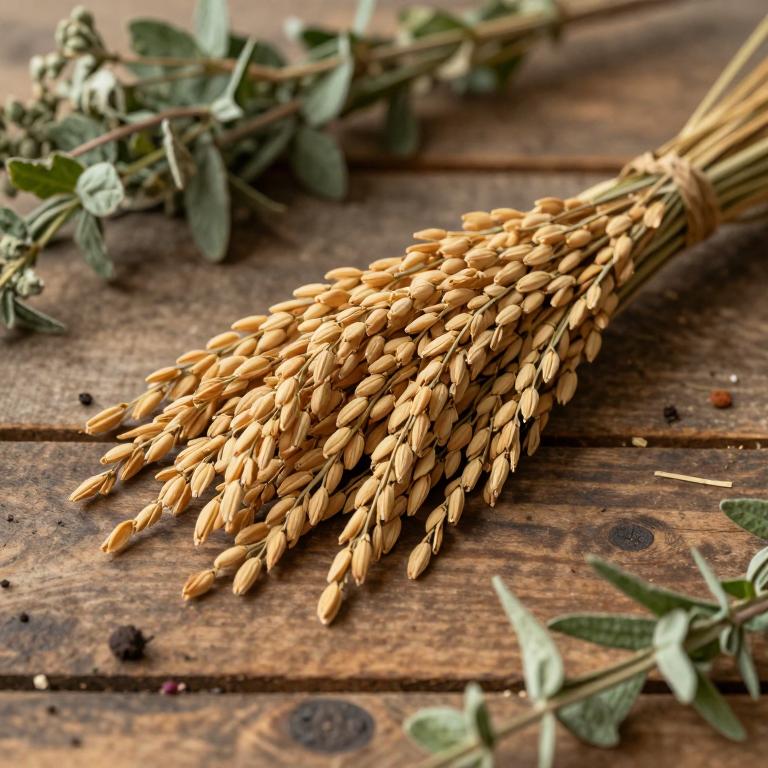
- Synonyms
- Padia · Porteresia
- Common names
- Not available
- Family
- Poaceae
- Distribution
- Not available
- Plant Parts
- Not available
Classification
Common Names
Oryza is a versatile crop that carries a diverse array of regional names across various languages and cultures. In some parts of the world, it is commonly referred to as Arroces, while others know it simply as Riz. Moving through different linguistic landscapes, the plant is also identified as Riisit or Ryż. In specific contexts, the name Ryžiai is utilized to denote this essential grain. These varied designations all point to the same fundamental plant that sustains populations globally.
Sources: Catalogue of Life (COL)
Synonyms
Oryza represents a complex botanical genus that has been categorized under various scientific names throughout history. Within taxonomic literature, the name Padia is recognized as a formal synonym for this significant group of plants. Similarly, the term Porteresia serves as another historical synonym used to describe members of the Oryza lineage. These overlapping classifications reflect the evolving nature of botanical research and systematic grouping. Understanding these relationships is essential for anyone studying the diverse nomenclature of the genus.
Sources: The World Checklist of Vascular Plants (WCVP)
Taxonomy
Oryza belongs to the vast kingdom Plantae, representing a fundamental part of the living world. Within this kingdom, it is classified under the class Equisetopsida and the order Poales. This lineage places the plant firmly within the family Poaceae, a group known for its diverse grasses. More specifically, it is defined by its own dedicated genus, Oryza. Through these taxonomic layers, we can understand the biological identity and evolutionary placement of this essential plant.
| Rank | Classification |
|---|---|
| Kingdom | Plantae |
| Phylum | Streptophyta |
| Class | Equisetopsida |
| Subclass | Magnoliidae |
| Order | Poales |
| Family | Poaceae |
| Genus | Oryza |
Sources: The World Checklist of Vascular Plants (WCVP)
Distribution
Geographic Regions
Oryza exhibits a broad geographic presence across the African continent, spanning diverse ecological zones. In East Tropical Africa, the species is notably distributed throughout Kenya, Tanzania, and Uganda. Its reach extends further into Northeast Tropical Africa, where it can be found within the borders of Chad. Beyond the mainland, the plant also inhabits the Macaronesia region, specifically within the Canary Islands. This wide-ranging distribution highlights the adaptable nature of Oryza across varied African landscapes.
Sources: The World Checklist of Vascular Plants (WCVP)
Identification
Biological Activities
Compounds
Conditions
Preparations
Oryza is prepared as rice, a dietary component identified through palynological analysis of a Korean mummy's intestinal contents. This specific economic pollen type was among the various dietary sources recovered from the decedent's coprolite. The presence of Oryza pollen indicates that rice was a part of the high-ranking general's nutritional intake. By identifying such pollen, researchers can reconstruct the specific foods consumed by individuals in historical contexts. Consequently, the classification of Oryza as rice highlights its role as a primary dietary staple in this forensic study.