Orthosiphon
Orthosiphon · Accepted scientific name
Scientific literature: Very Sparse (0 studies) · ★☆☆☆☆
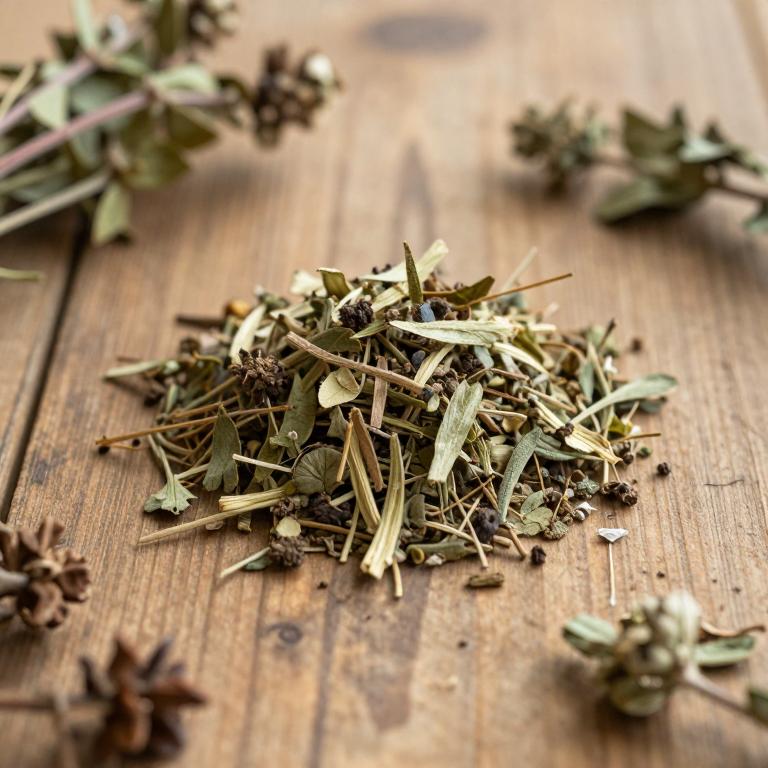
Orthosiphon is a versatile genus of flowering plants often recognized for its significant medicinal properties. Many people utilize this plant by brewing it into a soothing Orthosiphon tea to support various wellness goals. While it offers numerous benefits, it is important to note that the plant naturally contains oxalate. This chemical component means that moderation is essential when incorporating the tea into a regular routine. Understanding these natural compositions helps enthusiasts enjoy the plant safely and effectively.
- Synonyms
- Clerodendranthus
- Common names
- Not available
- Family
- Lamiaceae
- Distribution
- Not available
- Plant Parts
- Not available
Classification
Common Names
Orthosiphon is a versatile plant known by a diverse array of names across different cultures and languages. In certain regions, it is affectionately referred to by its common name, Böyrəkotu. Those familiar with German terminology might recognize it as Katzenbart, while it is sometimes called Piccadills in other circles. The plant also carries the name Trubkovec, reflecting its unique structural characteristics. Finally, it is widely identified in Cyrillic script as Ортосифон, showcasing its truly international identity.
Sources: Catalogue of Life (COL)
Synonyms
Orthosiphon is a genus of plants that is frequently discussed within the botanical community. It is important for researchers to note that this genus is also known by its synonym, Clerodendranthus. Recognizing these overlapping names ensures accuracy when documenting various species in scientific literature. This nomenclatural connection helps bridge the gap between historical classifications and modern taxonomic studies. Understanding these relationships is essential for anyone studying the diverse evolutionary history of these plants.
Sources: The World Checklist of Vascular Plants (WCVP)
Taxonomy
Orthosiphon belongs to the expansive kingdom Plantae, representing a diverse group of multicellular organisms. Within this realm, the plant is classified under the class Equisetopsida, placing it among the fundamental vascular structures. It specifically falls under the order Lamiales, which helps define its structural characteristics. Further narrowing its identity, the plant is a member of the Lamiaceae family, a group often noted for its aromatic qualities. Ultimately, its taxonomic journey concludes within its own namesake genus, Orthosiphon.
| Rank | Classification |
|---|---|
| Kingdom | Plantae |
| Phylum | Streptophyta |
| Class | Equisetopsida |
| Subclass | Magnoliidae |
| Order | Lamiales |
| Family | Lamiaceae |
| Genus | Orthosiphon |
Sources: The World Checklist of Vascular Plants (WCVP)
Distribution
Geographic Regions
Orthosiphon exhibits a diverse distribution pattern throughout the African continent, particularly within its tropical regions. In East Tropical Africa, the genus can be found flourishing in Kenya, Tanzania, and Uganda. Its presence extends further into Northeast Tropical Africa, establishing roots in countries such as Chad and Djibouti. This widespread range highlights the plant's ability to adapt to various ecological niches across these distinct territories. Understanding these specific geographic relationships provides valuable insight into the natural habitat of the species.
Sources: The World Checklist of Vascular Plants (WCVP)
Identification
Biological Activities
Compounds
Conditions
Preparations
Orthosiphon is prepared as Orthosiphon tea to influence urinary stone formation. This tea can help prevent uric acid and uric acid-containing stones by increasing urine alkalinity. However, the preparation may also lead to the excretion of oxalate, potentially increasing the risk of stone formation. While the tea shows promise for prevention, its effects on healthy individuals may differ from those on stone patients. Ultimately, drinking Orthosiphon tea is viewed as a potentially beneficial method for preventing uric acid stones.