Orophea enneandra
Orophea enneandra · Accepted scientific name
Scientific literature: Very Sparse (8 studies) · ★☆☆☆☆
Orophea enneandra, scientifically known as Orophea enneandra, is a remarkable medicinal plant valued for its unique therapeutic properties. Found in specific tropical ecosystems, this botanical treasure offers significant potential in traditional healing practices. Exploring its chemical composition reveals fascinating possibilities for modern pharmacology and holistic wellness treatments worldwide.
- Family
- Annonaceae
- Native range
- Asia-Tropical
- Parts used
- Leaf
- Common names
- Not available
- Scientific synonyms
- Bocagea Enneandra
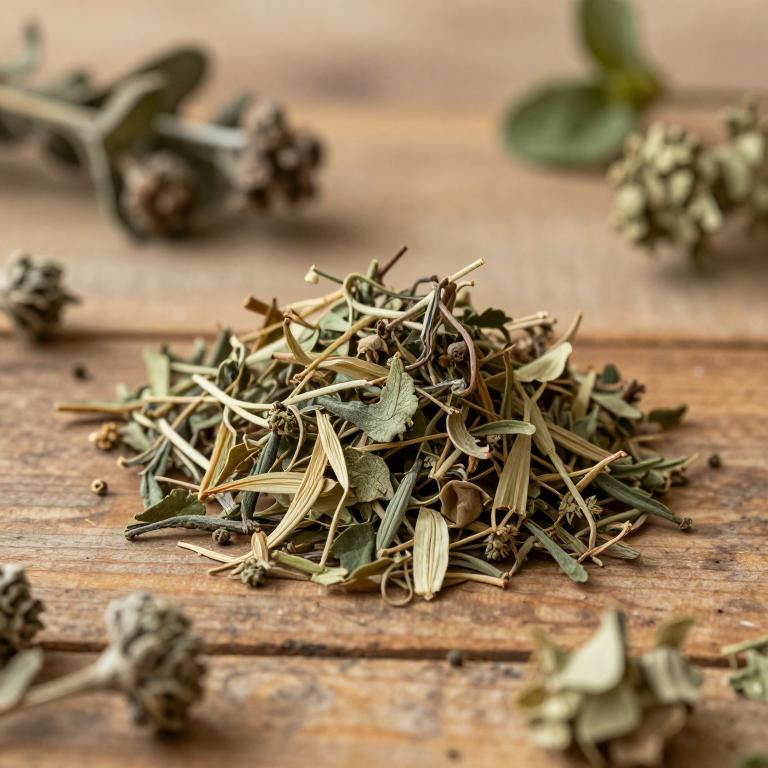
Names and Synonyms
Scientific Names
Accepted name
Orophea enneandraSynonyms
- Bocagea enneandra
Sources: Wikidata
Taxonomical Classification
This plant belongs to the kingdom Plantae and is classified within the phylum Streptophyta and the class Equisetopsida. It is further organized under the subclass Magnoliidae and the order Magnoliales, falling into the family Annonaceae. Ultimately, it is identified by its specific genus, Orophea, and species name, enneandra.
| Rank | Classification |
|---|---|
| Kingdom | Plantae |
| Phylum | Streptophyta |
| Class | Equisetopsida |
| Subclass | Magnoliidae |
| Order | Magnoliales |
| Family | Annonaceae |
| Genus | Orophea |
Sources: The World Checklist of Vascular Plants (WCVP)
Distribution
This plant is widely distributed across the tropical regions of Malesia. Specifically, its presence can be found within the lush landscapes of Borneo. It also thrives across the diverse ecosystems of Jawa. Furthermore, the species extends its range to the island of Sulawesi. These locations highlight the specific geographical footprint of Orophea enneandra within the Malay Archipelago.
| Region | Area |
|---|---|
| Malesia | Borneo |
| Malesia | Jawa |
| Malesia | Sulawesi |
Sources: The World Checklist of Vascular Plants (WCVP)
Botanical Identification
Morphology
The morphology of Orophaea enneandra is characterized by its growth habit as a woody climber, exhibiting a robust and persistent structure. It functions as a self-supporting liana and vine, utilizing its woody stems to navigate its environment. Depending on the specific developmental context, its climbing nature can be described through both obligatory and facultative mechanisms, allowing it to ascend and secure itself within its habitat as a self-supporting plant.
- Climber :
- self-supporting
- Woodiness :
- woody
Sources: Global Inventory of Floras and Traits (GIFT)
Plant Parts
Orophea enneandra has 1 reported plant parts identified across 1 scientific publications and several other databases that are studied for medicinal purposes. The most consistently reported plant part include leaf.
| Plant part | Supporting sources | Consensus |
|---|---|---|
| Leaf | 1 supporting sources | ★☆☆☆☆ |
Leaf
- Journal of natural products
Chemicals
Orophea enneandra has 4 reported phytochemicals identified across 1 scientific publications and several other databases. The most consistently reported chemicals include (-)-Epieudesmin, (-)-Eudesmin, (-)-Phylligenin, Polycerasoidol.
| Chemical | Supporting sources | Consensus |
|---|---|---|
| (-)-Epieudesmin | 1 supporting sources | ★☆☆☆☆ |
| (-)-Eudesmin | 1 supporting sources | ★☆☆☆☆ |
| (-)-Phylligenin | 1 supporting sources | ★☆☆☆☆ |
| Polycerasoidol | 1 supporting sources | ★☆☆☆☆ |
(-)-Epieudesmin
- Journal of natural products
(-)-Eudesmin
- Journal of natural products
(-)-Phylligenin
- Journal of natural products
Polycerasoidol
- Journal of natural products
Activities
Orophea enneandra has 2 reported activities identified across 1 scientific publications and several other databases. The most consistently reported activities include Antifungal, Antioxidant.
| Activity | Supporting sources | Consensus |
|---|---|---|
| Antifungal | 1 supporting sources | ★☆☆☆☆ |
| Antioxidant | 1 supporting sources | ★☆☆☆☆ |
Antifungal
- Journal of natural products
Antioxidant
- Journal of natural products
Conditions
Orophea enneandra has 1 reported investigations on conditions identified across 1 scientific publications and several other databases. The most consistently reported conditions include antioxidant.
| Condition | Supporting sources | Consensus |
|---|---|---|
| Antioxidant | 1 supporting sources | ★☆☆☆☆ |
Antioxidant
- Journal of natural products
Preparations
Orophea enneandra has 1 reported preparations identified across 1 scientific publications and several other databases. The most consistently reported preparations include CH2Cl2 extract of the leaves.
| Preparation | Supporting sources | Consensus |
|---|---|---|
| Ch2cl2 extract of the leaves | 1 supporting sources | ★☆☆☆☆ |
Ch2cl2 extract of the leaves
- Journal of natural products