Ormosia yunnanensis
Ormosia yunnanensis · Accepted scientific name
Scientific literature: Very Sparse (2 studies) · ★☆☆☆☆
Ormosia yunnanensis, scientifically known as Ormosia yunnanensis, is a significant medicinal plant native to specific subtropical regions. Renowned for its bioactive compounds, it is traditionally utilized in various folk remedies to treat inflammatory conditions and skin ailments. This species holds great potential for pharmacological research and natural therapeutic development.
- Family
- Not available
- Native range
- Asia-Temperate
- Parts used
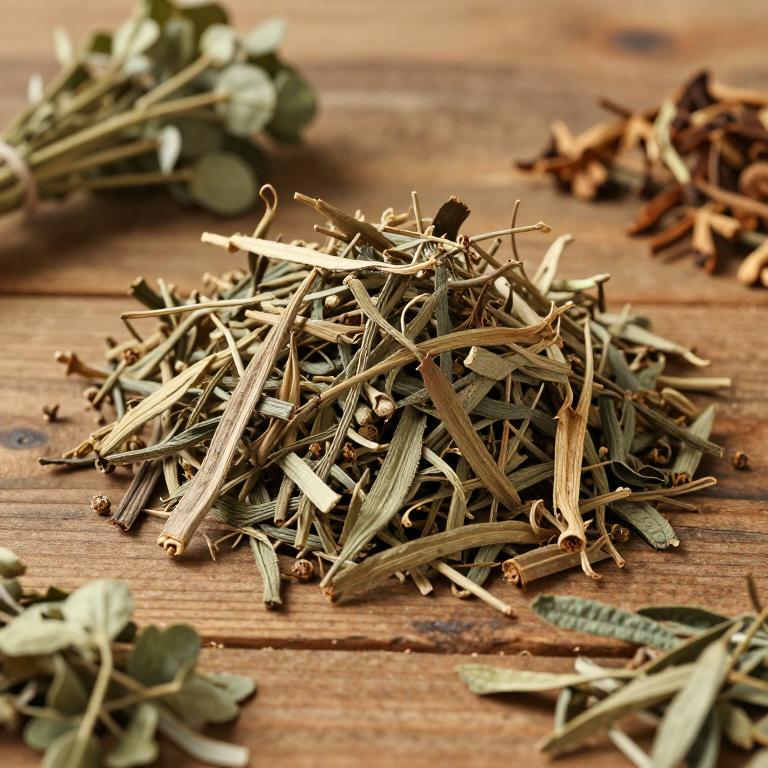
- Leaf · Stem
- Common names
- Not available
- Scientific synonyms
- Not available
Names and Synonyms
Scientific Names
Accepted name
Ormosia yunnanensisDistribution
This plant is primarily found within the specific ecological regions of China. Its geographical range is concentrated in the South-Central part of the country. Within these areas, the species thrives in particular habitats suitable for its growth. Because of this localized presence, it is considered a characteristic flora of the South-Central Chinese landscape. Therefore, its distribution remains restricted to these specific southern territories.
| Region | Area |
|---|---|
| China | China South-Central |
Sources: The World Checklist of Vascular Plants (WCVP)
Botanical Identification
Morphology
The morphology of Ormosia yunnanensis is characterized by its robust, woody growth habit, forming a perennial structure typical of its genus. The plant exhibits a woody stem system that provides structural integrity and supports its branching architecture. The foliage consists of compound leaves, which are arranged alternately along the woody branches, featuring leaflets that are typically elliptical or ovate in shape with entire margins. The reproductive structures consist of inflorescences that bear distinctive seeds, often notable for their bright, contrasting colors which are characteristic of the Fabaceae family. The overall vegetative form is defined by its permanent, lignified tissues, distinguishing it from herbaceous species through its solid, woody framework.
- Woodiness :
- woody
Physiology
The physiology of Ormosia yunnanensis is characterized by robust structural development and specific biomass allocation strategies that support its growth in its natural habitat. A critical physiological parameter of its vegetative architecture is its stem specific density (SSD), which serves as a key indicator of the plant's mechanical strength and hydraulic efficiency. The stem specific density (SSD) of this species reaches an SSD_mean of 764 mg/cm³, reflecting a dense cellular arrangement within the xylem and secondary tissues. This high density suggests a sophisticated physiological adaptation to maintain structural integrity and optimize the transport of water and nutrients through its vascular system, contributing to the overall resilience and longevity of the plant's woody framework.
- Stem specific density (SSD) mean:
- 764 mg/cm³
Sources: Global Inventory of Floras and Traits (GIFT)
Plant Parts
Ormosia yunnanensis has 2 reported plant parts identified across 2 scientific publications and several other databases that are studied for medicinal purposes. The most consistently reported plant part include leaf, stem.
| Plant part | Supporting sources | Consensus |
|---|---|---|
| Leaf | 1 supporting sources | ★☆☆☆☆ |
| Stem | 1 supporting sources | ★☆☆☆☆ |
Leaf
- Journal of natural products
Stem
- Journal of natural products