Origanum × majoricum
Origanum × majoricum · Accepted scientific name
Scientific literature: Very Sparse (0 studies) · ★☆☆☆☆
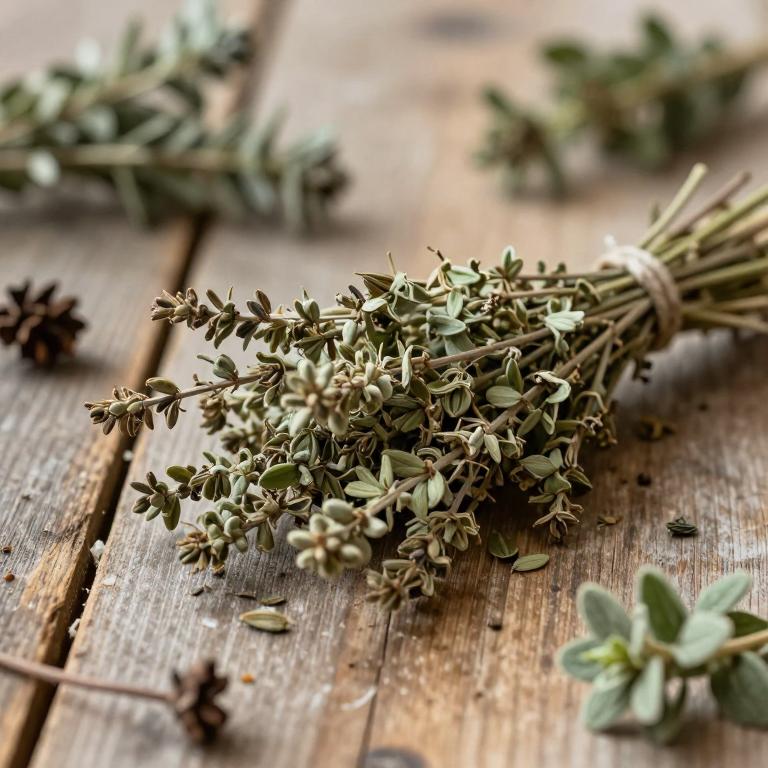
Origanum × majoricum is a captivating hybrid plant that beautifully blends the aromatic qualities of oregano and marjoram. This versatile cultivar is highly valued in both culinary and medicinal applications due to its robust scent profile. One of its most significant biological components is rosmarinic acid, a powerful antioxidant found within its leaves. This chemical compound contributes to the plant's impressive health benefits and distinct flavor characteristics. Whether grown for a kitchen garden or therapeutic use, it remains a standout choice for plant enthusiasts.
- Synonyms
- Majorana × Majorica · Origanum × Majoricum Var. Lusitanicum · 7 more
- Common names
- Not available
- Family
- Lamiaceae
- Distribution
- Not available
- Plant Parts
- Not available
Classification
Common Names
Origanum × majoricum is a versatile herb often recognized by multiple distinct names in various culinary circles. It is frequently referred to as common Italian oregano, a title that highlights its robust and aromatic profile. However, many gardeners and herbalists prefer to call it common hardy sweet marjoram to emphasize its sweeter, more delicate notes. These overlapping names can sometimes cause confusion, yet both terms accurately describe the essence of this hybrid plant. Understanding these different identities allows enthusiasts to better navigate its unique role in both the garden and the kitchen.
Sources: Catalogue of Life (COL)
Synonyms
Origanum × majoricum is a complex botanical entity that is recognized by several different taxonomic synonyms. Within scientific literature, it has been referred to as Amaracus × majorica and Majorana × majorica. The plant is also identified under the name Origanum × acinifolium in various contexts. Furthermore, its classification includes the designation Origanum × applii subsp. majoricum. Finally, the name Origanum × balearicum serves as another synonym used to describe this specific hybrid.
Sources: The World Checklist of Vascular Plants (WCVP)
Taxonomy
Origanum × majoricum belongs to the expansive kingdom Plantae, representing a diverse branch of the living world. Within this kingdom, it is classified under the class Equisetopsida, highlighting its fundamental botanical structure. The plant is further organized into the order Lamiales, a group known for its distinct morphological characteristics. As a member of the Lamiaceae family, it shares common traits with many well-known aromatic herbs. Ultimately, this species is defined by its placement within the genus Origanum, which anchors its scientific identity.
| Rank | Classification |
|---|---|
| Kingdom | Plantae |
| Phylum | Streptophyta |
| Class | Equisetopsida |
| Subclass | Magnoliidae |
| Order | Lamiales |
| Family | Lamiaceae |
| Genus | Origanum |
Sources: The World Checklist of Vascular Plants (WCVP)
Distribution
Geographic Regions
Origanum × majoricum is a plant primarily distributed across the diverse landscapes of Europe. Within this broad range, it is most notably found throughout Southwestern Europe. Its presence is particularly strong in the coastal and inland regions of Spain and Portugal. Additionally, the species can be found growing in the unique environment of the Baleares. Together, these locations define the specific geographic footprint of this aromatic plant.
Sources: The World Checklist of Vascular Plants (WCVP)
Identification
Biological Activities
Compounds
Origanum × majoricum stands out among culinary herbs due to its notably high antioxidant capacity and total phenolic content. Research utilizing high-performance liquid chromatography has identified the specific chemical makeup responsible for these impressive properties. Notably, rosmarinic acid was found to be the predominant phenolic compound within this particular plant species. This presence of rosmarinic acid contributes to the herb's significant oxygen radical absorbance capacity (ORAC) values. Such findings highlight the botanical importance of Origanum × majoricum in the study of antioxidant-rich medicinal and culinary flora.