Origanum vulgare subsp. vulgare
Origanum vulgare subsp. vulgare · Accepted scientific name
Scientific literature: Very Sparse (1 studies) · ★☆☆☆☆
Origanum vulgare subsp. vulgare, commonly known as oregano, is a versatile botanical species recognized for its significant therapeutic potential. Scientific investigations have highlighted its robust biological activities, particularly its powerful antioxidant properties. Beyond its ability to combat oxidative stress, the plant also exhibits notable antispasmodic and antiviral effects. These medicinal qualities are most effectively accessed through various preparations, including essential oils and both methanolic and water extracts. Consequently, this subspecies remains a subject of intense interest for those exploring natural pharmacological solutions.
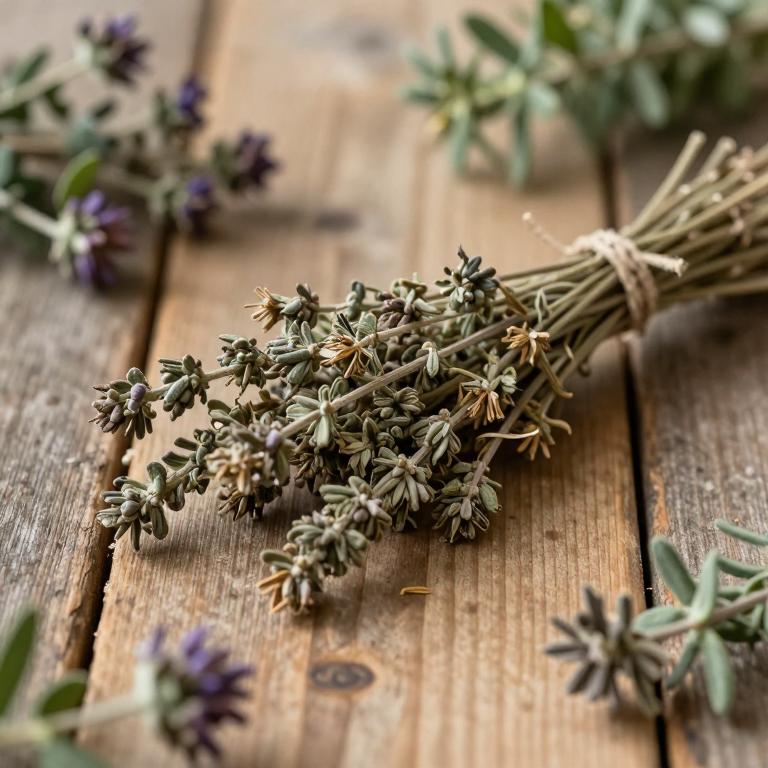
- Synonyms
- Oroga Heracleotica · Origanum Vulgare F. Pallidum · 50 more
- Common names
- Not available
- Family
- Lamiaceae
- Distribution
- Africa
- Plant Parts
- Not available
Classification
Common Names
Origanum vulgare subsp. vulgare is a versatile herb known by a variety of distinct regional and linguistic names. In English-speaking contexts, it is frequently referred to as European oregano, wild oregano, or wild marjoram. Those communicating in German often identify the plant as Gewöhnlicher Dost or simply Gewöhnlicher Dost (DE). Additionally, it carries the simple common name Dost in certain traditions. Regardless of the terminology used, this plant remains a widely recognized staple in both culinary and botanical circles.
Sources: Catalogue of Life (COL)
Synonyms
Origanum vulgare subsp. vulgare is a complex botanical subject characterized by a wide array of taxonomic synonyms. Within scientific literature, this subspecies has been identified under various names, including Mentha formosana and Micromeria formosana. It is also frequently associated with the nomenclature of Origanum albiflorum in different botanical contexts. Furthermore, historical classifications have linked it to Origanum americanum. Finally, the plant is recognized through the synonym Origanum anglicum, reflecting its diverse descriptive history.
Sources: The World Checklist of Vascular Plants (WCVP)
Taxonomy
Origanum vulgare subsp. vulgare belongs to the vast kingdom Plantae, representing a diverse group of multicellular organisms. Within this kingdom, it is classified under the class Equisetopsida, marking its place among the flowering plants. The specimen further belongs to the order Lamiales, a grouping that connects it to many other significant botanical species. It is a proud member of the genus Origanum, which defines its specific evolutionary lineage. Finally, this plant is situated within the Lamiaceae family, a group well-known for its aromatic characteristics.
| Rank | Classification |
|---|---|
| Kingdom | Plantae |
| Phylum | Streptophyta |
| Class | Equisetopsida |
| Subclass | Magnoliidae |
| Order | Lamiales |
| Family | Lamiaceae |
| Genus | Origanum |
Sources: The World Checklist of Vascular Plants (WCVP)
Distribution
Geographic Regions
Origanum vulgare subsp. vulgare exhibits a wide-ranging distribution across the Asia-Temperate region. Its presence is firmly established within the Caucasus and Transcaucasus, spanning both the North Caucasus and surrounding areas. The subspecies also thrives throughout Central Asia, with documented occurrences in Kazakhstan and Kirgizstan. Furthermore, its range extends eastward into the North-Central regions of China. This diverse geographical spread highlights the plant's ability to adapt to various environments across the Asian continent.
Sources: The World Checklist of Vascular Plants (WCVP)
Identification
Biological Activities
Origanum vulgare subsp. vulgare exhibits significant antioxidant activity, as demonstrated in recent studies evaluating Slovene medicinal plant species. Researchers utilized both traditional spectrophotometric assays and a novel, rapid biosensor based on immobilized fibroblast cells to measure free radical-scavenging capabilities. The investigation revealed that the effectiveness of these antioxidant properties can fluctuate depending on the extraction solvent and the specific testing method employed. Notably, the application of these plant extracts led to membrane hyperpolarization in cells, suggesting a reduction in oxidative damage. These findings highlight the potential of using cell-based biosensors as high-throughput tools for screening the beneficial bioactive compounds found in species like Origanum vulgare subsp. vulgare.
Compounds
Conditions
Origanum vulgare subsp. vulgare possesses valuable pharmacological compounds that provide antimicrobial and antioxidant benefits. This subspecies also exhibits anti-inflammatory properties through its essential oil content. Additionally, the plant demonstrates antispasmodic effects that contribute to its medicinal importance. Finally, it serves as an effective antiurolithic agent.
Preparations
Origanum vulgare subsp. vulgare is prepared as an essential oil containing important phenolic monoterpenes like thymol and carvacrol. The content and composition of this essential oil can be influenced by environmental factors such as salinity stress. Additionally, Origanum vulgare subsp. vulgare is prepared as methanolic and water extracts for medicinal use. These specific extracts are utilized to evaluate antioxidant activities through various biosensory assays. The effectiveness of the plant's biological activity is dependent on the solvent used during the extraction process.