Origanum vulgare gracile
Origanum vulgare subsp. gracile · Accepted scientific name
Scientific literature: Very Sparse (3 studies) · ★☆☆☆☆
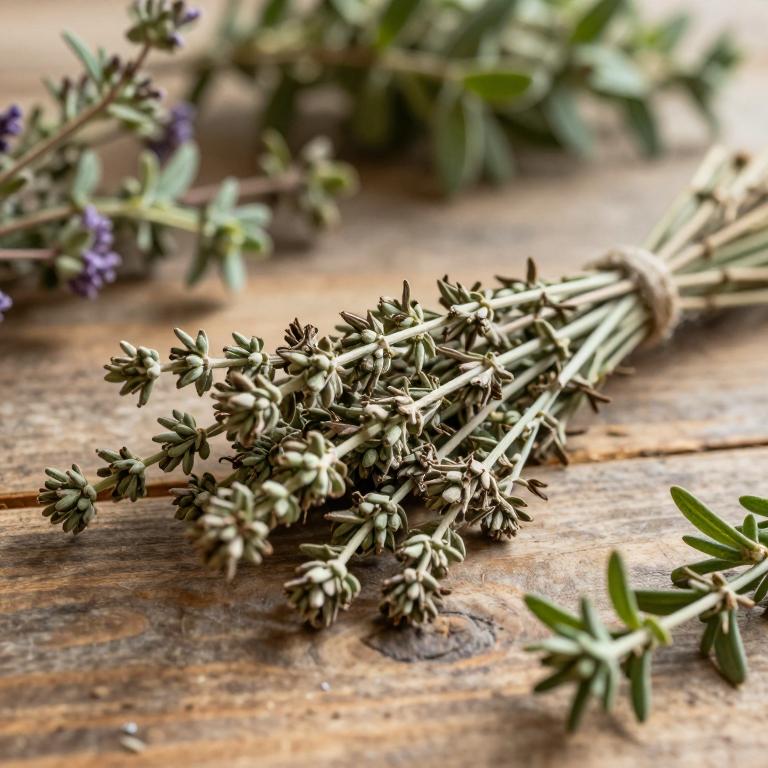
Origanum vulgare gracile, scientifically known as Origanum vulgare subsp. gracile, is a specialized subspecies of wild oregano valued for its potent medicinal properties. Rich in essential oils like carvacrol, it offers powerful antimicrobial and antioxidant benefits. Traditionally used to support respiratory health, this aromatic herb remains a botanical treasure.
- Family
- Lamiaceae
- Native range
- Asia-Temperate
- Parts used
- Not available
- Common names
- Origanum Vulgare Gracile · Russian Oregano
- Scientific synonyms
- Origanum Gracile · Origanum Kopetdaghense · 3 more
Names and Synonyms
Common Names
- Origanum vulgare gracile
- Russian oregano
Scientific Names
Accepted name
Origanum vulgare subsp. gracileSynonyms
- Origanum gracile
- Origanum kopetdaghense
- Origanum tyttanthum
- Origanum glaucum
- Origanum vulgare var. glaucum
Regional and Traditional Names
Spanish:
- Origanum vulgare gracile
French:
- Origanum vulgare gracile
Sources: Wikidata, Catalogue of Life
Taxonomical Classification
This plant belongs to the kingdom Plantae and the phylum Streptophyta, falling under the class Equisetopsida and subclass Magnoliidae. Within the order Lamiales and the family Lamiaceae, it is classified under the genus Origanum. Specifically, this medicinal species is identified as the subspecies gracile.
| Rank | Classification |
|---|---|
| Kingdom | Plantae |
| Phylum | Streptophyta |
| Class | Equisetopsida |
| Subclass | Magnoliidae |
| Order | Lamiales |
| Family | Lamiaceae |
| Genus | Origanum |
Sources: The World Checklist of Vascular Plants (WCVP)
Distribution
This plant exhibits a specific distribution pattern primarily concentrated within the regions of Central and Western Asia. In Central Asia, its presence is documented across several key countries, including Kyrgyzstan and Turkmenistan. It also thrives within the territories of Tajikistan and Uzbekistan. Furthermore, the range of this subspecies extends into Western Asia, specifically within Afghanistan. Consequently, its geographical footprint is defined by these interconnected arid and mountainous landscapes.
| Region | Area |
|---|---|
| Central Asia | Kirgizstan |
| Central Asia | Turkmenistan |
| Central Asia | Tadzhikistan |
| Central Asia | Uzbekistan |
| Western Asia | Afghanistan |
| Western Asia | Iran |
| Western Asia | Iraq |
| Western Asia | Türkiye |
| Indian Subcontinent | Pakistan |
| Indian Subcontinent | West Himalaya |
Sources: The World Checklist of Vascular Plants (WCVP)
Chemicals
Origanum vulgare subsp. gracile has 1 reported phytochemicals identified across 0 scientific publications and several other databases. The most consistently reported chemicals include CARVACROL.
| Chemical | Supporting sources | Consensus |
|---|---|---|
| CARVACROL | 2 supporting sources | ★☆☆☆☆ |
CARVACROL
- BMC plant biology
- Plant physiology and biochemistry : PPB