Origanum punonense
Origanum punonense · Accepted scientific name
Scientific literature: Very Sparse (13 studies) · ★☆☆☆☆
, scientifically known as Origanum punonense, is a rare and distinctive medicinal herb native to specific high-altitude regions. Renowned for its potent aromatic properties, this plant contains unique bioactive compounds. It is traditionally utilized in folk medicine for its antioxidant, antimicrobial, and anti-inflammatory benefits to support overall wellness.
- Family
- Lamiaceae
- Native range
- Asia-Temperate
- Parts used
- Not available
- Common names
- Not available
- Scientific synonyms
- Not available
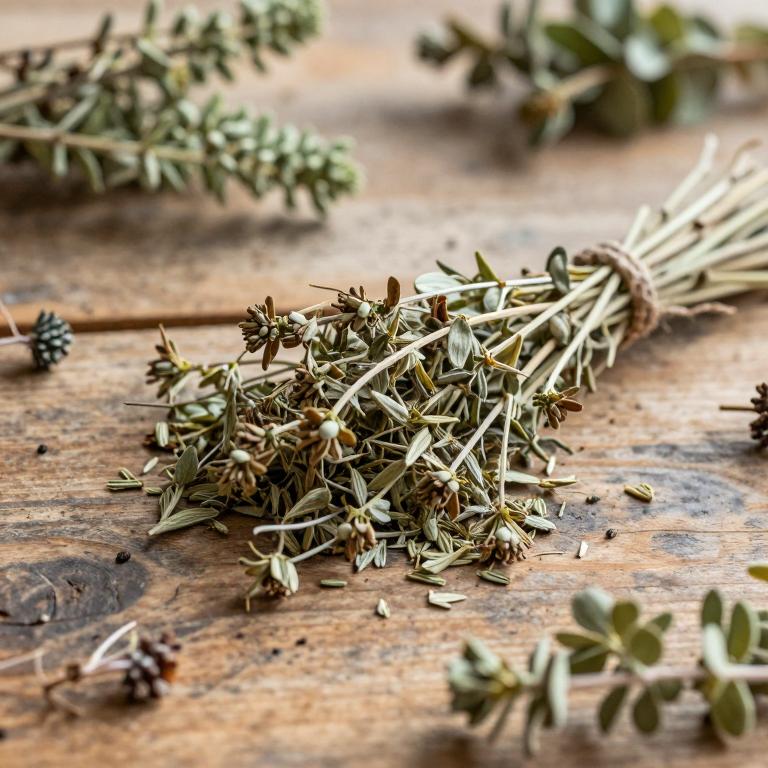
Names and Synonyms
Scientific Names
Accepted name
Origanum punonenseSources: Wikidata, Catalogue of Life
Taxonomical Classification
This plant, Origanum punonense, belongs to the kingdom Plantae and the phylum Streptophyta. Within the class Equisetopsida and subclass Magnoliidae, it is classified under the order Lamiales and the family Lamiaceae. Finally, it is categorized under the genus Origanum.
| Rank | Classification |
|---|---|
| Kingdom | Plantae |
| Phylum | Streptophyta |
| Class | Equisetopsida |
| Subclass | Magnoliidae |
| Order | Lamiales |
| Family | Lamiaceae |
| Genus | Origanum |
Sources: The World Checklist of Vascular Plants (WCVP)
Distribution
This plant, known scientifically as Origanum punonense, possesses a very specific and limited natural range. Its geographical distribution is primarily centered within the region of Western Asia. Specifically, this medicinal species can be found growing in the territory of Palestine. Because of this concentrated habitat, it is considered an endemic element of the local flora. Understanding this localized presence is essential for the conservation of the species in its native environment.
| Region | Area |
|---|---|
| Western Asia | Palestine |
Sources: The World Checklist of Vascular Plants (WCVP)
Botanical Identification
Morphology
The morphology of Origanum punonense is characterized by a growth form that functions as a subshrub, exhibiting a woody structure that provides physical support to its stems. It is categorized as a woody plant, distinguishing it from purely non-woody herbaceous species. In terms of its ecological habitat and moisture preference, it is classified as a terrestrial species, rather than being aquatic or semiaquatic. Furthermore, the plant functions as an independent organism, meaning it does not rely on a host for nutrients and operates without any parasitic relationship.
- Aquatic :
- terrestrial
- Growth form :
- shrub
- Growth form :
- subshrub
- Parasite :
- independent
- Woodiness :
- woody
Sources: Global Inventory of Floras and Traits (GIFT)
Chemicals
Origanum punonense has 5 reported phytochemicals identified across 0 scientific publications and several other databases. The most consistently reported chemicals include CARVACROL, CARVONE, P-CYMENE, PINENE, Terpinene.
| Chemical | Supporting sources | Consensus |
|---|---|---|
| CARVACROL | 1 supporting sources | ★☆☆☆☆ |
| CARVONE | 1 supporting sources | ★☆☆☆☆ |
| P-CYMENE | 1 supporting sources | ★☆☆☆☆ |
| PINENE | 1 supporting sources | ★☆☆☆☆ |
| Terpinene | 1 supporting sources | ★☆☆☆☆ |
CARVACROL
- BMC complementary medicine and therapies
CARVONE
- BMC complementary medicine and therapies
P-CYMENE
- BMC complementary medicine and therapies
PINENE
- BMC complementary medicine and therapies
Terpinene
- BMC complementary medicine and therapies
Activities
Origanum punonense has 4 reported activities identified across 0 scientific publications and several other databases. The most consistently reported activities include Antibacterial, Antifungal, Antimicrobial, Antiproliferative.
| Activity | Supporting sources | Consensus |
|---|---|---|
| Antibacterial | 1 supporting sources | ★☆☆☆☆ |
| Antifungal | 1 supporting sources | ★☆☆☆☆ |
| Antimicrobial | 1 supporting sources | ★☆☆☆☆ |
| Antiproliferative | 1 supporting sources | ★☆☆☆☆ |
Antibacterial
- BMC complementary medicine and therapies
Antifungal
- BMC complementary medicine and therapies
Antimicrobial
- BMC complementary medicine and therapies
Antiproliferative
- BMC complementary medicine and therapies
Conditions
Origanum punonense has 3 reported investigations on conditions identified across 0 scientific publications and several other databases. The most consistently reported conditions include cancer, diabetes mellitus, infections.
| Condition | Supporting sources | Consensus |
|---|---|---|
| Cancer | 1 supporting sources | ★☆☆☆☆ |
| Diabetes mellitus | 1 supporting sources | ★☆☆☆☆ |
| Infections | 1 supporting sources | ★☆☆☆☆ |
Cancer
- BMC complementary medicine and therapies
Diabetes mellitus
- BMC complementary medicine and therapies
Infections
- BMC complementary medicine and therapies
Preparations
Origanum punonense has 1 reported preparations identified across 0 scientific publications and several other databases. The most consistently reported preparations include essential oil.
| Preparation | Supporting sources | Consensus |
|---|---|---|
| Essential oil | 1 supporting sources | ★☆☆☆☆ |
Essential oil
- BMC complementary medicine and therapies