Origanum grosii
Origanum grosii · Accepted scientific name
Scientific literature: Very Sparse (3 studies) · ★☆☆☆☆
Origanum grosii is a noteworthy botanical species recognized for its diverse range of biological properties. Scientific investigations have highlighted its significant pharmacological potential, particularly regarding its analgesic and antioxidant activities. The plant also exhibits measurable hemolytic effects, which are essential for understanding its overall physiological impact. A key chemical constituent identified within the species is the bioactive compound known as Licoflavone C. These characteristics make Origanum grosii a subject of growing interest in the field of phytotherapy and natural product research.
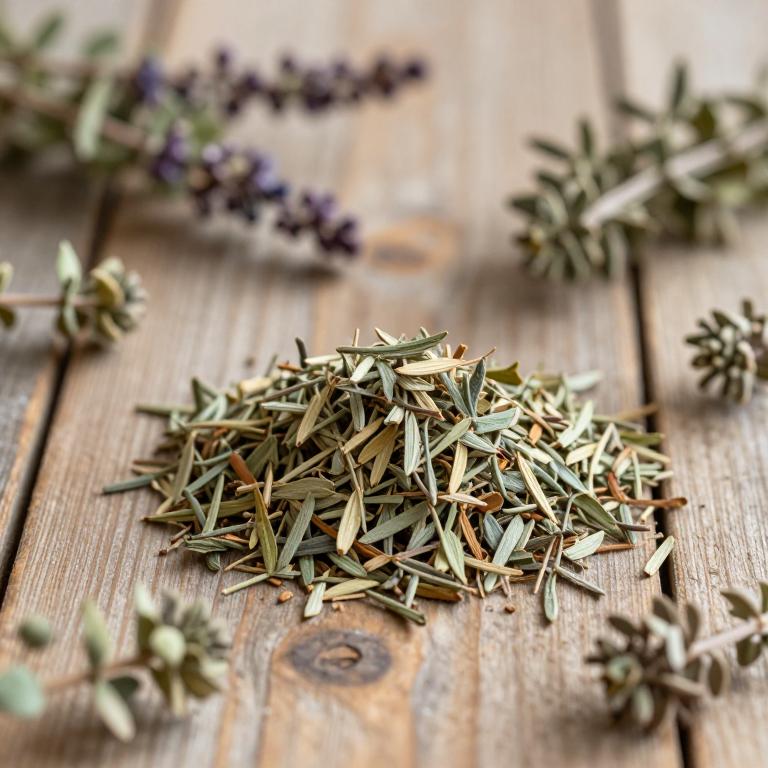
- Synonyms
- Not available
- Common names
- Not available
- Family
- Lamiaceae
- Distribution
- Northern America
- Plant Parts
- Not available
Classification
Taxonomy
Origanum grosii is a fascinating specimen that belongs to the kingdom Plantae. Within this vast biological realm, it is classified under the class Equisetopsida. The plant is further categorized into the order Lamiales, showcasing its evolutionary connections. It specifically falls under the family Lamiaceae, a group known for many aromatic species. Finally, this plant is defined by its membership in the genus Origanum.
| Rank | Classification |
|---|---|
| Kingdom | Plantae |
| Phylum | Streptophyta |
| Class | Equisetopsida |
| Subclass | Magnoliidae |
| Order | Lamiales |
| Family | Lamiaceae |
| Genus | Origanum |
Sources: The World Checklist of Vascular Plants (WCVP)
Distribution
Geographic Regions
Origanum grosii is a distinctive plant species with a specific geographic footprint. Its natural distribution is primarily concentrated within the African continent. Within this vast region, it can be found specifically throughout Northern Africa. Morocco serves as a key location where this plant thrives in its native habitat. Understanding these precise locations helps botanists map the ecological niche of the species.
Sources: The World Checklist of Vascular Plants (WCVP)
Identification
Biological Activities
Origanum grosii is a medicinal plant that demonstrates significant pharmacological potential through various biological activities. Research indicates that this species possesses strong antioxidant properties, as evidenced by its performance in DPPH, TAC, and FRAP assays. Furthermore, the plant exhibits notable analgesic effects, achieving a high writhes inhibition rate of approximately 97.83%. Studies also show that the extracts display limited hemolytic activity, remaining below 30% even at a concentration of 100 mg/mL. These diverse characteristics underscore the importance of Origanum grosii in ongoing pharmacological research and traditional medicine.
Compounds
Origanum grosii is a medicinal plant that has gained significant attention due to its diverse pharmacological potential. Recent phytochemical analyses using HPLC have identified licoflavone C as the primary compound within this species, accounting for 30% of its composition. This chemical profile contributes to the plant's impressive biological activities, including potent antioxidant and anti-inflammatory properties. Specifically, the extracts have demonstrated high efficacy in inhibiting edema and providing analgesic relief. Such findings underscore the importance of Origanum grosii and its constituent compounds in ongoing pharmacological research.