Origanum floribundum
Origanum floribundum · Accepted scientific name
Scientific literature: Very Sparse (9 studies) · ★☆☆☆☆
, scientifically known as Origanum floribundum, is a versatile Australian native herb prized for its aromatic properties. Often referred to as native oregano, this plant offers a unique flavor profile and contains potent antioxidant compounds. It is widely utilized in traditional wellness practices and contemporary culinary applications for its therapeutic benefits.
- Family
- Lamiaceae
- Native range
- Africa
- Parts used
- Not available
- Common names
- Not available
- Scientific synonyms
- Origanum Cinereum
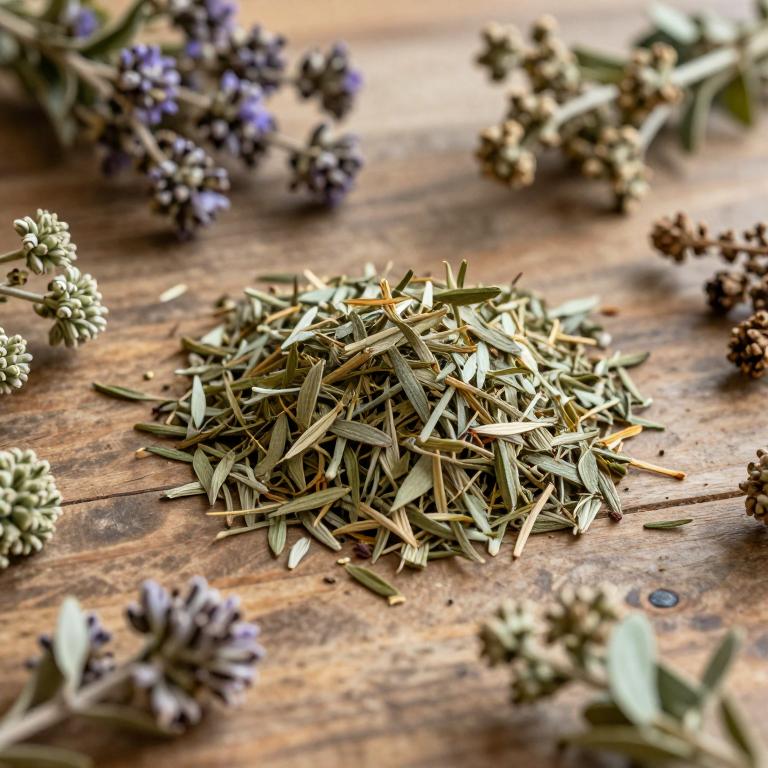
Names and Synonyms
Scientific Names
Accepted name
Origanum floribundumSynonyms
- Origanum cinereum
Sources: Wikidata
Taxonomical Classification
This plant, Origanum floribundum, belongs to the kingdom Plantae and the phylum Streptophyta. Within the class Equisetopsida and subclass Magnoliidae, it is further categorized under the order Lamiales and the family Lamiaceae. Finally, it is classified under the genus Origanum.
| Rank | Classification |
|---|---|
| Kingdom | Plantae |
| Phylum | Streptophyta |
| Class | Equisetopsida |
| Subclass | Magnoliidae |
| Order | Lamiales |
| Family | Lamiaceae |
| Genus | Origanum |
Sources: The World Checklist of Vascular Plants (WCVP)
Distribution
This plant, known scientifically as Origanum floribundum, possesses a very specific and limited range within the natural world. Its documented geographical presence is centered within the North African continent. Specifically, the species is found growing in the region of Algeria. Because its known habitat is so localized, it represents a unique component of the Algerian flora. Consequently, understanding its environmental needs in this particular area is essential for its conservation.
| Region | Area |
|---|---|
| Northern Africa | Algeria |
Sources: The World Checklist of Vascular Plants (WCVP)
Botanical Identification
Life history
The life history of Origanum floribundum is characterized by its classification as a hemicryptophyte, a growth form where the perennating buds are located at or just below the soil surface, protected by leaf litter or soil cover during unfavorable conditions. This botanical strategy allows the plant to persist through seasonal shifts, utilizing its underground structures to survive dormancy before re-emerging during favorable growing periods. Within the broader spectrum of life forms, it specifically aligns with the hemicryptophyte category, distinguishing its survival mechanism from other forms such as phanerophytes, chamaephytes, cryptophytes, or therophytes. This life history enables the species to maintain a perennial presence in its habitat, balancing seasonal vegetative growth with robust survival capabilities rooted in its specialized bud positioning.
- Life form :
- hemicryptophyte
Morphology
The morphology of Origanum floribundum is characterized by its specific growth habit and ecological positioning. As a climbing plant, it functions as a self-supporting climber, utilizing its structural integrity to ascend without the strict necessity of external hosts. It is an independent organism in terms of its nutritional requirements, existing as a non-parasitic species that does not rely on other plants for sustenance. Furthermore, its life form is terrestrial, meaning it establishes its root systems in the ground rather than growing as an epiphyte upon other vegetation.
- Climber :
- self-supporting
- Epiphyte :
- terrestrial
- Parasite :
- independent
Sources: Global Inventory of Floras and Traits (GIFT)
Chemicals
Origanum floribundum has 2 reported phytochemicals identified across 0 scientific publications and several other databases. The most consistently reported chemicals include P-CYMENE, THYMOL.
| Chemical | Supporting sources | Consensus |
|---|---|---|
| P-CYMENE | 2 supporting sources | ★☆☆☆☆ |
| THYMOL | 2 supporting sources | ★☆☆☆☆ |
P-CYMENE
- Tropical biomedicine
- Zeitschrift fur Naturforschung. C, Journal of biosciences
THYMOL
- Tropical biomedicine
- Zeitschrift fur Naturforschung. C, Journal of biosciences
Activities
Origanum floribundum has 2 reported activities identified across 0 scientific publications and several other databases. The most consistently reported activities include Antimicrobial, Antioxidant.
| Activity | Supporting sources | Consensus |
|---|---|---|
| Antimicrobial | 1 supporting sources | ★☆☆☆☆ |
| Antioxidant | 1 supporting sources | ★☆☆☆☆ |
Antimicrobial
- Zeitschrift fur Naturforschung. C, Journal of biosciences
Antioxidant
- Zeitschrift fur Naturforschung. C, Journal of biosciences
Conditions
Origanum floribundum has 1 reported investigations on conditions identified across 0 scientific publications and several other databases. The most consistently reported conditions include Mosquito-Borne Diseases.
| Condition | Supporting sources | Consensus |
|---|---|---|
| Mosquito-borne diseases | 1 supporting sources | ★☆☆☆☆ |
Mosquito-borne diseases
- Tropical biomedicine
Preparations
Origanum floribundum has 4 reported preparations identified across 0 scientific publications and several other databases. The most consistently reported preparations include EOs, Essential oil, dried aerial part, essential oils.
| Preparation | Supporting sources | Consensus |
|---|---|---|
| Eos | 1 supporting sources | ★☆☆☆☆ |
| Essential oil | 1 supporting sources | ★☆☆☆☆ |
| Dried aerial part | 1 supporting sources | ★☆☆☆☆ |
| Essential oils | 1 supporting sources | ★☆☆☆☆ |
Eos
- Zeitschrift fur Naturforschung. C, Journal of biosciences
Essential oil
- Tropical biomedicine
Dried aerial part
- Tropical biomedicine
Essential oils
- Zeitschrift fur Naturforschung. C, Journal of biosciences