Origanum elongatum
Origanum elongatum · Accepted scientific name
Scientific literature: Very Sparse (12 studies) · ★☆☆☆☆
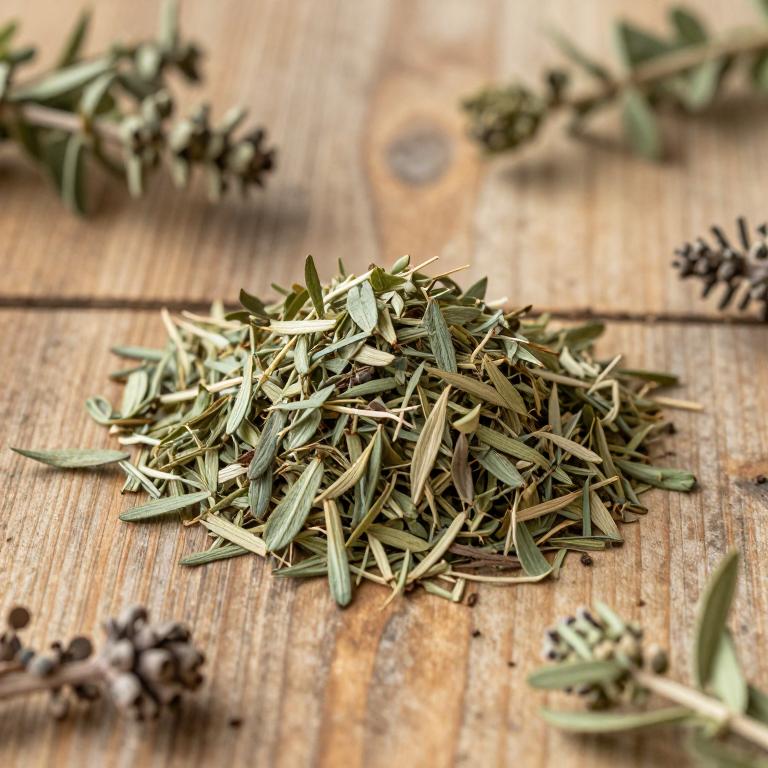
Origanum elongatum, scientifically known as Origanum elongatum, is a resilient aromatic shrub native to the Mediterranean region. Renowned for its distinct essential oils, this medicinal plant offers potent antioxidant and antimicrobial properties. Traditionally used in folk medicine, it serves as a valuable natural resource for therapeutic applications and wellness.
- Family
- Lamiaceae
- Native range
- Africa
- Parts used
- Not available
- Common names
- Not available
- Scientific synonyms
- Origanum Glandulosum Var. Elongatum
Names and Synonyms
Scientific Names
Accepted name
Origanum elongatumSynonyms
- Origanum glandulosum var. elongatum
Sources: Wikidata
Taxonomical Classification
This plant, Origanum elongatum, belongs to the kingdom Plantae and the phylum Streptophyta. It is classified under the class Equisetopsida and the subclass Magnoliidae, falling within the order Lamiales. Ultimately, it is a member of the family Lamiaceae and the genus Origanum.
| Rank | Classification |
|---|---|
| Kingdom | Plantae |
| Phylum | Streptophyta |
| Class | Equisetopsida |
| Subclass | Magnoliidae |
| Order | Lamiales |
| Family | Lamiaceae |
| Genus | Origanum |
Sources: The World Checklist of Vascular Plants (WCVP)
Distribution
This plant, known scientifically as Origanum elongatum, exhibits a very specific and limited geographical range. Its presence is primarily recorded within the northern region of the African continent. Specifically, this medicinal species is found growing in the territory of Morocco. Due to this restricted habitat, it is considered an endemic element of the local flora in that area. Consequently, its natural distribution is tied closely to the unique environmental conditions of the Moroccan landscape.
| Region | Area |
|---|---|
| Northern Africa | Morocco |
Sources: The World Checklist of Vascular Plants (WCVP)
Botanical Identification
Life history
The life history of Origanum elongatum is characterized by its classification as a hemicryptophyte, a growth form where the perennating buds are located at or just below the soil surface. This life strategy allows the plant to survive unfavorable seasonal conditions by protecting its regenerative tissues near the ground level. Within the broader spectrum of botanical life forms, it specifically functions as a hemicryptophyte, distinguishing it from other survival strategies such as phanerophytes, chamaephytes, cryptophytes, or therophytes. This physiological structure enables the plant to navigate its environmental cycles effectively, ensuring its persistence through various climatic shifts.
- Life form :
- hemicryptophyte
Morphology
The morphology of Origanum elongatum is characterized by its growth habit and ecological positioning, functioning as a self-supporting climber that utilizes its structure to ascend without the need for external hosts. It maintains an independent life cycle, existing as a non-parasitic organism that does not rely on other plants for nutrients. Furthermore, the plant is strictly terrestrial in its habitat, establishing its root system within the soil rather than growing as an epiphyte.
- Climber :
- self-supporting
- Epiphyte :
- terrestrial
- Parasite :
- independent
Sources: Global Inventory of Floras and Traits (GIFT)
Chemicals
Origanum elongatum has 2 reported phytochemicals identified across 0 scientific publications and several other databases. The most consistently reported chemicals include CARVACROL, P-CYMENE.
| Chemical | Supporting sources | Consensus |
|---|---|---|
| CARVACROL | 1 supporting sources | ★☆☆☆☆ |
| P-CYMENE | 1 supporting sources | ★☆☆☆☆ |
CARVACROL
- Antibiotics (Basel, Switzerland)
P-CYMENE
- Antibiotics (Basel, Switzerland)
Activities
Origanum elongatum has 7 reported activities identified across 0 scientific publications and several other databases. The most consistently reported activities include Antibacterial, Antioxidant, Antibiotic, Antifungal, Antiviral.
| Activity | Supporting sources | Consensus |
|---|---|---|
| Antibacterial | 2 supporting sources | ★☆☆☆☆ |
| Antioxidant | 2 supporting sources | ★☆☆☆☆ |
| Antibiotic | 1 supporting sources | ★☆☆☆☆ |
| Antifungal | 1 supporting sources | ★☆☆☆☆ |
| Antiviral | 1 supporting sources | ★☆☆☆☆ |
| Hepatoprotective | 1 supporting sources | ★☆☆☆☆ |
| Vasodilator | 1 supporting sources | ★☆☆☆☆ |
Antibacterial
- Antibiotics (Basel, Switzerland)
- Evidence-based complementary and alternative medicine : eCAM
Antioxidant
- Antibiotics (Basel, Switzerland)
- Evidence-based complementary and alternative medicine : eCAM
Antibiotic
- Antibiotics (Basel, Switzerland)
Antifungal
- Evidence-based complementary and alternative medicine : eCAM
Antiviral
- Evidence-based complementary and alternative medicine : eCAM
Hepatoprotective
- Evidence-based complementary and alternative medicine : eCAM
Vasodilator
- Evidence-based complementary and alternative medicine : eCAM