Oreocome striata
Oreocome striata · Accepted scientific name
Scientific literature: Very Sparse (22 studies) · ★☆☆☆☆
Oreocome striata, scientifically known as Oreocome striata, is a distinctive medicinal plant valued for its unique therapeutic properties. Found in specific ecological niches, it has long been utilized in traditional healing practices. This introduction explores its botanical characteristics, medicinal significance, and the vital role it plays in natural pharmacology.
- Family
- Apiaceae
- Native range
- Asia-Temperate
- Parts used
- Not available
- Common names
- Not available
- Scientific synonyms
- Ligusticum Striatum · Ligusticum Wallichii · 3 more
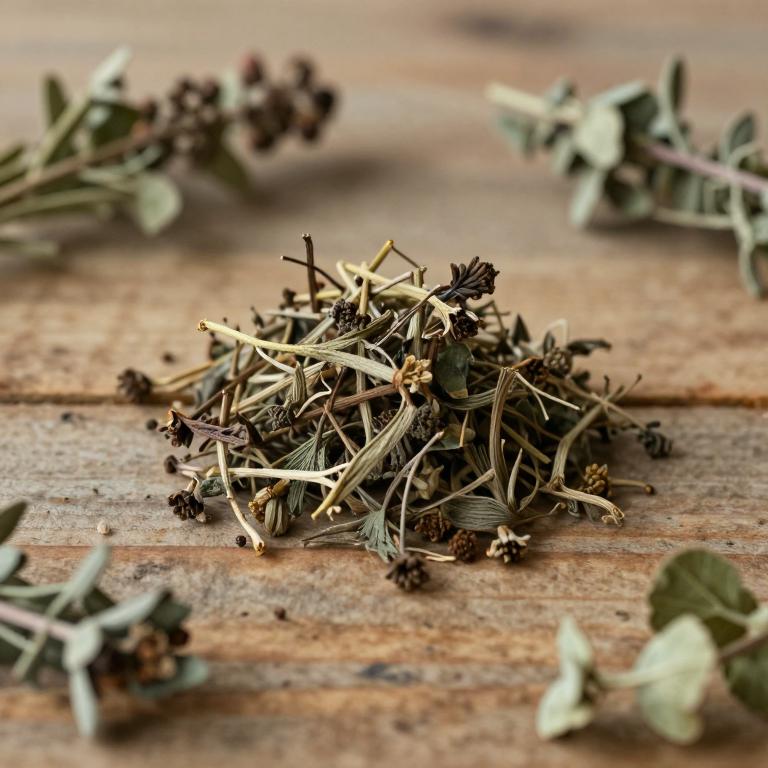
Names and Synonyms
Scientific Names
Accepted name
Oreocome striataSynonyms
- Ligusticum striatum
- Ligusticum wallichii
- Pimpinella bengalensis
- Cortia striata
- Selinum striatum
Sources: Wikidata
Taxonomical Classification
This plant belongs to the kingdom Plantae and the phylum Streptophyta, falling under the class Equisetopsida and subclass Magnoliidae. Within the order Apiales and the family Apiaceae, it is classified under the genus Oreocome. Specifically, this medicinal species is identified by its unique taxonomic position as Oreocome striata.
| Rank | Classification |
|---|---|
| Kingdom | Plantae |
| Phylum | Streptophyta |
| Class | Equisetopsida |
| Subclass | Magnoliidae |
| Order | Apiales |
| Family | Apiaceae |
| Genus | Oreocome |
Sources: The World Checklist of Vascular Plants (WCVP)
Distribution
This plant exhibits a broad geographical distribution across several key regions in Asia. In China, it is specifically documented to occur within the South-Central area. Its presence extends into the Indian Subcontinent, where it can be found in Assam, Nepal, and the West Himalaya regions. Furthermore, the species is distributed within the Indo-China region, specifically in Myanmar. These diverse locations highlight the plant's ability to thrive across various mountainous and subtropical landscapes.
| Region | Area |
|---|---|
| China | China South-Central |
| Indian Subcontinent | Assam |
| Indian Subcontinent | Nepal |
| Indian Subcontinent | West Himalaya |
| Indo-China | Myanmar |
| Indo-China | Thailand |
| Indo-China | Vietnam |
Sources: The World Checklist of Vascular Plants (WCVP)
Chemicals
Oreocome striata has 10 reported phytochemicals identified across 0 scientific publications and several other databases. The most consistently reported chemicals include TETRAMETHYLPYRAZINE, ferulic acid, (3S)-BUTYLPHTHALIDE, Baicalin, Butylidenephthalide.
| Chemical | Supporting sources | Consensus |
|---|---|---|
| TETRAMETHYLPYRAZINE | 2 supporting sources | ★☆☆☆☆ |
| ferulic acid | 2 supporting sources | ★☆☆☆☆ |
| (3S)-BUTYLPHTHALIDE | 1 supporting sources | ★☆☆☆☆ |
| Baicalin | 1 supporting sources | ★☆☆☆☆ |
| Butylidenephthalide | 1 supporting sources | ★☆☆☆☆ |
| Butylphthalide | 1 supporting sources | ★☆☆☆☆ |
| Crocetin | 1 supporting sources | ★☆☆☆☆ |
| Ligustilide | 1 supporting sources | ★☆☆☆☆ |
| Wogonin | 1 supporting sources | ★☆☆☆☆ |
| baicalein | 1 supporting sources | ★☆☆☆☆ |
TETRAMETHYLPYRAZINE
- The American journal of Chinese medicine
- Planta medica
ferulic acid
- Colloids and surfaces. B, Biointerfaces
- Journal of cardiovascular pharmacology
(3S)-BUTYLPHTHALIDE
- Phytochemistry
Baicalin
- The American journal of Chinese medicine
Butylidenephthalide
- Japanese journal of pharmacology
Butylphthalide
- Japanese journal of pharmacology
Crocetin
- The American journal of Chinese medicine
Ligustilide
- Japanese journal of pharmacology
Wogonin
- The American journal of Chinese medicine
baicalein
- The American journal of Chinese medicine
Activities
Oreocome striata has 2 reported activities identified across 0 scientific publications and several other databases. The most consistently reported activities include Antispasmodic, Calcium-Antagonist.
| Activity | Supporting sources | Consensus |
|---|---|---|
| Antispasmodic | 1 supporting sources | ★☆☆☆☆ |
| Calcium-Antagonist | 1 supporting sources | ★☆☆☆☆ |
Antispasmodic
- Japanese journal of pharmacology
Calcium-Antagonist
- Planta medica
Preparations
Oreocome striata has 2 reported preparations identified across 0 scientific publications and several other databases. The most consistently reported preparations include decoction, suanzaorentang.
| Preparation | Supporting sources | Consensus |
|---|---|---|
| Decoction | 2 supporting sources | ★☆☆☆☆ |
| Suanzaorentang | 1 supporting sources | ★☆☆☆☆ |
Decoction
- Colloids and surfaces. B, Biointerfaces
- Molecules (Basel, Switzerland)
Suanzaorentang
- General hospital psychiatry