Orbivestus cinerascens
Orbivestus cinerascens · Accepted scientific name
Scientific literature: Very Sparse (0 studies) · ★☆☆☆☆
Orbivestus cinerascens is a notable botanical species currently drawing significant attention within the field of pharmacological research. Scientists have identified that the leaves of this plant contain a specialized chemical compound known as hirsutinolide. This specific constituent is being rigorously studied for its potential biological activity against various pathogens. Most importantly, recent investigations focus on its efficacy in addressing conditions involving Plasmodium falciparum. Consequently, this plant represents a promising natural resource in the ongoing search for new antimalarial treatments.
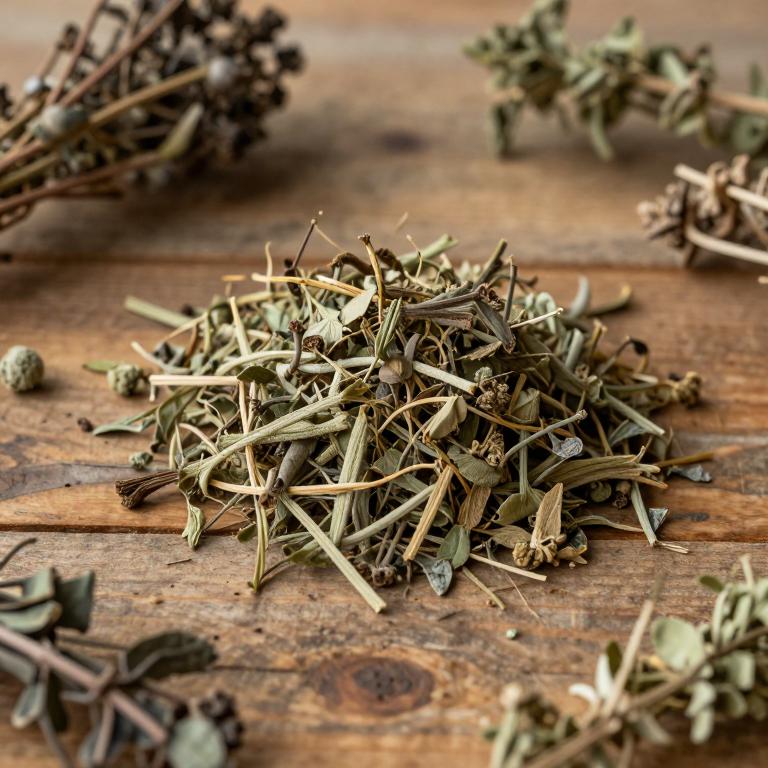
- Synonyms
- Vernonia Cinerascens · Vernonia Luederitziana · 1 more
- Common names
- Not available
- Family
- Asteraceae
- Distribution
- Not available
- Plant Parts
- Leaf
Classification
Common Names
Orbivestus cinerascens is a botanical specimen recognized by a diverse array of regional and descriptive names. Depending on the local dialect or botanical context, it is frequently referred to as Ejulot or Ewurr. In other areas, the plant is known by the name Geilahawet. Those studying its physical characteristics often identify it as Grey-Leaved Bittertea. Finally, it is also widely documented under the moniker Grey-Leaved Vernonia.
Sources: Catalogue of Life (COL)
Synonyms
Orbivestus cinerascens is a botanical species characterized by a complex history of taxonomic nomenclature. Throughout various scientific classifications, this plant has been identified under several different names. Specifically, it is recognized by the synonyms Vernonia cinerascens and Vernonia luederitziana. Furthermore, researchers have also documented the plant under the synonym Vernonia tephrodoides. Understanding these overlapping identities is essential for accurate botanical identification and study.
Sources: The World Checklist of Vascular Plants (WCVP)
Taxonomy
Orbivestus cinerascens is a unique biological entity belonging to the kingdom Plantae. This species is classified under the class Equisetopsida, marking its position within the broader botanical landscape. It is further categorized into the order Asterales, which helps scientists understand its evolutionary lineage. Within this order, the plant is a proud member of the family Asteraceae. Finally, it is identified by its specific genus, Orbivestus, which distinguishes it from all other related flora.
| Rank | Classification |
|---|---|
| Kingdom | Plantae |
| Phylum | Streptophyta |
| Class | Equisetopsida |
| Subclass | Magnoliidae |
| Order | Asterales |
| Family | Asteraceae |
| Genus | Orbivestus |
Sources: The World Checklist of Vascular Plants (WCVP)
Distribution
Geographic Regions
Orbivestus cinerascens is a plant species with a significant presence throughout the African continent. Its range extends across East Tropical Africa, where it can be found in the diverse landscapes of Kenya, Tanzania, and Uganda. Moving toward the north, the species also populates parts of Northeast Tropical Africa. Specifically, its distribution reaches into the territories of Chad and Djibouti. This wide geographic spread highlights the plant's ability to inhabit various ecological niches across these regions.
Sources: The World Checklist of Vascular Plants (WCVP)
Identification
Morphology
Orbivestus cinerascens is a distinctive shrub characterized by its sturdy, self-supporting growth form. This plant typically maintains a modest stature, with a maximum height reaching approximately 0.91 meters. While its minimum height can vary, it is frequently observed at a baseline of about 0.30 meters. Interestingly, some specimens within its range may exhibit a much larger minimum height of 2 meters under specific conditions. Understanding these dimensional variations is essential for accurately identifying the species in the wild.
Sources: Global Inventory of Floras and Traits (GIFT)
Biological Activities
Compounds
Orbivestus cinerascens has been identified as a significant source of specialized chemical compounds. Recent investigations into the aerial parts of this plant, collected from Saudi Arabia, have revealed the presence of several lactones. Most notably, researchers successfully isolated a new compound belonging to the hirsutinolide family. The complex structure of this hirsutinolide was meticulously determined through various advanced spectroscopic techniques. These findings highlight the potential of the species for further phytochemical exploration and discovery.
Conditions
Vernonia cinerascens exhibits significant antiplasmodial activity against Plasmodium falciparum. In the screening of medicinal plants from the Bunda district of Tanzania, the 80% MeOH extract of its leaves was specifically tested. This plant demonstrated a minimum inhibitory concentration (MIC) value of 62.5 microg/mL. Such results indicate that the species possesses properties capable of treating this malaria parasite. Consequently, it is identified as one of the effective medicinal plants for combating Plasmodium falciparum infections.
Preparations
Parts used
Orbivestus cinerascens is a notable medicinal plant identified in recent screenings conducted in the Bunda district of Tanzania. Specifically, the leaves of this species were found to contain bioactive compounds useful in medicinal applications. Research indicates that an 80% MeOH extract derived from these leaves demonstrates significant antiplasmodial activity. The study measured a specific MIC value of 62.5 microg/mL for this particular leaf extract against Plasmodium falciparum. Such findings highlight the potential importance of using the leaf parts of Orbivestus cinerascens in treating infectious diseases.