prickly pear cactus
Opuntia · Accepted scientific name
Scientific literature: Very Sparse (7 studies) · ★☆☆☆☆
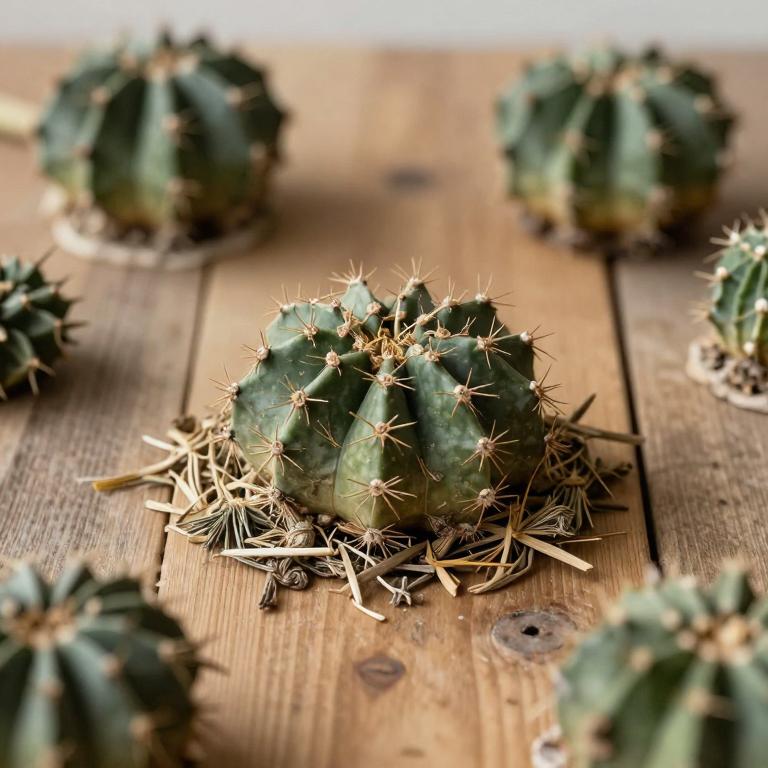
Prickly pear cactus, scientifically known as Opuntia, is a versatile succulent renowned for its remarkable medicinal properties. Rich in antioxidants and vitamins, its edible pads and fruits offer therapeutic benefits, including anti-inflammatory and digestive support. This resilient plant serves as a vital resource in traditional and modern wellness.
Names and Synonyms
Common Names
- prickly-pear
- prickly-pear cactus
- Prickly Pears
- desert pears
- devil's-tongues
- prickly pear cactuses
- prickly-pears
Scientific Names
Accepted name
OpuntiaSynonyms
- Chaffeyopuntia
- Subulatopuntia
- Nopalea
- Nopal
- Platyopuntia
- Plutonopuntia
- Tunas
- Ficindica
- Phyllarthus
Regional and Traditional Names
Spanish:
- Ensalada de nopal
- Tunas
- Nopales
- Chumberas
- Tunas y nopales
- nopales y xoconostles
German:
- Opuntie
- Optunien
- Feigenkaktus
- Feigenkakteen
- Opuntien
- Opuntien
French:
- Cactus-raquette
- Cactus raquette
- Cactus Raquettes
- Cactus raquettes
- Nopales
- Oponces
Sources: Wikidata, Catalogue of Life
Taxonomical Classification
This plant belongs to the kingdom Plantae within the phylum Streptophyta and is classified under the class Equisetopsida. It is further categorized into the subclass Magnoliidae and the order Caryophyllales, specifically falling under the family Cactaceae. Ultimately, this medicinal species is identified by the genus Opuntia.
| Rank | Classification |
|---|---|
| Kingdom | Plantae |
| Phylum | Streptophyta |
| Class | Equisetopsida |
| Subclass | Magnoliidae |
| Order | Caryophyllales |
| Family | Cactaceae |
| Genus | Opuntia |
Sources: The World Checklist of Vascular Plants (WCVP)
Distribution
This plant exhibits a varied geographical distribution across several European regions. In Northern Europe, its presence can be identified within Great Britain. Moving into Middle Europe, the species is found inhabiting the landscapes of Austria. It also maintains a notable distribution throughout the areas of Czechia-Slovakia. Finally, the plant extends its reach into Germany and the Netherlands.
| Region | Area |
|---|---|
| Northern Europe | Great Britain |
| Middle Europe | Austria |
| Middle Europe | Czechia-Slovakia |
| Middle Europe | Germany |
| Middle Europe | Netherlands |
| Middle Europe | Switzerland |
| Southwestern Europe | Baleares |
| Southwestern Europe | Corse |
| Southwestern Europe | France |
| Southwestern Europe | Portugal |
Sources: The World Checklist of Vascular Plants (WCVP)
Activities
Opuntia has 1 reported activities identified across 0 scientific publications and several other databases. The most consistently reported activities include Antioxidant.
| Activity | Supporting sources | Consensus |
|---|---|---|
| Antioxidant | 1 supporting sources | ★☆☆☆☆ |
Antioxidant
- La Clinica terapeutica
Conditions
Opuntia has 4 reported investigations on conditions identified across 0 scientific publications and several other databases. The most consistently reported conditions include cancer, hyperglycemia, metabolic syndromes, obesity.
| Condition | Supporting sources | Consensus |
|---|---|---|
| Cancer | 1 supporting sources | ★☆☆☆☆ |
| Hyperglycemia | 1 supporting sources | ★☆☆☆☆ |
| Metabolic syndromes | 1 supporting sources | ★☆☆☆☆ |
| Obesity | 1 supporting sources | ★☆☆☆☆ |
Cancer
- La Clinica terapeutica
Hyperglycemia
- La Clinica terapeutica
Metabolic syndromes
- La Clinica terapeutica
Obesity
- La Clinica terapeutica
Preparations
Opuntia has 3 reported preparations identified across 0 scientific publications and several other databases. The most consistently reported preparations include Opuntia extract, capsules, extract.
| Preparation | Supporting sources | Consensus |
|---|---|---|
| Opuntia extract | 1 supporting sources | ★☆☆☆☆ |
| Capsules | 1 supporting sources | ★☆☆☆☆ |
| Extract | 1 supporting sources | ★☆☆☆☆ |
Opuntia extract
- Journal of ethnopharmacology
Capsules
- Gaceta medica de Mexico
Extract
- Archivos de investigacion medica