Opuntia megacantha
Opuntia megacantha · Accepted scientific name
Scientific literature: Very Sparse (0 studies) · ★☆☆☆☆
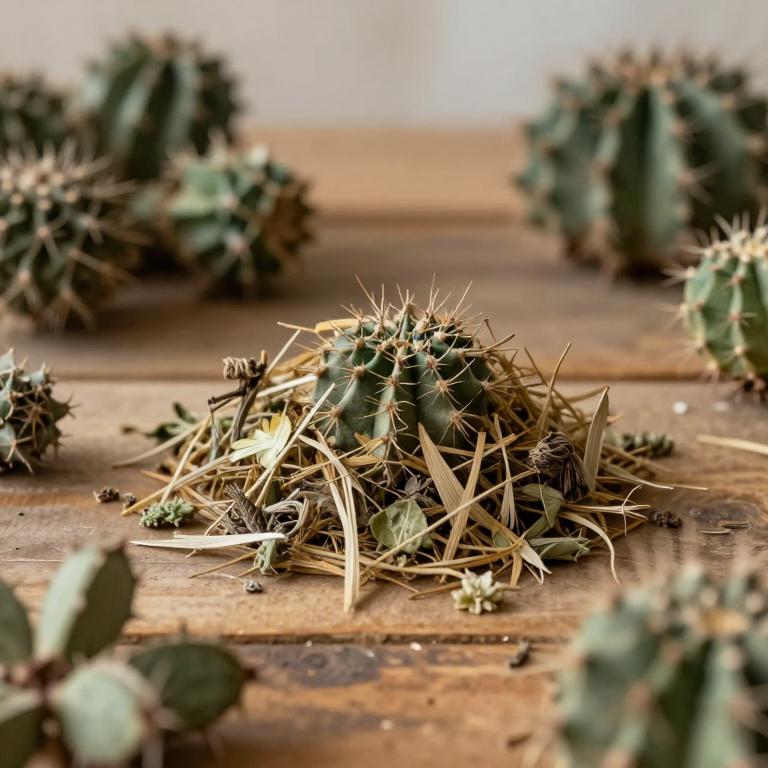
Opuntia megacantha is a resilient cactus species widely recognized for its striking, fleshy pads and defensive spines. While many members of this genus appear to lack traditional foliage, the plant utilizes specialized structures to facilitate vital biological processes. Interestingly, certain developmental stages or specific environmental conditions can influence the presence of leaf-like appendages. These components play a crucial role in the plant's overall morphology and its ability to thrive in arid climates. Understanding these unique features provides deeper insight into the complex evolutionary adaptations of this desert dweller.
- Synonyms
- Opuntia Robusta Var. Megacantha · Opuntia Megacantha Var. Tenuispina
- Common names
- Not available
- Family
- Cactaceae
- Distribution
- Southern America
- Plant Parts
- Leaf
Classification
Synonyms
Opuntia megacantha is a species known to encompass several botanical classifications within its taxonomic history. Scientific literature identifies Opuntia megacantha var. tenuispina as a recognized synonym for this plant. Additionally, the taxon is closely linked to Opuntia robusta var. megacantha, which serves as another synonym in various records. Understanding these relationships is essential for researchers aiming to maintain precise botanical nomenclature. Such overlapping designations highlight the complex evolutionary lineage inherent to this prickly pear variety.
Sources: The World Checklist of Vascular Plants (WCVP)
Taxonomy
Opuntia megacantha is a distinctive member of the kingdom Plantae. Within this vast biological realm, the species belongs to the class Equisetopsida. It is further categorized under the order Caryophyllales, showcasing its unique evolutionary lineage. As a representative of the genus Opuntia, it displays specialized characteristics common to its group. Ultimately, this plant finds its specific botanical home within the family Cactaceae.
| Rank | Classification |
|---|---|
| Kingdom | Plantae |
| Phylum | Streptophyta |
| Class | Equisetopsida |
| Subclass | Magnoliidae |
| Order | Caryophyllales |
| Family | Cactaceae |
| Genus | Opuntia |
Sources: The World Checklist of Vascular Plants (WCVP)
Distribution
Geographic Regions
Opuntia megacantha is a resilient species with a broad geographical presence across Northern America. Its natural distribution extends deeply into various regions of Mexico, showcasing its adaptability to diverse climates. Specifically, the plant can be found flourishing throughout the Northeast of the country. It also maintains a significant presence across the Northwest territories of Mexico. Furthermore, its ability to thrive stretches into the Southwest, solidifying its status as a widespread botanical inhabitant.
Sources: The World Checklist of Vascular Plants (WCVP)
Identification
Biological Activities
Compounds
Conditions
Opuntia megacantha leaf extracts effectively reduce plasma glucose concentrations in both diabetic and non-diabetic rats. While the plant impacts blood glucose, its relationship with kidney function appears complex and potentially harmful. The extracts were observed to increase the glomerular filtration rate in streptozotocin-diabetic rats. However, the plant may be toxic to the kidneys due to significant increases in plasma urea and creatinine concentrations. This toxicity is further evidenced by a reduction in plasma sodium concentrations and an increase in urinary sodium output.
Preparations
Parts used
Opuntia megacantha contains specific leaf components that have been studied for their medicinal potential in managing diabetes. Researchers investigated how extracts derived from the leaf of this plant affect blood glucose levels and kidney function in diabetic rats. While the administration of these leaf extracts successfully reduced plasma glucose concentrations, the study also revealed significant physiological changes. Specifically, the leaf extracts were associated with an increase in plasma creatinine and urea, suggesting potential toxicity to the kidneys. Ultimately, these findings indicate that while the plant part offers glucose-lowering benefits, it may simultaneously impact renal health.