Onosma bourgaei
Onosma bourgaei · Accepted scientific name
Scientific literature: Very Sparse (2 studies) · ★☆☆☆☆
Onosma bourgaei is a unique botanical species that has garnered significant interest within the scientific community. Recent pharmacological investigations have highlighted its remarkable biological potential in various therapeutic contexts. Specifically, the plant has demonstrated notable antiproliferative activities that warrant further clinical exploration. Furthermore, its inherent cytotoxic properties suggest it may play a role in targeted cellular studies. Understanding these complex mechanisms offers promising insights into the development of future medicinal treatments.
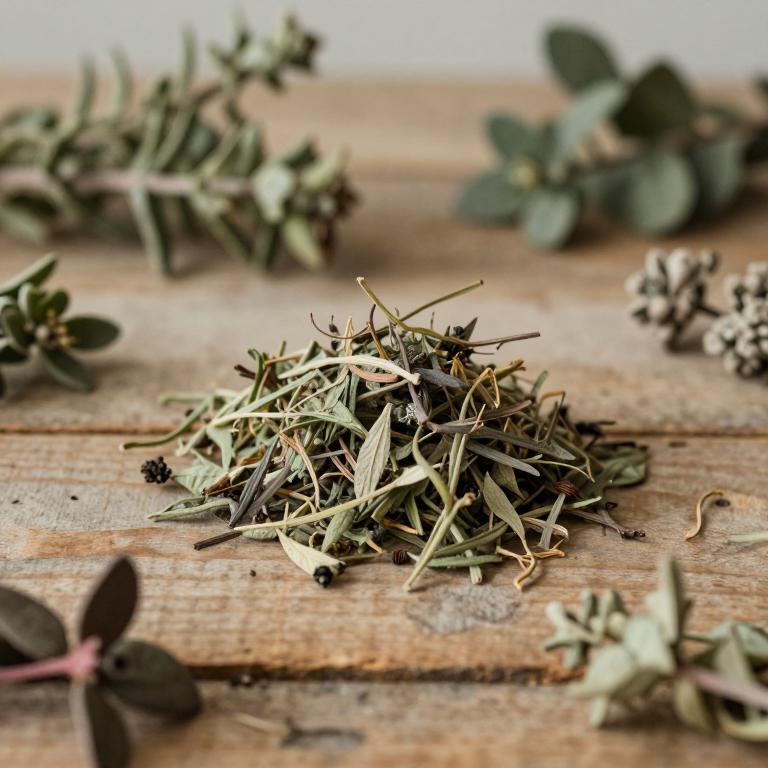
- Synonyms
- Not available
- Common names
- Not available
- Family
- Boraginaceae
- Distribution
- Not available
- Plant Parts
- Not available
Classification
Taxonomy
Onosma bourgaei is a specialized member of the kingdom Plantae. Within this vast biological realm, it is classified under the class Equisetopsida. This species belongs to the specific order Boraginales, showcasing its distinct evolutionary path. It is further categorized into the family Boraginaceae, which defines many of its structural traits. Ultimately, it resides within the genus Onosma, marking its unique place in the natural world.
| Rank | Classification |
|---|---|
| Kingdom | Plantae |
| Phylum | Streptophyta |
| Class | Equisetopsida |
| Subclass | Magnoliidae |
| Order | Boraginales |
| Family | Boraginaceae |
| Genus | Onosma |
Sources: The World Checklist of Vascular Plants (WCVP)
Distribution
Geographic Regions
Onosma bourgaei is a distinct plant species with a concentrated geographic presence across the Asia-Temperate region. Its natural habitat primarily encompasses the rugged landscapes of the Caucasus and the Transcaucasus. The plant is also widely distributed throughout Western Asia, showing a strong affinity for these specific territories. Notably, Türkiye serves as a significant part of its native range, providing the ideal environmental conditions for its growth. By spanning these diverse locations, the species maintains a specialized ecological niche within its mountainous surroundings.
Sources: The World Checklist of Vascular Plants (WCVP)
Identification
Biological Activities
Onosma bourgaei has long been utilized in traditional medicine due to its rich content of bioactive compounds. Recent studies focusing on the aerial parts of this plant have successfully isolated several key constituents, including allantoin and rosmarinic acid. Research demonstrates that Onosma bourgaei has activity that is both antiproliferative and cytotoxic against various cancer cell lines. Specifically, compounds such as apigenin-7-O-β-glucoside, rosmarinic acid, and globoidnan A showed significant potential in inhibiting the growth of cervical, colorectal, lung, and mammary adenocarcinoma cells. These findings highlight the plant's promising therapeutic potential in the ongoing development of anticancer agents.
Compounds
Conditions
Onosma bourgaei exhibits significant biological activity when applied to several different cell lines. Specifically, the plant's bioactive compounds demonstrate antiproliferative effects against A549 lung carcinoma cells. It also shows measurable impact on HT29 colorectal adenocarcinoma cells and HeLa cervical adenocarcinoma cells. Furthermore, the extract provides treatment for MCF7 human mammary gland adenocarcinoma cells. These effects are assessed alongside its impact on FL human epithelial amnion cells to determine its overall cytotoxic potential.