Ononis vaginalis
Ononis vaginalis · Accepted scientific name
Scientific literature: Very Sparse (8 studies) · ★☆☆☆☆
Oonis vaginalis, scientifically known as Oonis vaginalis, is a medicinal plant esteemed for its diverse therapeutic properties. Renowned in traditional medicine, it is frequently utilized for its potent antimicrobial and anti-inflammatory characteristics. This botanical specimen offers significant pharmacological potential, making it a subject of growing interest in herbal research.
- Family
- Fabaceae
- Native range
- Europe
- Parts used
- Root
- Common names
- Not available
- Scientific synonyms
- Trigonella Crassifolia · Ononis Vestita · 6 more
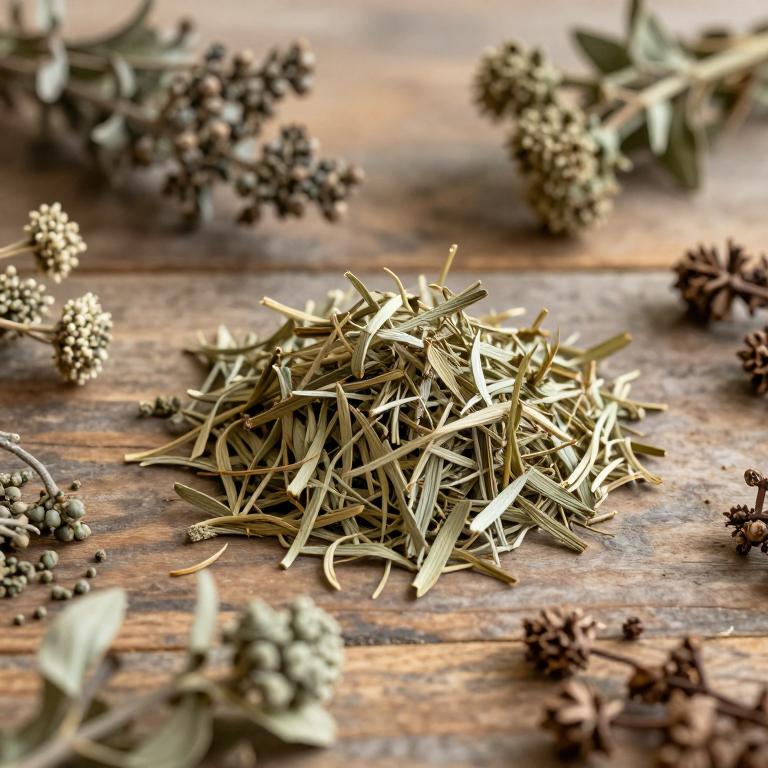
Names and Synonyms
Scientific Names
Accepted name
Ononis vaginalisSynonyms
- Trigonella crassifolia
- Ononis vestita
- Ononis vaginalis var. compacta
- Ononis vaginalis var. rotundifolia
- Ononis vaginalis var. vivianii
- Ononis vaginalis var. vestita
- Ononis kotschyana
- Ononis vaginalis var. ozendae
Sources: Wikidata, Catalogue of Life
Taxonomical Classification
This plant belongs to the kingdom Plantae and the phylum Streptophyta, falling under the class Equisetopsida and subclass Magnoliidae. Within the order Fabales, it is classified under the family Fabaceae. Finally, it is identified by the genus Ononis, specifically as the species Ononis vaginalis.
| Rank | Classification |
|---|---|
| Kingdom | Plantae |
| Phylum | Streptophyta |
| Class | Equisetopsida |
| Subclass | Magnoliidae |
| Order | Fabales |
| Family | Fabaceae |
| Genus | Ononis |
Sources: The World Checklist of Vascular Plants (WCVP)
Distribution
This plant exhibits a diverse geographical distribution across several key regions. In Southeastern Europe, it can be found specifically in Crete. Its presence extends significantly into Northern Africa, where it grows in Egypt, Libya, and Tunisia. Furthermore, the species is situated within Western Asia, specifically across the Lebanon-Syria region. These varied locations highlight its wide ecological range throughout the Mediterranean area.
| Region | Area |
|---|---|
| Southeastern Europe | Kriti |
| Northern Africa | Egypt |
| Northern Africa | Libya |
| Northern Africa | Tunisia |
| Western Asia | Lebanon-Syria |
| Western Asia | Palestine |
Sources: The World Checklist of Vascular Plants (WCVP)
Botanical Identification
Life history
The life history of Ononis vaginalis is characterized by a perennial lifecycle, allowing the plant to persist across multiple growing seasons. In terms of its structural growth strategy, the species functions as a hemicryptophyte, a life form where the perennating buds are located at the soil surface, protected by residual plant matter or the substrate itself. This hemicryptophytic habit ensures its survival through unfavorable environmental conditions while maintaining its ability to regrow during optimal periods.
- Life form :
- hemicryptophyte
- Lifecycle :
- perennial
Morphology
The morphology of Ononis vaginalis is characterized by a growth form classified as a shrub, though it maintains a non-woody structure throughout its development. This plant is primarily terrestrial in its habitat preference, distinguishing it from aquatic or semiaquatic species. In terms of its structural support, it functions as a self-supporting organism rather than an obligatory or facultative climber. Furthermore, it exists as an independent entity, showing no parasitic tendencies toward other vegetation.
- Aquatic :
- terrestrial
- Climber :
- self-supporting
- Growth form :
- shrub
- Parasite :
- independent
- Woodiness :
- non-woody
Physiology
The physiology of Ononis vaginalis is characterized by a specialized metabolic framework designed for efficient resource acquisition and survival in temperate environments. A fundamental aspect of its metabolic profile is its photosynthetic pathway, which follows the C3 mechanism. In this pathway, the initial fixation of atmospheric carbon dioxide occurs through the enzyme Rubisco, resulting in the immediate formation of a three-carbon compound, 3-phosphoglycerate. This C3 photosynthetic process dictates the plant's gas exchange patterns and water-use efficiency, influencing how it manages transpiration and carbon assimilation under varying light intensities and moisture availability. Complementing this carbon fixation strategy is a robust physiological structure that supports nutrient uptake and water transport, ensuring the plant maintains homeostatic balance and supports its reproductive development through efficient energy conversion.
- Photosynthetic pathway :
- C3
Reproduction
The reproduction of Ononis vaginalis involves the production of specialized seeds that exhibit specific morphological and weight characteristics essential for its propagation. Based on empirical data, the seeds are characterized by a very fine mass, with a recorded mean seed mass of 0.00372 g. The variation within the seed population is minimal, reflecting a highly consistent reproductive output, as evidenced by a maximum seed mass of 0.00381 g and a minimum seed mass of 0.00363 g. This precise range of seed mass suggests a standardized energetic investment by the plant during the formation of its reproductive units, ensuring that each seed possesses the necessary biological properties for successful dispersal and eventual germination.
- Seed mass max:
- 0.00381 g
- Seed mass mean:
- 0.00372 g
- Seed mass min:
- 0.00363 g
Sources: Global Inventory of Floras and Traits (GIFT)
Plant Parts
Ononis vaginalis has 1 reported plant parts identified across 1 scientific publications and several other databases that are studied for medicinal purposes. The most consistently reported plant part include root.
| Plant part | Supporting sources | Consensus |
|---|---|---|
| Root | 1 supporting sources | ★☆☆☆☆ |
Root
- Molecules (Basel, Switzerland)
Activities
Ononis vaginalis has 5 reported activities identified across 1 scientific publications and several other databases. The most consistently reported activities include Antibacterial, Anticancer, Antioxidant, Hepatoprotective, Osteogenic.
| Activity | Supporting sources | Consensus |
|---|---|---|
| Antibacterial | 1 supporting sources | ★☆☆☆☆ |
| Anticancer | 1 supporting sources | ★☆☆☆☆ |
| Antioxidant | 1 supporting sources | ★☆☆☆☆ |
| Hepatoprotective | 1 supporting sources | ★☆☆☆☆ |
| Osteogenic | 1 supporting sources | ★☆☆☆☆ |
Antibacterial
- Molecules (Basel, Switzerland)
Anticancer
- Molecules (Basel, Switzerland)
Antioxidant
- Molecules (Basel, Switzerland)
Hepatoprotective
- Molecules (Basel, Switzerland)
Osteogenic
- Molecules (Basel, Switzerland)
Conditions
Ononis vaginalis has 2 reported investigations on conditions identified across 1 scientific publications and several other databases. The most consistently reported conditions include antioxidant, wound-healing.
| Condition | Supporting sources | Consensus |
|---|---|---|
| Antioxidant | 1 supporting sources | ★☆☆☆☆ |
| Wound-healing | 1 supporting sources | ★☆☆☆☆ |
Antioxidant
- Molecules (Basel, Switzerland)
Wound-healing
- Molecules (Basel, Switzerland)