Olinia ventosa
Olinia ventosa · Accepted scientific name
Scientific literature: Very Sparse (1 studies) · ★☆☆☆☆
Olinia ventosa is a botanical species that has garnered attention for its significant biological properties. Recent scientific investigations have focused on the potential antifungal activities found within its various components. Specifically, research has demonstrated that preparations made from leaf extracts exhibit notable efficacy against certain pathogens. These studies highlight the plant's ability to inhibit the growth of the fungus Aspergillus niger. Consequently, Olinia ventosa represents a promising subject for the development of natural antifungal agents.
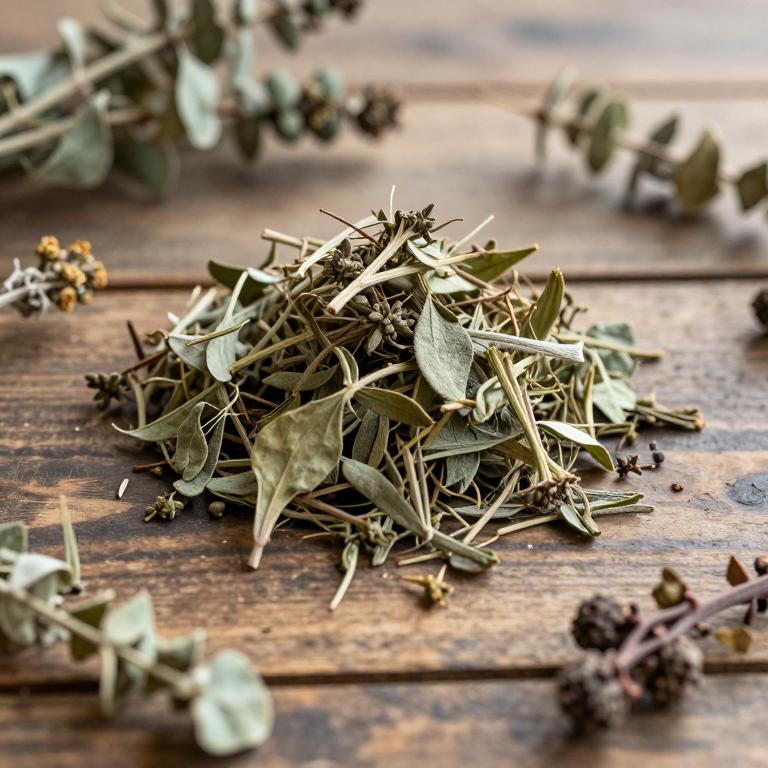
- Synonyms
- Plectronia Floribunda · Olinia Cymosa · 3 more
- Common names
- Not available
- Family
- Penaeaceae
- Distribution
- Not available
- Plant Parts
- Leaf
Classification
Common Names
Olinia ventosa is a versatile plant recognized by a variety of diverse local names. It is frequently referred to by its English common names, such as Hard Pear or the variation hardepeer. Within different cultural contexts, the species is also known by the names iNgobamakhosi and umngenalahla. These multiple identifiers highlight the botanical significance of the plant across various regions. Understanding these different names helps enthusiasts identify this unique species more easily in the wild.
Sources: Catalogue of Life (COL)
Synonyms
Olinia ventosa is a botanical species characterized by a complex history of taxonomic classifications. Throughout various studies, it has been identified by several different synonyms, including Canthium ventosum and Olinia cymosa. Researchers have also documented its connection to Plectronia floribunda and Plectronia ventosa in older literature. Furthermore, the name Sideroxylon cymosum has been used to refer to this same plant in certain scientific contexts. Understanding these various nomenclature shifts is essential for accurately identifying the species in botanical records.
Sources: The World Checklist of Vascular Plants (WCVP)
Taxonomy
Olinia ventosa is a unique biological entity that belongs to the expansive kingdom Plantae. Within this vast kingdom, the species is classified under the class Equisetopsida. It further branches into the order Myrtales, showcasing its specific evolutionary lineage. This plant is a distinguished member of the genus Olinia, which defines its structural characteristics. Finally, it is categorized under the family Penaeaceae, completing its scientific identity.
| Rank | Classification |
|---|---|
| Kingdom | Plantae |
| Phylum | Streptophyta |
| Class | Equisetopsida |
| Subclass | Magnoliidae |
| Order | Myrtales |
| Family | Penaeaceae |
| Genus | Olinia |
Sources: The World Checklist of Vascular Plants (WCVP)
Distribution
Geographic Regions
Olinia ventosa is a distinctive plant species primarily found across the African continent. Its natural distribution is most concentrated within the diverse landscapes of Southern Africa. More specifically, the plant thrives throughout the various ecological zones of the Cape Provinces. This geographic range highlights the unique environmental conditions required for its continued growth. Understanding these specific locations is essential for anyone studying the botanical heritage of the region.
Sources: The World Checklist of Vascular Plants (WCVP)
Identification
Morphology
Olinia ventosa is a self-supporting species characterized by its distinct tree growth form. This plant exhibits significant versatility in stature, ranging in height from a minimum of 2 meters to a maximum of 20 meters. Its sturdy structure allows it to stand independently within its natural habitat. Such dimensions make it a notable component of the diverse forest canopy.
Sources: Global Inventory of Floras and Traits (GIFT)
Biological Activities
Olinia ventosa is among the selected South African medicinal plant species investigated for its potential to combat various phytopathogenic fungi. Research indicates that the leaf extracts of this plant exhibit significant antifungal activity against pathogens that cause major economic losses in the fruit industry. By leveraging the secondary metabolites produced by such plants, scientists aim to develop cost-effective and non-toxic alternatives to chemical fungicides. The study highlights how these natural extracts can target specific threats like postharvest diseases in citrus crops. Ultimately, the demonstrated efficacy of Olinia ventosa supports the ongoing development of sustainable biopesticides derived from botanical sources.
Compounds
Conditions
Olinia ventosa demonstrates significant antifungal activity against several phytopathogenic fungi. Specifically, the leaf extracts of this plant species are effective in treating Aspergillus niger and Aspergillus parasiticus. The medicinal plant also shows the ability to treat Colletotrichum gloeosporioides. Furthermore, Olinia ventosa serves as a treatment for Fusarium oxysporum. Finally, the plant's extracts are capable of treating P. expansum, highlighting its potential for use in biopesticide development.
Preparations
Olinia ventosa is prepared as leaf extracts to investigate its potential medicinal properties. These specific extracts were evaluated for their ability to combat various phytopathogenic fungi. The research focused on the antimicrobial potential of the plant to find non-toxic alternatives to chemical fungicides. By using these leaf extracts, scientists could test the plant's effectiveness against pathogens like Aspergillus niger and Fusarium oxysporum. Ultimately, the study confirms that the leaf extracts of this species possess active antifungal properties.
Parts used
Olinia ventosa is one of several South African medicinal plant species evaluated for its potential to combat phytopathogenic fungi. Researchers specifically utilized extracts derived from the leaf of this plant to investigate its antimicrobial properties. This study aimed to find cost-effective and non-toxic alternatives to chemical fungicides by screening secondary metabolites. The findings revealed that the leaf extracts of Olinia ventosa were active against a variety of selected fungal pathogens. Such research highlights the significant potential of using plant parts like the leaf to develop effective new biopesticides.