Oligochaeta ramosa
Oligochaeta ramosa · Accepted scientific name
Scientific literature: Very Sparse (0 studies) · ★☆☆☆☆
Oligochaeta ramosa is a botanical species that has become a subject of interest due to its unique chemical properties. Recent investigations have focused specifically on its ethyl acetate soluble fraction to identify bioactive components. This particular preparation allows researchers to isolate specific metabolites that may possess therapeutic potential. By utilizing this solvent extraction method, scientists can better understand the complex phytochemical profile of the plant. Such studies are essential for uncovering the medicinal possibilities hidden within its organic constituents.
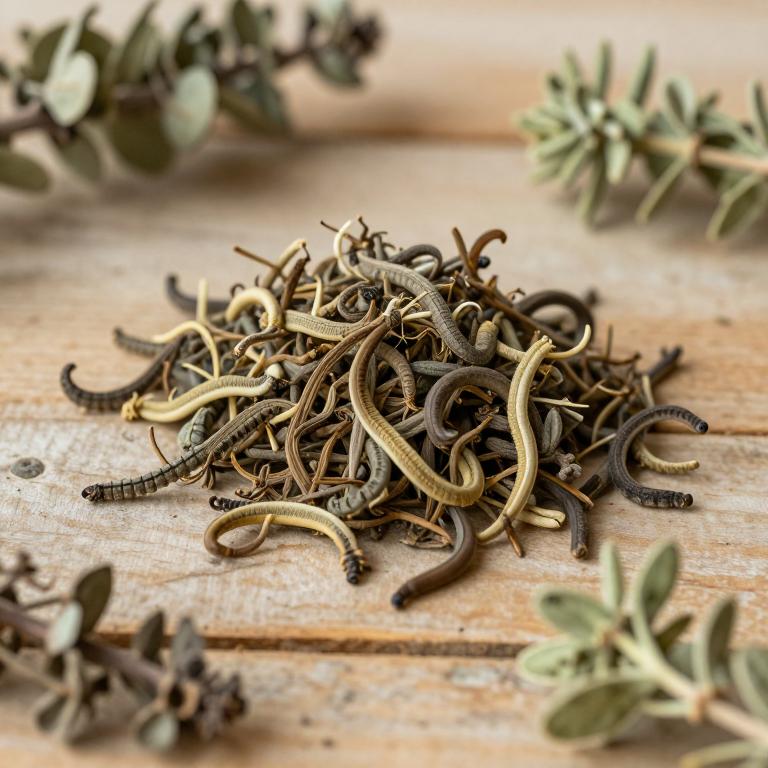
- Synonyms
- Amberboa Divaricata · Centaurea Oligochaeta · 13 more
- Common names
- Not available
- Family
- Asteraceae
- Distribution
- Pacific
- Plant Parts
- Not available
Classification
Synonyms
Oligochaeta ramosa is a plant species that has historically been associated with several different botanical names. Taxonomists have frequently identified it under various synonyms, including Amberboa divaricata and Amberboa ramosa. It has also been linked to different classifications such as Carduus centauroides and Carduus ramosus. Furthermore, the name Centaurea divaricata serves as another recognized synonym within its complex botanical history. Navigating these multiple designations is essential for researchers seeking to accurately identify this specific plant.
Sources: The World Checklist of Vascular Plants (WCVP)
Taxonomy
Oligochaeta ramosa is a unique botanical specimen belonging to the vast kingdom Plantae. This plant is scientifically classified within the genus Oligochaeta, highlighting its specific evolutionary lineage. It is further organized under the class Equisetopsida, which defines its fundamental structural characteristics. As a member of the order Asterales, it shares close ties with a wide array of diverse flowering species. Ultimately, its taxonomic placement within the family Asteraceae connects it to one of the most significant groups in the natural world.
| Rank | Classification |
|---|---|
| Kingdom | Plantae |
| Phylum | Streptophyta |
| Class | Equisetopsida |
| Subclass | Magnoliidae |
| Order | Asterales |
| Family | Asteraceae |
| Genus | Oligochaeta |
Sources: The World Checklist of Vascular Plants (WCVP)
Distribution
Geographic Regions
Oligochaeta ramosa exhibits a broad geographical range that spans across diverse climatic zones in Asia. In the temperate regions, this species can be found throughout the Caucasus and Transcaucasus areas. Its presence extends into Western Asia, specifically documented within the territories of Iran and Türkiye. Moving into tropical climates, the plant is also well-established across the Indian Subcontinent. Consequently, its distribution reaches significant populations within both India and Pakistan.
Sources: The World Checklist of Vascular Plants (WCVP)
Identification
Biological Activities
Compounds
Oligochaeta ramosa is a medicinal plant that serves as a significant source of bioactive secondary metabolites. Research has successfully isolated four specific sesquiterpene lactones from its ethyl acetate soluble fraction. These include the previously reported compounds Amberbin A, Amberbin B, and Amberin. Additionally, the study identified a newly characterized compound known as Amberbin C. Together, these constituents demonstrate excellent inhibitory activity against acetyl and butyryl cholinesterase, offering potential for Alzheimer's disease drug development.
Conditions
Oligochaeta ramosa, referred to in the research as Amberboa ramosa, shows significant potential in the treatment of Alzheimer's disease. The plant contains sesquiterpene lactones that act as effective inhibitors of acetyl cholinesterase. Additionally, these bioactive compounds demonstrate the ability to treat butyryl cholinesterase by inhibiting its enzymatic activity. By targeting these specific enzymes, the secondary metabolites from the plant serve as promising leads for medical intervention. This inhibitory action supports the overall utility of the plant in addressing the physiological challenges associated with Alzheimer's disease.
Preparations
Oligochaeta ramosa is prepared as an ethyl acetate soluble fraction to facilitate the isolation of its secondary metabolites. This specific preparation method allowed researchers to extract several key sesquiterpene lactones from the plant material. Within this ethyl acetate soluble fraction, four distinct compounds including Amberbin C, Amberbin, Amberbin A, and Amberbin B were identified. The extraction of these substances from the prepared fraction proved essential for testing their inhibitory potential against cholinesterase enzymes. Consequently, the use of the ethyl acetate soluble fraction served as the critical step in discovering potential lead molecules for Alzheimer's disease treatment.