Olea
Olea · Accepted scientific name
Scientific literature: Very Sparse (0 studies) · ★☆☆☆☆
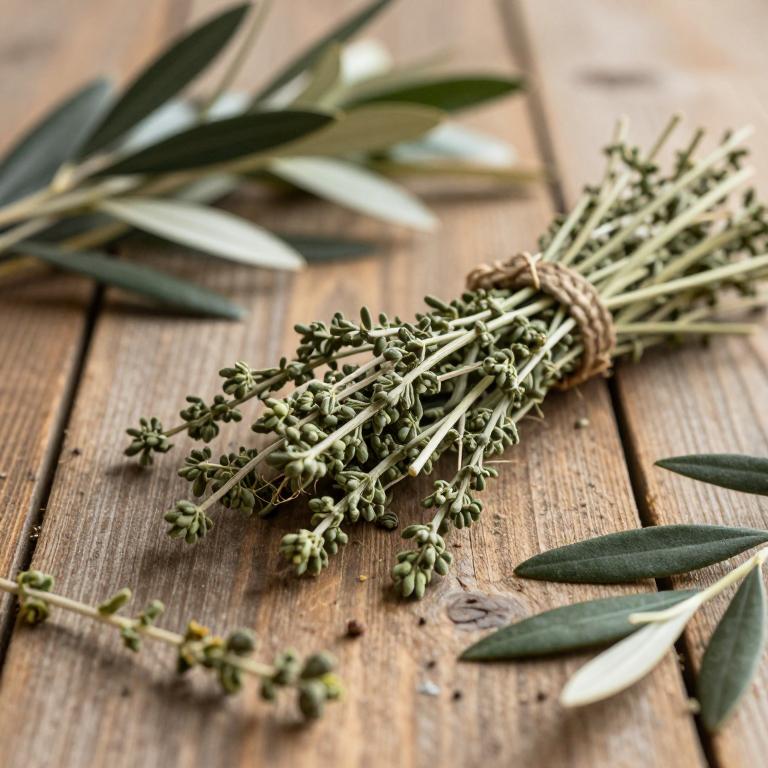
Olea is a genus of evergreen shrubs and trees that holds immense significance in both Mediterranean ecosystems and human history. Renowned primarily for its production of olive oil, this plant serves as a vital economic and cultural cornerstone for many regions. Beyond its culinary uses, the genus is scientifically distinguished by its rich concentration of bioactive compounds. Specifically, the presence of secoiridoids within its tissues provides potent antioxidant and anti-inflammatory properties. These unique chemical constituents make Olea a subject of intense interest in modern pharmacological research.
- Synonyms
- Enaimon · Steganthus · 2 more
- Common names
- Not available
- Family
- Oleaceae
- Distribution
- Not available
- Plant Parts
- Not available
Classification
Common Names
Olea is a versatile genus that is known by many different names across various cultures and languages. It is most widely recognized by its common English name, Olives, though it is also frequently referred to as Olives or Olive Slugs in certain contexts. In Spanish-speaking regions, you will often encounter the terms Oliveiras or Olivos to describe the plant. Furthermore, the name Oliwka is used to identify it in other linguistic traditions. This variety of nomenclature highlights the global significance and widespread presence of this remarkable plant.
Sources: Catalogue of Life (COL)
Synonyms
Olea is a botanical genus that has been historically documented under several different taxonomic names. Throughout various scientific studies, it has been identified by synonyms such as Enaimon. The plant has also been referred to in older literature as Leuranthus. Furthermore, researchers have utilized the names Steganthus and Stereoderma to describe variations within this group. These multiple designations highlight the complex evolutionary and classification history associated with the genus.
Sources: The World Checklist of Vascular Plants (WCVP)
Taxonomy
Olea belongs to the vast kingdom Plantae, representing a fundamental part of the natural world. Within this kingdom, it is classified under the class Equisetopsida and falls into the specific order Lamiales. This botanical lineage continues as it is nested within the family Oleaceae. Finally, the plant is defined by its own distinct genus, Olea. Through this hierarchical structure, the plant's unique biological identity is clearly established.
| Rank | Classification |
|---|---|
| Kingdom | Plantae |
| Phylum | Streptophyta |
| Class | Equisetopsida |
| Subclass | Magnoliidae |
| Order | Lamiales |
| Family | Oleaceae |
| Genus | Olea |
Sources: The World Checklist of Vascular Plants (WCVP)
Distribution
Geographic Regions
Olea exhibits a broad and diverse distribution pattern across several distinct regions of the African continent. In East Tropical Africa, the genus is well-established within the territories of Kenya, Tanzania, and Uganda. Beyond the mainland, its reach extends to the Atlantic islands of Macaronesia. Specifically, these plants can be found flourishing in the Canary Islands as well as throughout Madeira. This widespread presence highlights the significant ecological adaptability of the genus across different African landscapes.
Sources: The World Checklist of Vascular Plants (WCVP)