Oldenlandia
Oldenlandia · Accepted scientific name
Scientific literature: Very Sparse (3 studies) · ★☆☆☆☆
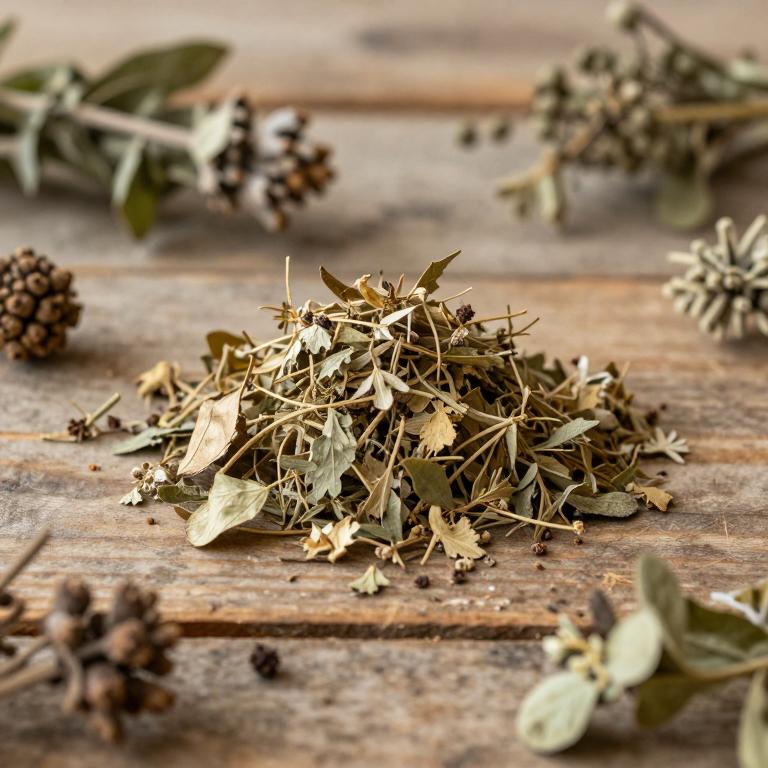
Oldenlandia is a versatile genus of plants that has garnered significant attention for its diverse pharmacological potential. The entire plant is frequently utilized in various traditional preparations to harness its complex biochemical properties. It is rich in bioactive secondary metabolites, including anthocyanidins, anthraquinones, coumarins, and flavonoids. These chemical constituents contribute to the plant's impressive therapeutic profile, which encompasses anticancer and antimicrobial activities. Furthermore, research highlights its valuable hepatoprotective effects, making it a subject of great interest in medicinal studies.
- Synonyms
- Dyctiospora · Eionitis · 6 more
- Common names
- Not available
- Family
- Rubiaceae
- Distribution
- Southern America
- Plant Parts
- Not available
Classification
Common Names
Oldenlandia is a diverse genus of plants that is recognized by various names across different languages and cultures. In English-speaking regions, it is frequently referred to by its botanical name, Oldenlandia, or sometimes simply as Oldenlandie. In Thailand, the plant is locally known by common names such as หญ้าลิ้นงู. Its classification is also reflected in Chinese nomenclature as 繖花龍吐珠屬. Additionally, in Korean contexts, the genus is identified as 백운풀속, showcasing its widespread global presence.
Sources: Catalogue of Life (COL)
Synonyms
Oldenlandia is a botanical genus that encompasses several historical classifications now recognized as synonyms. Within its taxonomic scope, the names Dyctiospora and Eionitis are frequently cited as alternative identifiers for its species. Researchers also acknowledge Gerontogea and Karamyschewia as synonymous terms within this complex group. Furthermore, the name Mitratheca serves as another important synonym tied to the genus's evolutionary history. Understanding these various nomenclatural relationships is essential for accurate plant identification and classification.
Sources: The World Checklist of Vascular Plants (WCVP)
Taxonomy
Oldenlandia is a diverse genus of plants that belongs to the vast kingdom Plantae. Within this botanical kingdom, the genus is classified under the class Equisetopsida. It is further organized into the order Gentianales, a group known for its distinct floral characteristics. As a member of the Rubiaceae family, it shares evolutionary traits with many well-known flowering plants. This taxonomic hierarchy provides a clear understanding of the biological relationships that define the Oldenlandia genus.
| Rank | Classification |
|---|---|
| Kingdom | Plantae |
| Phylum | Streptophyta |
| Class | Equisetopsida |
| Subclass | Magnoliidae |
| Order | Gentianales |
| Family | Rubiaceae |
| Genus | Oldenlandia |
Sources: The World Checklist of Vascular Plants (WCVP)
Distribution
Geographic Regions
Oldenlandia displays a diverse and widespread distribution across several key regions within the African continent. In East Tropical Africa, the genus is notably present in the landscapes of Kenya, Tanzania, and Uganda. Beyond the mainland, its reach extends to the Macaronesia region, specifically within the islands of Cape Verde. The plant's adaptability is further evidenced by its existence in the Middle Atlantic Ocean on Ascension Island. Collectively, these locations highlight the broad ecological range that this genus maintains throughout its habitat.
Sources: The World Checklist of Vascular Plants (WCVP)
Identification
Biological Activities
Oldenlandia species exhibit a diverse range of pharmacological properties that highlight their significant medicinal potential. Research indicates that these plants possess potent anticancer activities, with specific species like O. diffusa showing remarkable effects against various malignancies. Furthermore, the genus demonstrates effective antimicrobial capabilities, particularly through species such as O. corymbosa and O. umbellata. The presence of key compounds like ursolic acid also contributes to the genus's proven hepatoprotective properties. Ultimately, these multifaceted biological activities underscore the importance of further exploring Oldenlandia as a versatile herbal resource.
Compounds
Oldenlandia species possess a diverse phytochemical profile that contributes to their significant pharmacological potential. These plants are characterized by the presence of various bioactive compounds, including flavonoids and anthocyanidins. Additionally, the genus contains important constituents such as iridoids and anthraquinones. The chemical makeup is further enriched by the presence of coumarins found within these species. Together, these diverse substances underscore the multifaceted medicinal value of the Oldenlandia genus.
Conditions
Preparations
Oldenlandia is prepared as the entire plant to achieve the most significant pharmacological effects. This holistic utilization allows for the extraction of a diverse range of phytochemicals, including iridoids, anthraquinones, and triterpenes. By using the whole plant, the various medicinal properties of the genus are more effectively harnessed for therapeutic purposes. This method of preparation is particularly important for maximizing the anticancer and anti-inflammatory capabilities of species like O. diffusa. Consequently, the complete plant serves as a vital resource for unlocking its full medicinal potential.