Oldenlandia corymbosa var. corymbosa
Oldenlandia corymbosa var. corymbosa · Accepted scientific name
Scientific literature: Very Sparse (1 studies) · ★☆☆☆☆
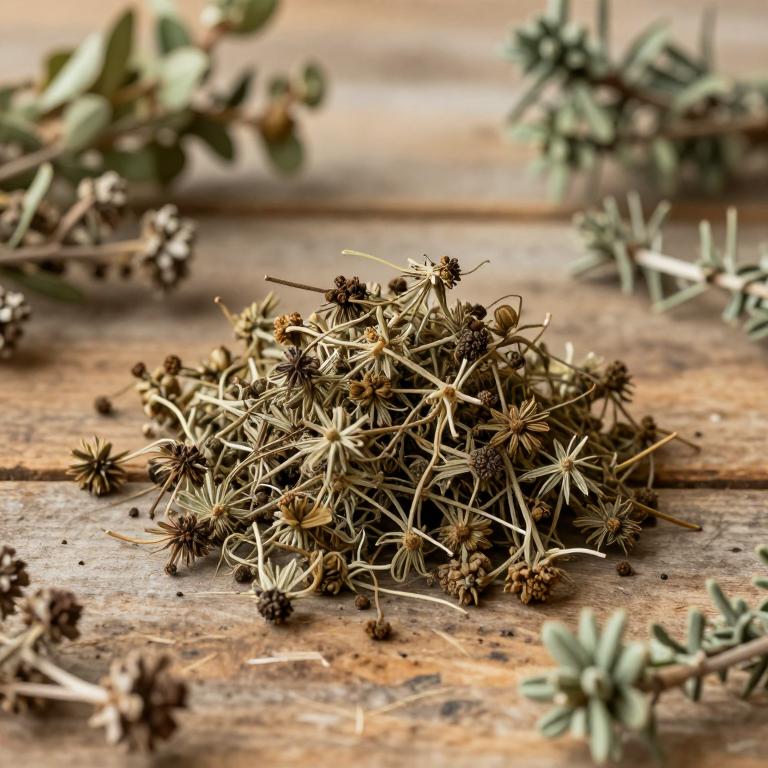
Oldenlandia corymbosa var. corymbosa is a botanical species recognized for its unique morphological features and diverse biological properties. This plant has garnered significant attention within the scientific community due to its potent medicinal potential. Specifically, researchers are increasingly focusing on its impressive antimicrobial activities against various pathogens. By exploring these bioactive compounds, scientists aim to uncover new therapeutic applications for modern medicine. Understanding the chemical profile of this variety remains essential for advancing its use in natural pharmacology.
- Synonyms
- Hedyotis Corymbosa Var. Ampla · Hedyotis Diantha · 18 more
- Common names
- Not available
- Family
- Rubiaceae
- Distribution
- Not available
- Plant Parts
- Not available
Classification
Synonyms
Oldenlandia corymbosa var. corymbosa is a botanical species characterized by a complex network of taxonomic synonyms. This plant is frequently identified in various scientific records as Gerontogea biflora or Gerontogea herbacea. Furthermore, it has been categorized under different names within the Hedyotis genus, such as Hedyotis biflora var. graminicola and Hedyotis corymbosa var. ampla. Some researchers may also refer to this variety using the synonym Hedyotis depressa. Understanding these overlapping names is essential for accurate identification and consistent communication in botanical studies.
Sources: The World Checklist of Vascular Plants (WCVP)
Taxonomy
Oldenlandia corymbosa var. corymbosa is a unique botanical specimen that belongs to the kingdom Plantae. Within this vast kingdom, the plant is classified under the class Equisetopsida. It further resides in the order Gentianales, showcasing its specific evolutionary lineage. As a member of the genus Oldenlandia, it displays distinct characteristics common to its group. Ultimately, this variety is a recognized part of the diverse Rubiaceae family.
| Rank | Classification |
|---|---|
| Kingdom | Plantae |
| Phylum | Streptophyta |
| Class | Equisetopsida |
| Subclass | Magnoliidae |
| Order | Gentianales |
| Family | Rubiaceae |
| Genus | Oldenlandia |
Sources: The World Checklist of Vascular Plants (WCVP)
Distribution
Geographic Regions
Oldenlandia corymbosa var. corymbosa is a botanical variety with an extensive distribution across the African continent. Within East Tropical Africa, this plant can be found flourishing in the diverse landscapes of Kenya, Tanzania, and Uganda. Its presence also extends to the Northeast Tropical region, specifically within the borders of Chad. Furthermore, the species reaches across the Atlantic to inhabit the Macaronesian islands of Cape Verde. This widespread range highlights the plant's ability to adapt to various ecological niches throughout Africa and its surrounding archipelagos.
Sources: The World Checklist of Vascular Plants (WCVP)
Identification
Biological Activities
Oldenlandia corymbosa var. corymbosa, also known as Hedyotis biflora, serves as a rich source of bioactive compounds with significant therapeutic potential. Recent research has highlighted the isolation of Hedyotide B1, a novel cyclotide that possesses potent antimicrobial properties. This cyclic peptide demonstrates effectiveness against both Gram-positive and Gram-negative bacteria, maintaining minimal inhibitory concentrations within the micromolar range. Scientists have focused on the complex process of oxidative folding required to stabilize this peptide's unique cystine knot structure. Through systematic optimization, it was discovered that high concentrations of organic cosolvents, such as 2-propanol, are essential for successfully synthesizing this defensive molecule.