Oenothera odorata
Oenothera odorata · Accepted scientific name
Scientific literature: Very Sparse (6 studies) · ★☆☆☆☆
, scientifically known as Oenothera odorata, is a delicate wildflower valued for its unique therapeutic potential. Often found in specific ecological niches, this plant offers intriguing properties in traditional herbalism. Exploring its chemical composition reveals fascinating possibilities for natural wellness, making it a subject of significant botanical and medicinal interest.
- Family
- Onagraceae
- Native range
- Europe
- Parts used
- Seed
- Common names
- Not available
- Scientific synonyms
- Onagra Undulata · Oenothera Odorata Var. Virescens · 12 more
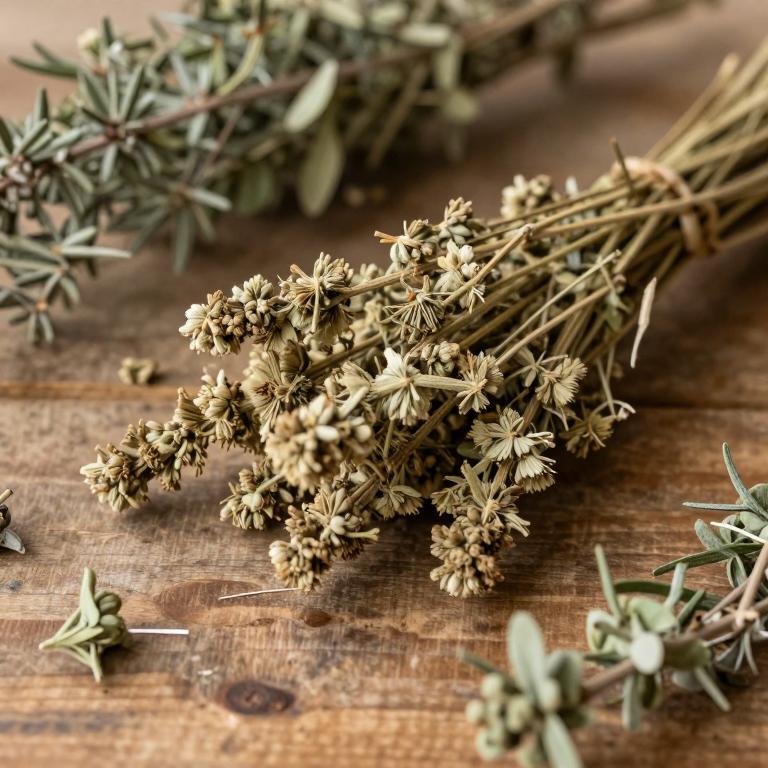
Names and Synonyms
Scientific Names
Accepted name
Oenothera odorataSynonyms
- Onagra undulata
- Oenothera odorata var. virescens
- Raimannia odorata
- Oenothera odoratissima
- Oenothera undulata
- Oenothera micans
- Oenothera ibari
- Oenothera mollissima subsp. odorata
- Oenothera polymorpha var. undulata
- Oenothera polymorpha var. ibari
- Oenothera odorata var. undulata
- Oenothera odorata var. media
- Oenothera odorata var. glaucescens
- Oenothera odorata var. glabrescens
Regional and Traditional Names
Spanish:
- Onagra Perfumada
Sources: Wikidata, Catalogue of Life
Taxonomical Classification
This plant belongs to the kingdom Plantae and is classified under the phylum Streptophyta and the class Equisetopsida. Within the subclass Magnoliidae, it falls under the order Myrtaleales and the family Onagraceae. Finally, it is specifically identified by the genus Oenothera.
| Rank | Classification |
|---|---|
| Kingdom | Plantae |
| Phylum | Streptophyta |
| Class | Equisetopsida |
| Subclass | Magnoliidae |
| Order | Myrtales |
| Family | Onagraceae |
| Genus | Oenothera |
Sources: The World Checklist of Vascular Plants (WCVP)
Distribution
This plant exhibits a diverse and widespread geographical distribution across several continents. In Southeastern Europe, it can be found specifically within the territory of Romania. Its range extends to the Macaronesian islands, where it inhabits the region of Madeira. The species is also present in the vast landscapes of West Siberia and throughout the West Himalaya in the Indian Subcontinent. Finally, its reach stretches to the Southern Hemisphere, specifically within Northeast Argentina.
| Region | Area |
|---|---|
| Southeastern Europe | Romania |
| Macaronesia | Madeira |
| Siberia | West Siberia |
| Indian Subcontinent | West Himalaya |
| Southern South America | Argentina Northeast |
| Southern South America | Argentina South |
| Southern South America | Argentina Northwest |
| Southern South America | Chile South |
Sources: The World Checklist of Vascular Plants (WCVP)
Botanical Identification
Ecology
The ecology of Oenothera odorata is characterized by its ability to thrive across a vast altitudinal gradient, spanning from sea level at 0 m AMSL to high-altitude environments reaching up to 2800 m AMSL. This wide elevational range suggests a high degree of adaptability to varying temperature regimes and atmospheric pressures. In terms of substrate preference, the species is specifically associated with sandy habitats, where its root systems can effectively navigate the porous and well-drained soil structure. This preference for sand indicates a niche specialized for environments that may experience rapid moisture fluctuations or nutrient-poor conditions typical of sandy terrestrial ecosystems.
- Elevational range max:
- 2800 m AMSL
- Elevational range min:
- 0 m AMSL
- Habitat :
- sand
Life history
The life history of Oenothera odorata is characterized by a variable lifecycle, as it can function as an annual, biennial, or perennial depending on environmental conditions and resource availability. During its active growth phase, the plant undergoes a developmental progression that begins with seed germination, typically following seasonal moisture shifts. As it progresses through its life stages, the plant focuses on vegetative establishment before transitioning into its reproductive phase, where it produces fragrant flowers to facilitate pollination. The ability to shift between different lifecycles allows the species to adapt its survival strategy to the stability of its habitat, ensuring reproductive success through either rapid single-season seeding or more sustained multi-year growth patterns.
- Lifecycle :
- annual
Morphology
The morphology of Oenothera odorata is characterized by a non-woody, herbaceous growth form, functioning primarily as a self-supporting herb. This plant exhibits a terrestrial lifestyle, existing neither as an aquatic nor a semiaquatic species, and it maintains an independent existence rather than acting as a parasite or an epiphyte. Structurally, it does not possess climbing mechanisms such as lianas or vines, as it is entirely self-supporting. In terms of stature, the plant reaches a maximum height of approximately 0.6 m.
- Aquatic :
- terrestrial
- Climber :
- self-supporting
- Epiphyte :
- terrestrial
- Growth form :
- herb
- Parasite :
- independent
- Plant height max:
- 0.6 m
- Woodiness :
- non-woody
Physiology
The physiology of Oenothera odorata is fundamentally characterized by its utilization of the C3 photosynthetic pathway, a mechanism where carbon dioxide is fixed directly into a three-carbon compound during the initial stages of the Calvin cycle. This metabolic process dictates the plant's resource acquisition strategies, particularly regarding its water-use efficiency and gas exchange dynamics within its specific ecological niche. As a C3 plant, its enzymatic activity relies heavily on the enzyme RuBisCO for carbon fixation, which makes its photosynthetic rate sensitive to temperature fluctuations and photorespiration levels. The physiological regulation of its stomatal conductance and transpiration rates is intrinsically linked to this C3 pathway, influencing how the plant manages its internal water potential and nutrient transport to support its metabolic demands and growth cycles.
- Photosynthetic pathway :
- C3
Reproduction
The reproduction of Oenothera odorata is characterized by a specific flowering phenology and highly uniform seed characteristics. The plant's flowering period is concentrated within the month of June, with both the onset and the conclusion of its blooming phase occurring during this timeframe. Following pollination, the plant produces seeds that exhibit remarkable consistency in physical properties; the seed mass is exceptionally uniform, with a mean, maximum, and minimum value all recorded at 0.00038 g. This lack of variance in seed weight suggests a highly stabilized reproductive output during its seasonal cycle.
- Flowering time :
- Jun
- Seed mass mean:
- 0.00038 g
Sources: Global Inventory of Floras and Traits (GIFT)
Plant Parts
Oenothera odorata has 1 reported plant parts identified across 1 scientific publications and several other databases that are studied for medicinal purposes. The most consistently reported plant part include seed.
| Plant part | Supporting sources | Consensus |
|---|---|---|
| Seed | 1 supporting sources | ★☆☆☆☆ |
Seed
- Journal of ethnopharmacology
Chemicals
Oenothera odorata has 1 reported phytochemicals identified across 1 scientific publications and several other databases. The most consistently reported chemicals include ethanol.
| Chemical | Supporting sources | Consensus |
|---|---|---|
| ethanol | 1 supporting sources | ★☆☆☆☆ |
ethanol
- Journal of ethnopharmacology
Conditions
Oenothera odorata has 4 reported investigations on conditions identified across 1 scientific publications and several other databases. The most consistently reported conditions include cancer, inflammation, lung adenocarcinoma, melanoma.
| Condition | Supporting sources | Consensus |
|---|---|---|
| Cancer | 1 supporting sources | ★☆☆☆☆ |
| Inflammation | 1 supporting sources | ★☆☆☆☆ |
| Lung adenocarcinoma | 1 supporting sources | ★☆☆☆☆ |
| Melanoma | 1 supporting sources | ★☆☆☆☆ |
Cancer
- Nutrition and cancer
Inflammation
- Nutrition and cancer
Lung adenocarcinoma
- Nutrition and cancer
Melanoma
- Nutrition and cancer
Preparations
Oenothera odorata has 1 reported preparations identified across 1 scientific publications and several other databases. The most consistently reported preparations include extract.
| Preparation | Supporting sources | Consensus |
|---|---|---|
| Extract | 1 supporting sources | ★☆☆☆☆ |
Extract
- Nutrition and cancer