Ocotea indecora
Ocotea indecora · Accepted scientific name
Scientific literature: Very Sparse (0 studies) · ★☆☆☆☆
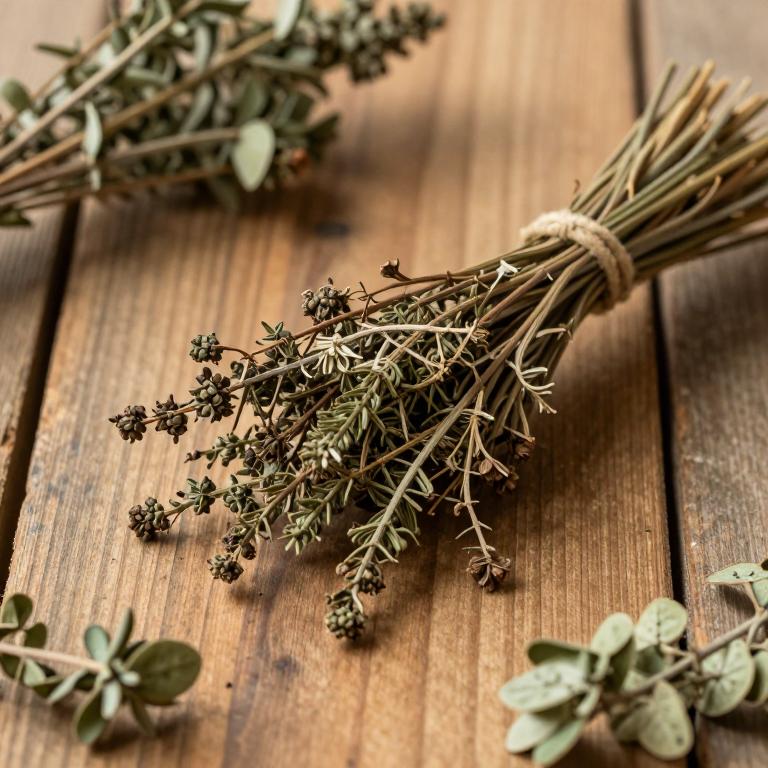
Ocotea indecora is a distinguished tree species known for its unique botanical characteristics. One of its most notable features is the structure and appearance of its leaf. These leaves serve as a primary identifier for researchers studying the plant's specific morphology. By observing the leaf closely, one can better understand the ecological niche this species occupies. Studying such details provides essential insights into the broader diversity of the Ocotea genus.
- Synonyms
- Ocotea Pretiosa Var. Indecora · Aiouea Tenuiflora · 10 more
- Common names
- Not available
- Family
- Lauraceae
- Distribution
- Not available
- Plant Parts
- Leaf
Classification
Synonyms
Ocotea indecora is a plant species that has been classified under several different botanical names throughout its taxonomic history. It is recognized by the synonym Aiouea tenuiflora, which represents one of its alternative scientific identities. Furthermore, the species has been linked to the name Ceramocarpium maximilianum in various botanical records. The plant is also closely associated with the genus Mespilodaphne, specifically under the designation Mespilodaphne indecora. This complex relationship extends to specific variations, including both Mespilodaphne indecora var. cannella and Mespilodaphne indecora var. intermedia.
Sources: The World Checklist of Vascular Plants (WCVP)
Taxonomy
Ocotea indecora is a distinctive species that belongs to the vast kingdom Plantae. Within this kingdom, it is classified under the class Equisetopsida, representing its role as a vascular plant. This species is further organized into the order Laurales, which highlights its evolutionary lineage. It is a member of the specific genus Ocotea, a group known for its unique botanical characteristics. Finally, its biological identity is solidified by its placement within the Lauraceae family.
| Rank | Classification |
|---|---|
| Kingdom | Plantae |
| Phylum | Streptophyta |
| Class | Equisetopsida |
| Subclass | Magnoliidae |
| Order | Laurales |
| Family | Lauraceae |
| Genus | Ocotea |
Sources: The World Checklist of Vascular Plants (WCVP)
Distribution
Geographic Regions
Ocotea indecora is a notable species primarily found within the diverse landscapes of Southern America. Its geographical reach is particularly concentrated throughout various regions of Brazil. Within the country, the plant maintains a significant presence across the Northeast territory. It also flourishes throughout the Southeast, demonstrating a wide adaptability to local climates. Furthermore, its distribution extends into the southern reaches of Brazil, solidifying its importance to the regional ecosystem.
Sources: The World Checklist of Vascular Plants (WCVP)
Identification
Morphology
Ocotea indecora is a self-supporting plant that takes the form of a tree. This species typically reaches a maximum height of 25 meters in its natural environment. However, it can also be found growing at a more modest height of up to 8 meters. These varying dimensions reflect the diverse growth patterns found within its habitat.
Sources: Global Inventory of Floras and Traits (GIFT)
Biological Activities
Compounds
Conditions
Ocotea indecora exhibits a fungistatic effect against several harmful fungal strains, including Aspergillus flavus RC 2054, Aspergillus parasiticus NRRL 2999, and Aspergillus westerdjikiae NRRL 3174. While the essential oil from this native Brazilian species did not show fungicidal activity, it successfully inhibited the growth of these specific Aspergillus species. The application of a nanoemulsion derived from the plant further enhanced this effect by significantly decreasing the required fungistatic concentration. This improvement was particularly notable in the treatment of Aspergillus westerdjikiae. Ultimately, these plant-based extracts serve as potential natural alternatives to synthetic preservatives for managing these food contaminants.
Preparations
Parts used
Ocotea indecora is a native and endemic species found within the Mata Atlântica forest of Brazil. Researchers have focused on the specific biological properties found within the plant's leaf to explore its medicinal potential. By extracting essential oils from these leaves, scientists can develop bioactive substances that serve as natural alternatives to synthetic preservatives. The study specifically investigated the use of leaf-derived nanoemulsions to enhance the stability and bioavailability of these extracts. Ultimately, these leaf components demonstrated a significant fungistatic effect against certain Aspergillus species.