Ocimum basilicum var. basilicum
Ocimum basilicum var. basilicum · Accepted scientific name
Scientific literature: Very Sparse (0 studies) · ★☆☆☆☆
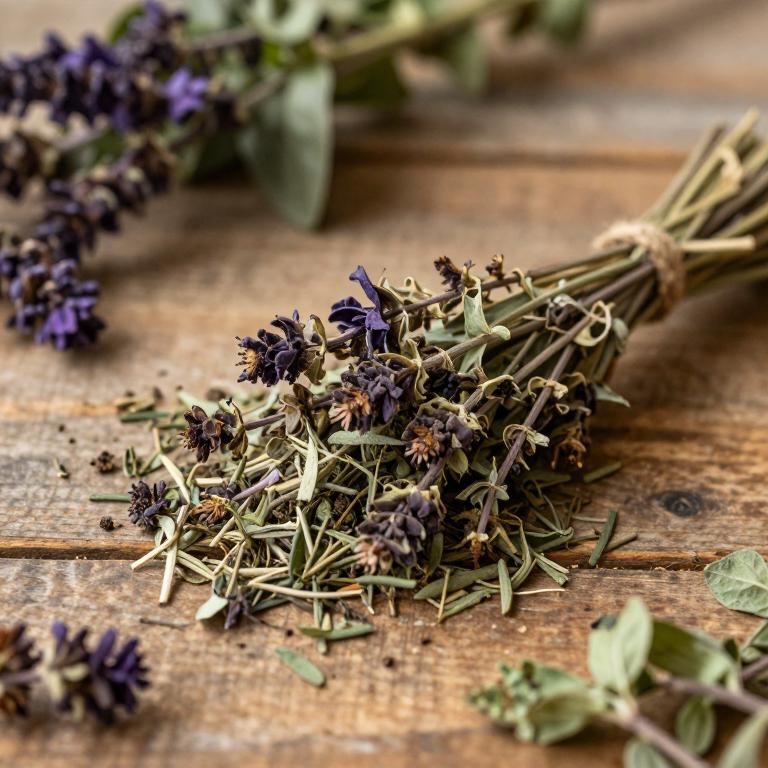
Ocimum basilicum var. basilicum, commonly known as sweet basil, is a versatile aromatic herb widely recognized for its diverse pharmacological potential. Recent scientific investigations have focused on the medicinal properties of its methanol (MeOH) extract to identify novel bioactive compounds. One significant area of study involves the plant's ability to induce a hypoglycemic effect, offering potential benefits for metabolic regulation. Furthermore, research has explored its efficacy in addressing parasitic challenges, specifically concerning Trypanosoma brucei brucei. Understanding these therapeutic applications highlights the importance of this variety in developing natural treatments for complex physiological conditions.
- Synonyms
- Plectranthus Barrelieri · Ocimum Caryophyllatum · 32 more
- Common names
- Not available
- Family
- Lamiaceae
- Distribution
- Africa
- Plant Parts
- Not available
Classification
Synonyms
Ocimum basilicum var. basilicum is a taxonomically complex plant that is associated with several distinct botanical synonyms. Within scientific literature, this variety is frequently identified by the alternative name Ocimum album. It is also linked to the designation Ocimum anisatum, reflecting various historical classifications. Furthermore, the plant is connected to the synonyms Ocimum barrelieri and Ocimum basilicum var. album. Finally, the name Ocimum basilicum var. bullatum serves as another recognized synonym within its diverse botanical identity.
Sources: The World Checklist of Vascular Plants (WCVP)
Taxonomy
Ocimum basilicum var. basilicum is a fascinating member of the kingdom Plantae that offers much more than just culinary flavor. Within this vast botanical world, it is classified under the class Equisetopsida and belongs to the diverse order Lamiales. This specific variety is a distinguished representative of the genus Ocimum, showcasing the unique traits of its lineage. It further finds its place within the aromatic family Lamiaceae, a group known for many highly fragrant species. Understanding these scientific relationships provides a deeper appreciation for the biological complexity of this beloved herb.
| Rank | Classification |
|---|---|
| Kingdom | Plantae |
| Phylum | Streptophyta |
| Class | Equisetopsida |
| Subclass | Magnoliidae |
| Order | Lamiales |
| Family | Lamiaceae |
| Genus | Ocimum |
Sources: The World Checklist of Vascular Plants (WCVP)
Distribution
Geographic Regions
Ocimum basilicum var. basilicum exhibits a diverse geographic range that spans several key regions across the African continent. In East Tropical Africa, this variety is widely distributed throughout the landscapes of Kenya, Tanzania, and Uganda. Its presence extends beyond the mainland to include the unique island environments of Macaronesia. Specifically, the plant can be found thriving within the Canary Islands and the archipelago of Cape Verde. This broad distribution highlights the adaptability of the species across varied African ecosystems.
Sources: The World Checklist of Vascular Plants (WCVP)
Identification
Biological Activities
Compounds
Conditions
Ocimum basilicum var. basilicum exhibits significant therapeutic potential through its ability to treat Trypanosoma brucei brucei. This plant is also utilized in traditional practices to treat human febrile illness locally known as "mich." Furthermore, the species demonstrates a beneficial hypoglycemic effect in clinical applications. These diverse medicinal properties highlight its importance in managing both parasitic infections and metabolic conditions. Such multifaceted relationships underscore the plant's value in both traditional and experimental medicine.
Preparations
Ocimum basilicum var. basilicum is prepared as a MeOH extract according to the experimental procedures described in the study. This specific preparation method was utilized to evaluate the medicinal properties of various Ethiopian plant species. The researchers employed methanol to create crude extracts for testing against Trypanosoma brucei brucei and human leukaemia cells. While the provided abstract details the efficacy of other species, the methodology confirms that MeOH was one of the primary solvents used for extraction. Consequently, the MeOH extract of this plant serves as a key component in the assessment of its trypanocidal and cytotoxic potential.