Ochrosia glomerata
Ochrosia glomerata · Accepted scientific name
Scientific literature: Very Sparse (4 studies) · ★☆☆☆☆
, scientifically known as Ochrosiia glomerata, is a versatile medicinal shrub native to the tropical regions of the Americas. Renowned for its diverse therapeutic properties, this plant is traditionally utilized in various cultures to treat ailments ranging from skin inflammations to digestive issues, showcasing its significant value in ethnobotany.
- Family
- Apocynaceae
- Native range
- Asia-Tropical
- Parts used
- Not available
- Common names
- Not available
- Scientific synonyms
- Cerbera Glomerata · Pseudochrosia Glomerata · 2 more
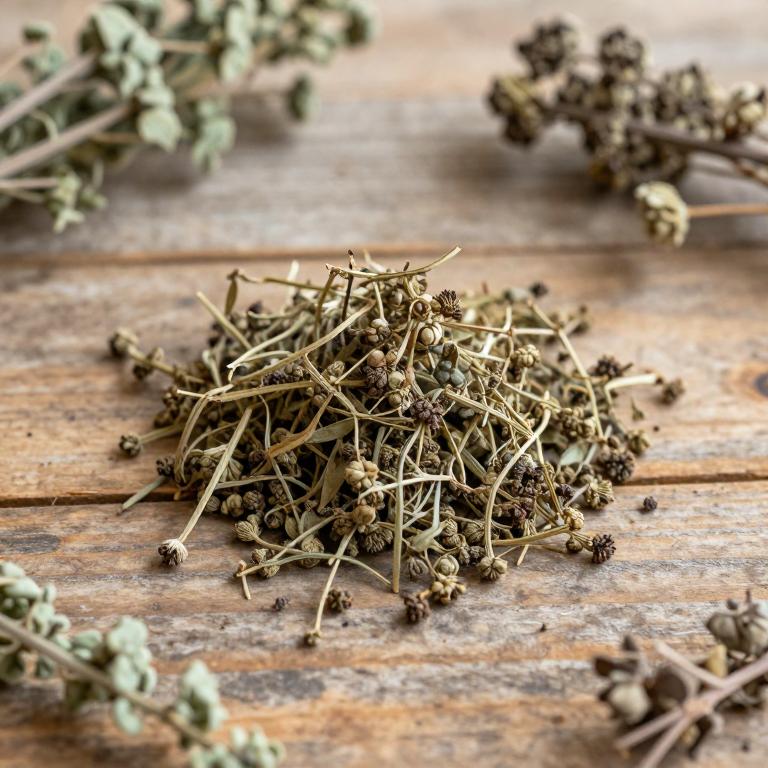
Names and Synonyms
Scientific Names
Accepted name
Ochrosia glomerataSynonyms
- Cerbera glomerata
- Pseudochrosia glomerata
- Lactaria glomerata
- Neisosperma glomeratum
Sources: Wikidata
Taxonomical Classification
This plant belongs to the kingdom Plantae and is classified under the phylum Streptophyta and class Equisetopsida. Within the subclass Magnoliidae and order Gentianaales, it is a member of the family Apocynaceae. Its scientific classification is completed by its placement in the genus Ochrosia.
| Rank | Classification |
|---|---|
| Kingdom | Plantae |
| Phylum | Streptophyta |
| Class | Equisetopsida |
| Subclass | Magnoliidae |
| Order | Gentianales |
| Family | Apocynaceae |
| Genus | Ochrosia |
Sources: The World Checklist of Vascular Plants (WCVP)
Distribution
This plant is widely distributed across various regions within the Malesia botanical zone. Specifically, it can be found growing in the lush environments of Borneo and the Philippines. Its range also extends to the islands of Sulawesi and the Maluku archipelago. Furthermore, the species is present within the Papuasia region, specifically inhabiting New Guinea. Together, these locations highlight its significant presence throughout the tropical Indo-Pacific area.
| Region | Area |
|---|---|
| Malesia | Borneo |
| Malesia | Maluku |
| Malesia | Philippines |
| Malesia | Sulawesi |
| Papuasia | New Guinea |
| Papuasia | Solomon Is. |
Sources: The World Checklist of Vascular Plants (WCVP)
Botanical Identification
Life history
The life history of Ochrosiia glomerata is characterized by its classification as a phanerophyte, a life form where the perennating buds are located well above the ground on woody stems. Within the nuances of its ecological strategy, it is specifically identified as both a phanerophyte and a nanophanerophyte, indicating that while it maintains a woody structure with elevated buds, its stature is relatively small or shrub-like compared to larger forest trees. This growth habit allows the plant to persist through various seasonal changes by protecting its regenerative tissues on elevated branches, ensuring long-term survival within its tropical habitat.
- Life form :
- phanerophyte
Morphology
The morphology of Ochroosia glomerata is characterized by its growth form as a woody tree, which maintains a self-supporting structural habit. Rather than functioning as a climber, liana, or vine, the plant is a robust, independent organism that does not exhibit parasitic behavior, functioning as an independent species within its ecosystem. It is classified as a terrestrial plant, lacking aquatic or semiaquatic adaptations, and it does not grow as an epiphyte, instead establishing itself firmly in the soil. The plant's physical architecture is defined by its significant woodiness, providing the necessary stability for its arboreal stature.
- Aquatic :
- terrestrial
- Climber :
- self-supporting
- Epiphyte :
- terrestrial
- Growth form :
- tree
- Parasite :
- independent
- Woodiness :
- woody
Physiology
The physiology of Ochrosia glomerata is characterized by a metabolic framework centered around the C3 photosynthetic pathway. As a C3 plant, its carbon fixation process relies on the direct carboxylation of ribulose-1,5-bisphosphate (RuBP) by the enzyme ribulose-1,5-bisphosphate carboxylase/oxygenase (RuBisCO) within the mesophyll cells, leading to the immediate production of three-carbon molecules such as 3-phosphoglycerate. This pathway dictates the plant's gas exchange dynamics and water-use efficiency, as it lacks the specialized CO2-concentrating mechanisms found in C4 or CAM species, making its photosynthetic rate highly sensitive to ambient temperature and the potential for photorespiration when stomata close under moisture stress. Consequently, its physiological performance and biomass accumulation are closely tied to environmental moisture availability and light intensity, which govern the efficiency of its C3 cycle.
- Photosynthetic pathway :
- C3
Sources: Global Inventory of Floras and Traits (GIFT)
Activities
Ochrosia glomerata has 1 reported activities identified across 0 scientific publications and several other databases. The most consistently reported activities include Antiplasmodial.
| Activity | Supporting sources | Consensus |
|---|---|---|
| Antiplasmodial | 1 supporting sources | ★☆☆☆☆ |
Antiplasmodial
- Phytomedicine : international journal of phytotherapy and phytopharmacology
Conditions
Ochrosia glomerata has 1 reported investigations on conditions identified across 0 scientific publications and several other databases. The most consistently reported conditions include Plasmodium falciparum.
| Condition | Supporting sources | Consensus |
|---|---|---|
| Plasmodium falciparum | 1 supporting sources | ★☆☆☆☆ |
Plasmodium falciparum
- Phytomedicine : international journal of phytotherapy and phytopharmacology
Preparations
Ochrosia glomerata has 2 reported preparations identified across 0 scientific publications and several other databases. The most consistently reported preparations include rt, sb.
| Preparation | Supporting sources | Consensus |
|---|---|---|
| Rt | 1 supporting sources | ★☆☆☆☆ |
| Sb | 1 supporting sources | ★☆☆☆☆ |
Rt
- Phytomedicine : international journal of phytotherapy and phytopharmacology
Sb
- Phytomedicine : international journal of phytotherapy and phytopharmacology