Ochna calodendron
Ochna calodendron · Accepted scientific name
Scientific literature: Very Sparse (4 studies) · ★☆☆☆☆
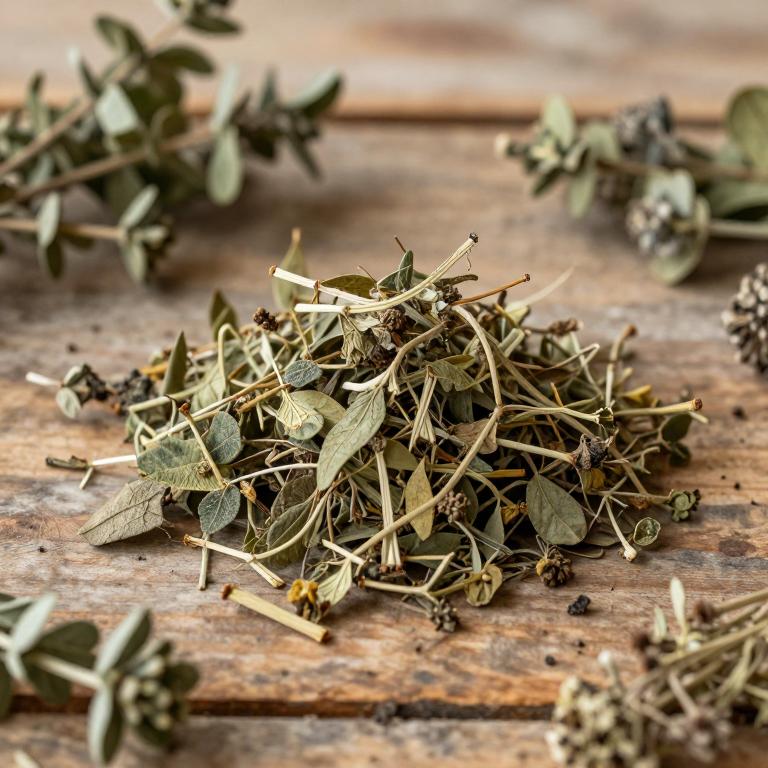
scientifically known as Ochna calodendron, is a striking ornamental shrub celebrated for its vibrant, golden blooms. Often referred to as the Yellow Bird Bush, this resilient plant thrives in tropical climates. Beyond its aesthetic beauty, it holds potential in traditional medicine for its diverse bioactive and healing properties.
- Family
- Ochnaceae
- Native range
- Africa
- Parts used
- Leaf
- Common names
- Not available
- Scientific synonyms
- Not available
Names and Synonyms
Scientific Names
Accepted name
Ochna calodendronSources: Wikidata
Taxonomical Classification
This plant belongs to the kingdom Plantae and is classified under the phylum Streptophyta within the class Equisetopsida. As a member of the subclass Magnoliidae and the order Malpighiales, it is further categorized into the family Ochnaceae. Ultimately, it is identified by its genus, Ochna.
| Rank | Classification |
|---|---|
| Kingdom | Plantae |
| Phylum | Streptophyta |
| Class | Equisetopsida |
| Subclass | Magnoliidae |
| Order | Malpighiales |
| Family | Ochnaceae |
| Genus | Ochna |
Sources: The World Checklist of Vascular Plants (WCVP)
Distribution
This plant is primarily located within the West-Central Tropical Africa region. Its specific geographical range includes the territory of the Central African Republic. Additionally, the species can be found growing throughout Cameroon. It is also widely distributed across the nation of Congo. These specific locations define the natural habitat of this medicinal species.
| Region | Area |
|---|---|
| West-Central Tropical Africa | Central African Republic |
| West-Central Tropical Africa | Cameroon |
| West-Central Tropical Africa | Congo |
Sources: The World Checklist of Vascular Plants (WCVP)
Botanical Identification
Morphology
The morphology of Ochna calodendron is characterized by its stature as a large, woody tree, capable of reaching a significant plant height with a mean measurement of approximately 25 m. As a terrestrial species, it does not exhibit aquatic or epiphytic habits, maintaining an independent existence without parasitism. The plant possesses a self-supporting growth form, meaning it does not function as a climber, liana, or vine, but rather relies on its own sturdy, woody structure for upright development.
- Aquatic :
- terrestrial
- Climber :
- self-supporting
- Epiphyte :
- terrestrial
- Growth form :
- tree
- Parasite :
- independent
- Plant height mean:
- 25 m
- Woodiness :
- woody
Sources: Global Inventory of Floras and Traits (GIFT)
Plant Parts
Ochna calodendron has 1 reported plant parts identified across 1 scientific publications and several other databases that are studied for medicinal purposes. The most consistently reported plant part include leaf.
| Plant part | Supporting sources | Consensus |
|---|---|---|
| Leaf | 1 supporting sources | ★☆☆☆☆ |
Leaf
- Phytochemistry
Chemicals
Ochna calodendron has 3 reported phytochemicals identified across 1 scientific publications and several other databases. The most consistently reported chemicals include Irilone, MENISDAURIN, Prunetin.
| Chemical | Supporting sources | Consensus |
|---|---|---|
| Irilone | 1 supporting sources | ★☆☆☆☆ |
| MENISDAURIN | 1 supporting sources | ★☆☆☆☆ |
| Prunetin | 1 supporting sources | ★☆☆☆☆ |
Irilone
- Phytochemistry
MENISDAURIN
- Phytochemistry
Prunetin
- Phytochemistry