Obetia ficifolia
Obetia ficifolia · Accepted scientific name
Scientific literature: Very Sparse (1 studies) · ★☆☆☆☆
Obetia ficifolia is a remarkable botanical species known for its unique biological properties and ecological significance. Within the diverse landscape of medicinal flora, this plant has garnered significant scientific interest due to its therapeutic potential. Recent studies have highlighted its impressive antiviral activities, suggesting it may play a role in combating various pathogens. By exploring its chemical constituents, researchers aim to harness these natural defenses for modern pharmaceutical applications. Understanding the complexities of Obetia ficifolia offers a promising glimpse into the future of plant-based medicine.
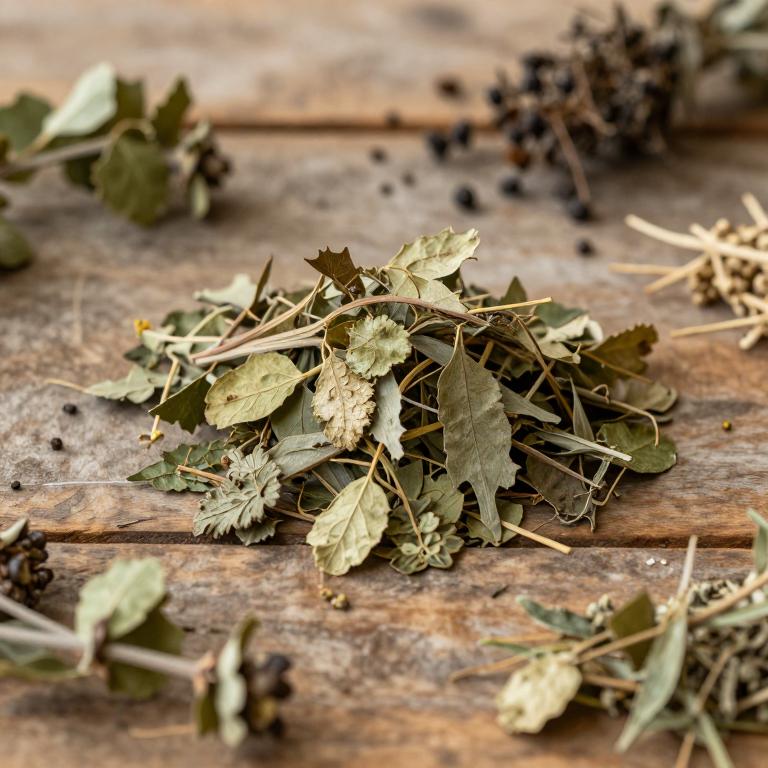
- Synonyms
- Urtica Ficifolia · Urtica Sycophylla
- Common names
- Not available
- Family
- Not available
- Distribution
- Not available
- Plant Parts
- Not available
Classification
Synonyms
Obetia ficifolia is a botanical species that has been documented under several different scientific names throughout history. In various taxonomic records, it is recognized by the synonym Urtica ficifolia. Additionally, the plant is frequently identified by the alternative name Urtica sycophylla in older literature. These overlapping designations highlight the complex nature of botanical classification and nomenclature. Understanding these relationships is essential for researchers seeking to accurately identify the species across different studies.
Sources: The World Checklist of Vascular Plants (WCVP)
Distribution
Geographic Regions
Obetia ficifolia is a distinct botanical species with a specialized geographic footprint. Its natural distribution spans across the African continent and reaches into the Western Indian Ocean. Specifically, this plant can be found thriving within the unique environments of Rodrigues. It also maintains a presence on the island of Réunion, highlighting its regional importance. These interconnected locations define the specific ecological range where the species flourishes.
Sources: The World Checklist of Vascular Plants (WCVP)
Identification
Morphology
Obetia ficifolia is a species characterized by its distinct growth form as a tree.
Sources: Global Inventory of Floras and Traits (GIFT)
Biological Activities
Obetia ficifolia stands out as a notable example of the medicinal potential found within the diverse flora of the Mascarene Islands. This specific plant has demonstrated significant antiviral activity, particularly in its effectiveness against the herpes virus. Along with other indigenous species, it contributes to a rich botanical landscape that offers promising alternatives to traditional antiviral drugs. Researchers are increasingly looking toward such endemic plants to combat the rising challenge of viral resistance. Ultimately, the inclusion of Obetia ficifolia in these studies highlights the vital role that Mascarene biodiversity plays in modern drug discovery.
Compounds
Conditions
Obetia ficifolia demonstrates significant antiviral activity specifically targeting the herpes virus. This endemic plant from the Mascarene Islands exhibits a selectivity index of 18.5 against this particular viral infection. Its effectiveness positions it as a promising natural candidate for the development of new antiviral treatments. The research highlights its ability to inhibit viral replication while maintaining therapeutic potential. Consequently, this species serves as a key example of the medicinal value found within the region's flora.