Nitraria
Nitraria · Accepted scientific name
Scientific literature: Very Sparse (0 studies) · ★☆☆☆☆
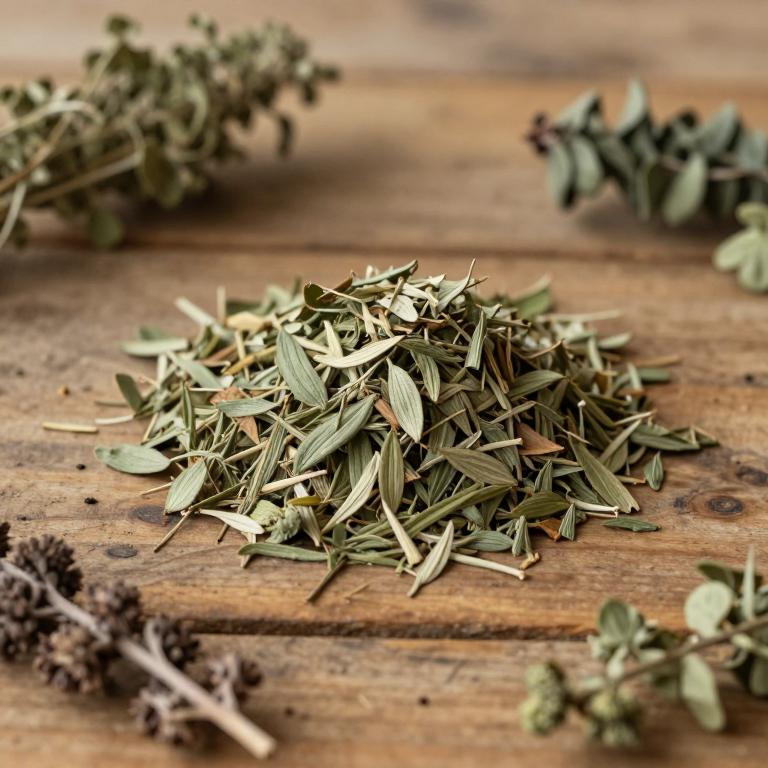
Nitraria is a genus of resilient, shrubby plants that are widely distributed across various arid and semi-arid regions. These hardy species are well-adapted to harsh environments, often playing a crucial role in stabilizing soil and providing habitat for local wildlife. Interestingly, certain studies have explored the potential medicinal properties of these plants, particularly regarding their biological effects. Some research suggests that extracts from these shrubs may influence glucose metabolism, making them a subject of interest in managing hypoglycemic conditions. Understanding the complex chemical makeup of Nitraria is essential for unlocking its full therapeutic potential.
- Synonyms
- Not available
- Common names
- Not available
- Family
- Nitrariaceae
- Distribution
- Not available
- Plant Parts
- Not available
Classification
Common Names
Nitraria is a botanical genus that is recognized by several different common names depending on the region and language. It is frequently referred to as nitre bushes or nitre-bushes in various English-speaking contexts. In certain specialized texts, you may also encounter the name nitrária or even the accented version, nitrària. Furthermore, the genus is sometimes identified by its Greek transliteration, Νιτράρια. Understanding these diverse naming conventions is essential for anyone studying the various linguistic identities of this plant.
Sources: Catalogue of Life (COL)
Taxonomy
Nitraria is a fascinating organism that belongs to the kingdom Plantae. Within this vast biological realm, it is specifically classified under the class Equisetopsida. The plant is further organized into the order Sapindales, showcasing its distinct evolutionary lineage. It also holds a unique place within the family Nitrariaceae, which distinguishes it from other botanical groups. Ultimately, this group is defined by its membership in the genus Nitraria.
| Rank | Classification |
|---|---|
| Kingdom | Plantae |
| Phylum | Streptophyta |
| Class | Equisetopsida |
| Subclass | Magnoliidae |
| Order | Sapindales |
| Family | Nitrariaceae |
| Genus | Nitraria |
Sources: The World Checklist of Vascular Plants (WCVP)
Distribution
Geographic Regions
Nitraria displays a broad geographical range that spans across Africa and the Macaronesia region, including the Canary Islands. Within the African continent, its presence is particularly notable throughout Northeast Tropical Africa, specifically within the Sudan-South Sudan region. The plant is also well-established across Northern Africa, making significant appearances in several key territories. It can be found growing throughout Algeria and Egypt, flourishing in their unique environmental conditions. Furthermore, its distribution extends into Libya, solidifying its footprint across the North African landscape.
Sources: The World Checklist of Vascular Plants (WCVP)
Identification
Biological Activities
Compounds
Conditions
Nitraria extracts demonstrate significant therapeutic potential through their anti-mutagenic properties. These plants also provide essential anti-oxidative activities to combat cellular stress. Furthermore, the genus is recognized for its ability to exert antifatigue effects on the body. The medicinal profile of Nitraria is further strengthened by its proven antimicrobial capabilities. Finally, the plant exhibits antiproliferative effects that contribute to its diverse pharmacological benefits.