Neurolaena macrocephala
Neurolaena macrocephala · Accepted scientific name
Scientific literature: Very Sparse (0 studies) · ★☆☆☆☆
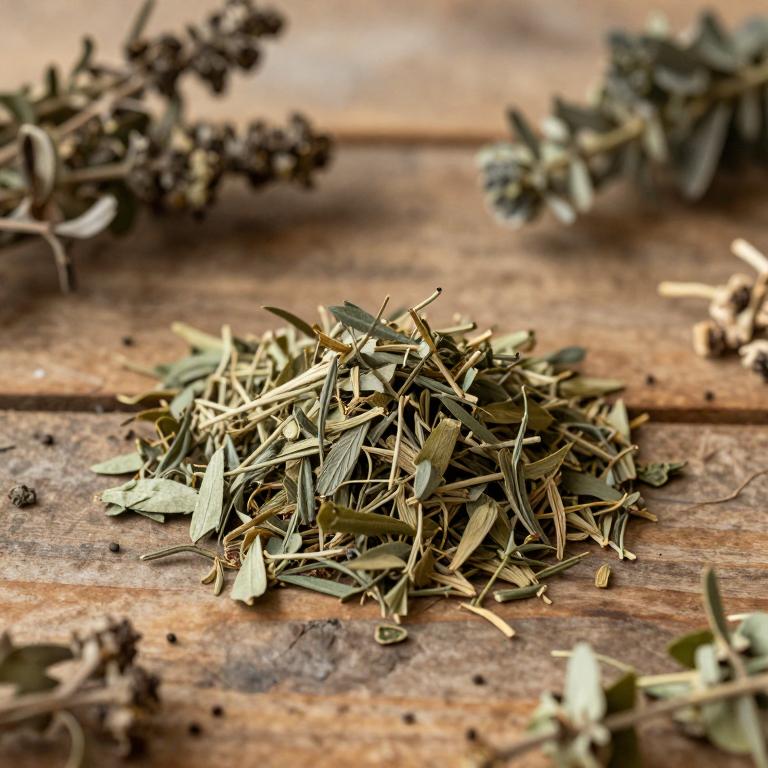
Neurolaena macrocephala is a distinctive botanical species often recognized for its unique morphological characteristics. Among its various components, the leaves serve as a primary focus for both scientific study and traditional applications. When prepared as specific leaf preparations, this plant offers a wealth of interesting biological properties. Understanding the structure and utility of these leaves is essential for anyone studying its medicinal or ecological potential. Consequently, exploring the various uses of its foliage provides deeper insight into the plant's overall significance.
- Synonyms
- Not available
- Common names
- Not available
- Family
- Asteraceae
- Distribution
- Not available
- Plant Parts
- Leaf
Classification
Common Names
Neurolaena macrocephala is a distinctive plant commonly referred to by the name copalillo. This species is widely recognized in various regions for its unique botanical characteristics and medicinal potential. Many local communities value the plant, integrating it into traditional practices and folk remedies. Understanding its common nomenclature helps researchers and enthusiasts identify it more easily in the wild. Ultimately, the relationship between its scientific classification and its popular name highlights its cultural significance.
Sources: Catalogue of Life (COL)
Taxonomy
Neurolaena macrocephala is a distinctive botanical specimen that belongs to the kingdom Plantae. Within this vast kingdom, the plant is classified under the class Equisetopsida. It further falls into the order Asterales, showcasing its specific evolutionary lineage. This species is a member of the genus Neurolaena, which helps scientists pinpoint its unique characteristics. Finally, it is nested within the diverse family Asteraceae, connecting it to a wide array of related flowering plants.
| Rank | Classification |
|---|---|
| Kingdom | Plantae |
| Phylum | Streptophyta |
| Class | Equisetopsida |
| Subclass | Magnoliidae |
| Order | Asterales |
| Family | Asteraceae |
| Genus | Neurolaena |
Sources: The World Checklist of Vascular Plants (WCVP)
Distribution
Geographic Regions
Neurolaena macrocephala exhibits a specific geographic range that spans significant portions of North America. This plant is notably found throughout various regions of Mexico, extending its reach into the coastal areas of the Mexico Gulf. Additionally, its distribution encompasses the diverse landscapes of the Mexico Southwest. By occupying these interconnected territories, the species maintains a presence across both maritime and arid environments. Understanding these patterns helps researchers better grasp the ecological footprint of this particular plant.
Sources: The World Checklist of Vascular Plants (WCVP)
Identification
Morphology
Neurolaena macrocephala is characterized by its distinct growth form as a shrub.
Sources: Global Inventory of Floras and Traits (GIFT)
Biological Activities
Compounds
Conditions
Preparations
Neurolaena macrocephala is prepared as leaves for the isolation of various chemical compounds. These specific leaves serve as the source for six sesquiterpene lactones, including two newly discovered substances. Through this leaf preparation, researchers identified the furanoheliangolide 6 for the first time in nature. The phytochemical study focuses on these extracted components to discuss their chemotaxonomic importance. Consequently, the leaf material remains the essential medium for analyzing the plant's unique chemical profile.
Parts used
Neurolaena macrocephala serves as a significant botanical subject for the study of specialized secondary metabolites. Recent chemical investigations have focused specifically on the leaves of this Mexican Asteraceae species to isolate complex compounds. Through this research, scientists identified six distinct sesquiterpene lactones, including several known varieties and two previously undocumented structures. Notably, the discovery of the furanoheliangolide 6 marks the first time this specific compound has been found in nature. These findings regarding the plant's leaf chemistry provide essential data for understanding its broader chemotaxonomic importance.